There are places in Arunachal Pradesh where the destination is beautiful.
And then there are places where the journey itself becomes the destination.
Mago, Chuna Valley and Gongkar La belong to the second category.
Hidden deep in the highlands of Tawang district, Arunachal Pradesh, this remote route takes travellers away from the familiar Tawang sightseeing circuit and into a landscape of enormous mountains, isolated valleys, rough mountain roads and high-altitude wilderness. At the heart of this journey is Gongkar La, a high mountain pass associated with the spectacular Gongkar La Lake, with recent travel reports placing the pass at approximately 15,600 feet above sea level. Unlike destinations such as Tawang Monastery, Sela Pass or Madhuri Lake, Mago–Chuna–Gongkar La is not a conventional sightseeing excursion.
It is remote.
It is weather-dependent.
The roads can be challenging.
Connectivity can be limited.
And access to sensitive areas can depend on current local and security conditions.
But that is precisely what makes this journey so fascinating.
If you are searching for Mago Chuna Arunachal Pradesh, Gongkar La Lake, Gongkar La Pass, how to reach Gongkar La, Mago Chuna route, places to visit near Tawang, offbeat Arunachal Pradesh or high-altitude destinations near Tawang, this guide will help you understand the route before planning your journey.
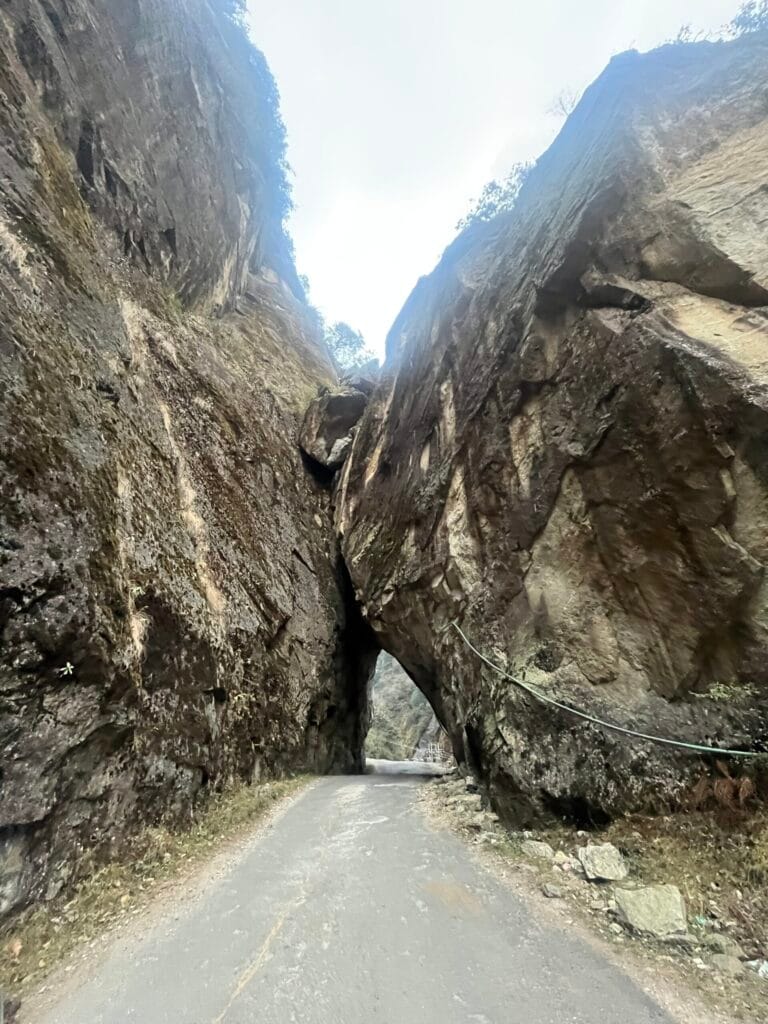
Table of Contents
- What Are Mago, Chuna and Gongkar La?
- Where Is Mago Chuna in Arunachal Pradesh?
- Why Are Travellers Interested in Gongkar La?
- Mago Village – The Beginning of the Adventure
- Chuna Valley – Deeper Into the High Himalayas
- Gongkar La Lake
- Gongkar La Pass
- Best Time to Travel to Mago, Chuna and Gongkar La
- How to Reach Mago Chuna and Gongkar La
- Mago Chuna to Gongkar La Route
- Road Conditions and Vehicle Requirements
- Where to Stay for the Mago–Chuna Valley Trip
- Arunachal Pradesh ILP and Other Permissions
- How Difficult Is the Gongkar La Journey?
- Altitude and Acclimatisation
- What to Carry for Mago Chuna and Gongkar La
- Responsible Travel in a Border Region
- Can You Use Personal Drones for Photography and Videography?
- Bonus: Zemithang Trek and Valley Walk
- Gorsam Chorten
- Kyalengteng Village Walk
- Mago Chuna + Zemithang: A More Complete Tawang Adventure
- Suggested 8-Day Arunachal Itinerary
- Who Should Visit Gongkar La?
- What Makes Mago Chuna Different From the Standard Tawang Trip?
- Mago Chuna vs Gongkar La vs Zemithang
- Author’s Verdict
- Frequently Asked Questions
What Are Mago, Chuna and Gongkar La?
Mago and Chuna are remote settlements and highland areas in the Tawang district of Arunachal Pradesh.The region lies well beyond the more established tourist routes around Tawang and offers a much more isolated Himalayan experience. The journey towards Gongkar La takes travellers through changing landscapes. Lower sections can have greener mountain scenery, while the higher sections become increasingly rugged and exposed. Eventually, the landscape opens into the dramatic high-altitude terrain around Gongkar La. Recent travel reports describe Gongkar La at approximately 15,600 feet, making it a substantially higher environment than Tawang town itself.
The attraction is therefore not simply one lake or one mountain pass.
It is the combination of:
- Remote Himalayan valleys
- High-altitude landscapes
- Mago and Chuna settlements
- Gongkar La Lake
- Mountain roads
- Dramatic weather
- Sparse infrastructure
- A genuine sense of isolation
This is one of those journeys where the road photographs can be almost as memorable as the destination.
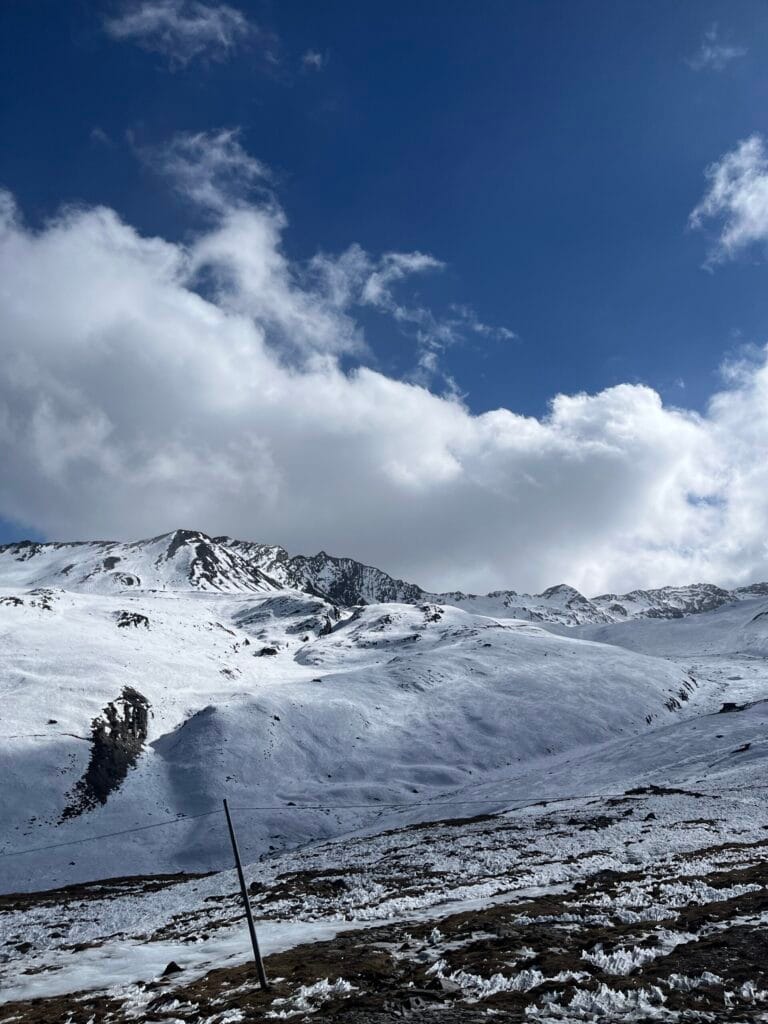
Where Is Mago Chuna in Arunachal Pradesh?
Mago and Chuna are located in Tawang district in western Arunachal Pradesh. Mago Chuna is one of the more remote destinations to explore near Tawang, taking travellers beyond the standard Tawang sightseeing circuit. Tawang itself sits at approximately 10,000 feet and is already surrounded by some of the most spectacular mountain landscapes in the state. Mago and Chuna take travellers farther into the highlands. The region is also strategically sensitive because of its proximity to the international border. That makes one point extremely important:
The fact that a route appears on a map or has been travelled by someone online does not automatically mean that the route is open to every visitor.
Road access, check-post procedures and local restrictions can change.
Therefore, travellers should verify the latest situation locally before attempting the journey.
Experience the Soul of Arunachal – Monasteries, Mountains & Timeless Landscapes
Why Are Travellers Interested in Mago Chuna Vakkey and Gongkar La?
For years, travellers visiting Tawang generally concentrated on destinations such as:
- Tawang Monastery
- Sela Pass
- Sela Lake
- Bum La
- Madhuri Lake
- Nuranang Falls
But adventure travellers increasingly want to explore beyond the conventional circuit.
That is where Mago, Chuna and Gongkar La become interesting.
1. It is genuinely remote
This is not a destination surrounded by restaurants, hotels and souvenir shops.
The limited infrastructure contributes to the feeling of wilderness.
2. The road is part of the experience
The journey involves challenging mountain terrain, making the drive itself an adventure.
Recent first-hand reports describe sections where normal navigation applications may not be sufficient and local knowledge becomes particularly important.
3. Gongkar La sits at extreme altitude
At around 15,600 feet, the environment is dramatically different from the lower valleys.
4. Gongkar La Lake is visually spectacular
The high-altitude lake surrounded by rugged mountains provides one of the major visual highlights of the route.
5. It offers a different Arunachal experience
Instead of visiting only established tourist attractions, travellers experience remote settlements, highland landscapes and a quieter side of Tawang district.
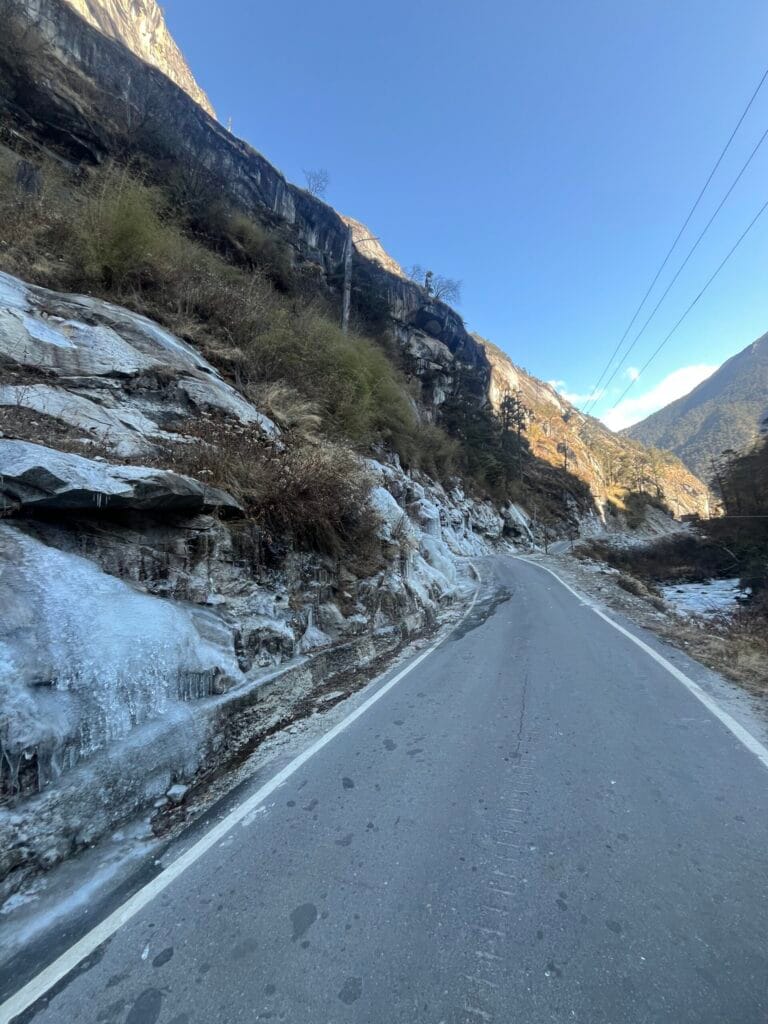
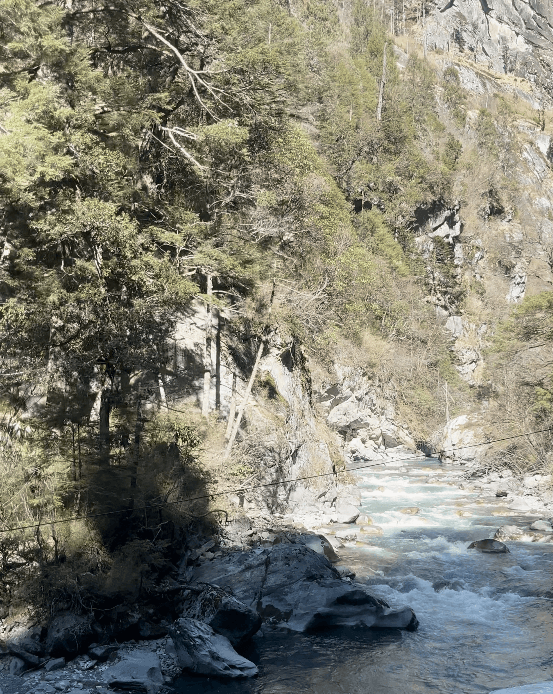
Mago Village – The Beginning of the Adventure
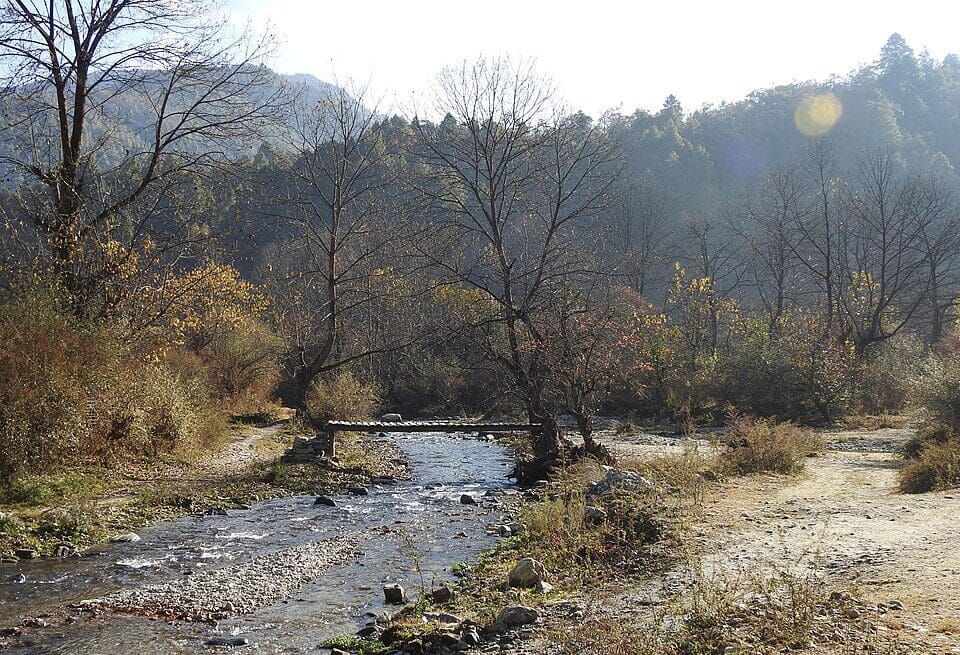
Mago is one of the most interesting settlements in the Tawang highlands.
Recent travel information places Mago at roughly 11,700 feet, although exact elevation figures vary by source and reference point.
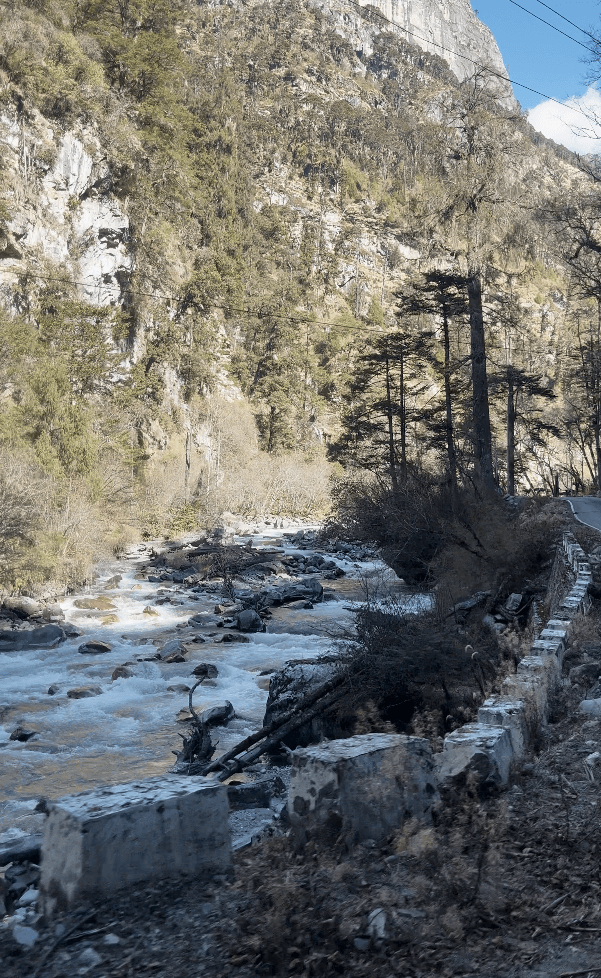
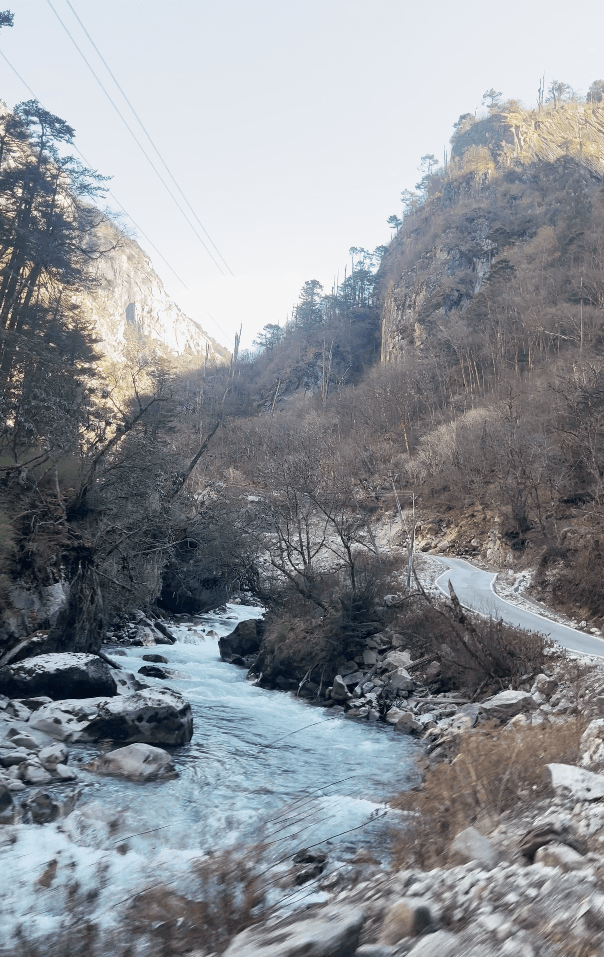
The journey towards Mago already feels different from the conventional Tawang circuit. The landscape becomes quieter. The mountains appear larger. Roads become less predictable. And the number of travellers decreases significantly. Mago is not the sort of place where you should arrive with the mindset of checking a viewpoint off your list. The surrounding landscape deserves time.
Look at the mountains.
Observe the valley.
Watch the weather.
Speak respectfully with local residents.
And understand that this is a living Himalayan region rather than a theme park created for tourism.
Shergaon Arunachal Pradesh: Travel Guide, Places to Visit & Tawang Trip
Chuna Valley – Deeper Into the High Himalayas
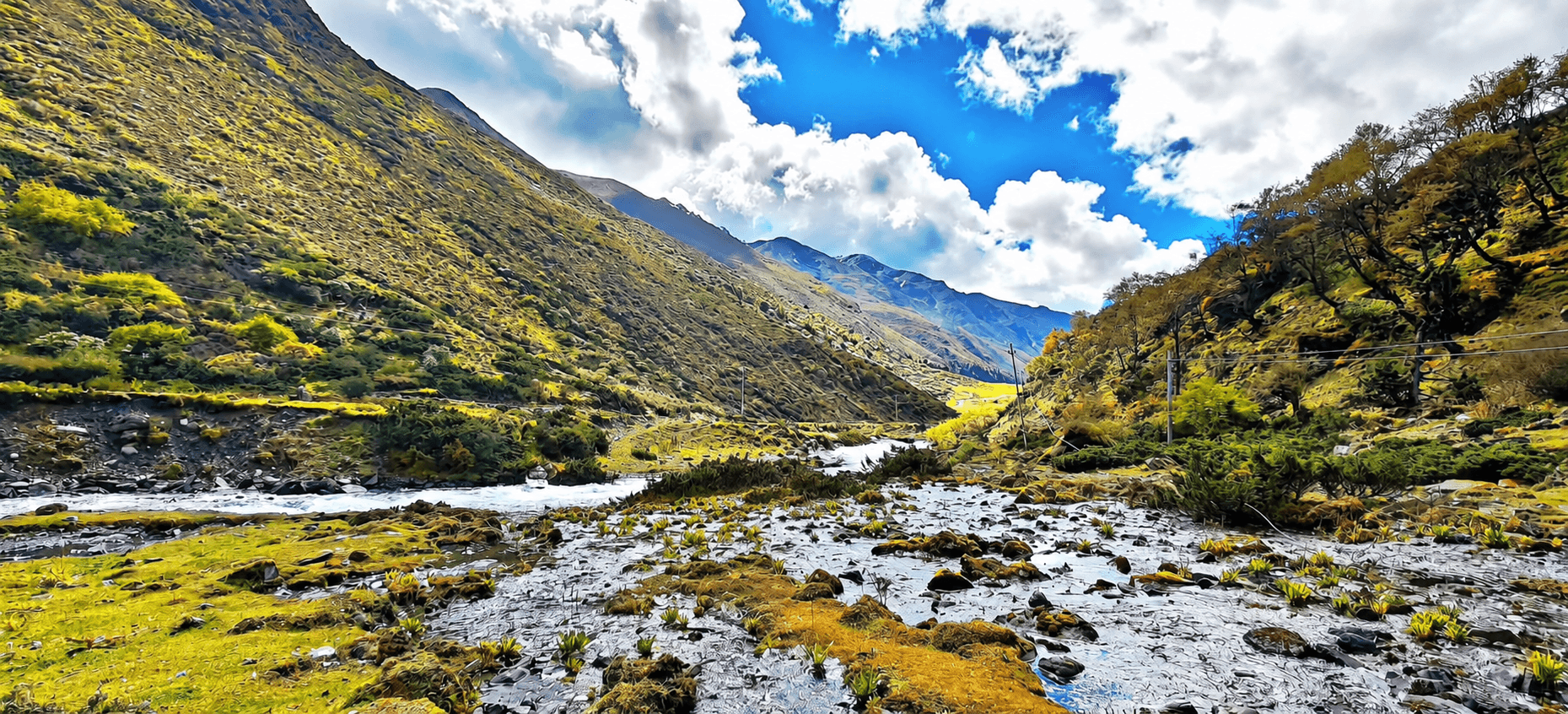
If Mago is the beginning of the remote experience, Chuna Valley takes it further. The landscape becomes increasingly rugged as the route progresses.
Recent accounts of the Mago–Chuna–Gongkar La journey describe rough terrain and difficult off-road sections, particularly as travellers approach the higher Gongkar La area.
This is where travellers should stop thinking in terms of:
“How many kilometres are left?”
Instead, think:
“What are the current road and weather conditions?”
Mountain travel does not always follow the logic of ordinary highways.
A short distance can take considerably longer because of:
- Rough surfaces
- Loose gravel
- Mud
- Water crossings
- Steep gradients
- Narrow roads
- Fog
- Snow
- Landslides
- Road work
- Security checks
The journey therefore requires flexibility.
Gongkar La Lake
The High-Altitude Lake That Makes the Journey Worth Remembering
Gongkar La Lake is the visual centrepiece of the route. Recent travel sources describe it as a high-altitude lake in the remote Mago–Chuna region, close to Gongkar La Pass. What makes the lake special is not just the water.
It is the setting.
The surrounding mountains create a huge natural amphitheatre, while the lack of conventional tourist infrastructure gives the landscape a raw and almost untouched appearance.
Unlike some popular Himalayan lakes where visitors arrive by the busload, Gongkar La Lake remains associated with a much more demanding journey.
That remoteness is part of its character.
Gongkar La Pass
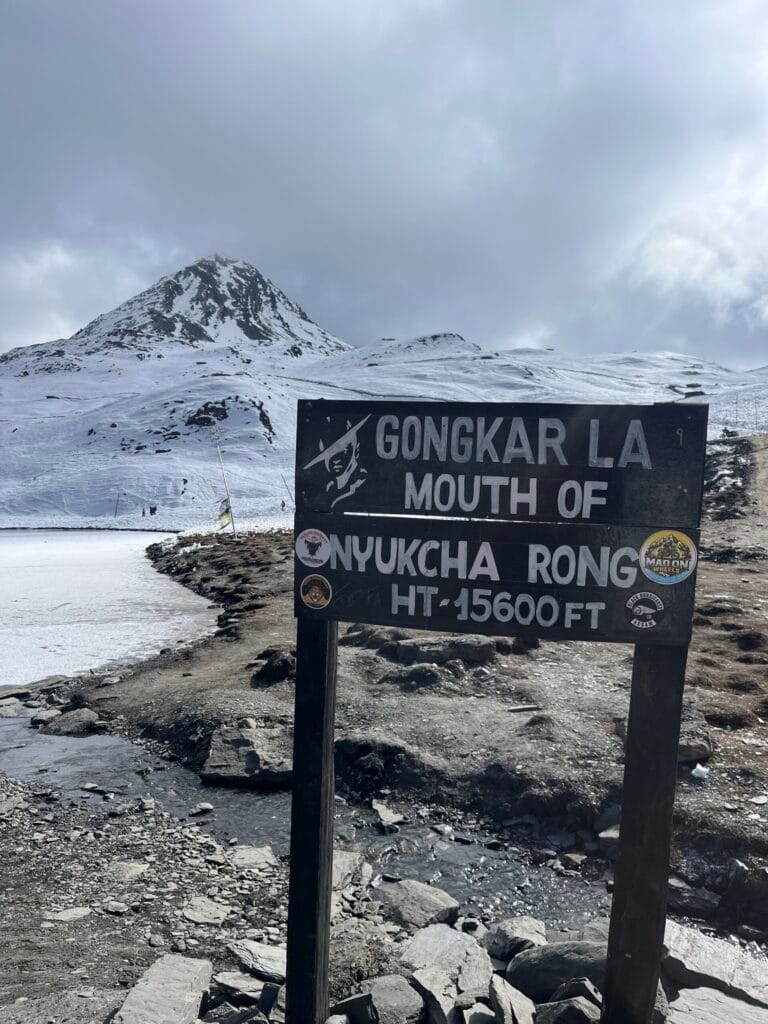
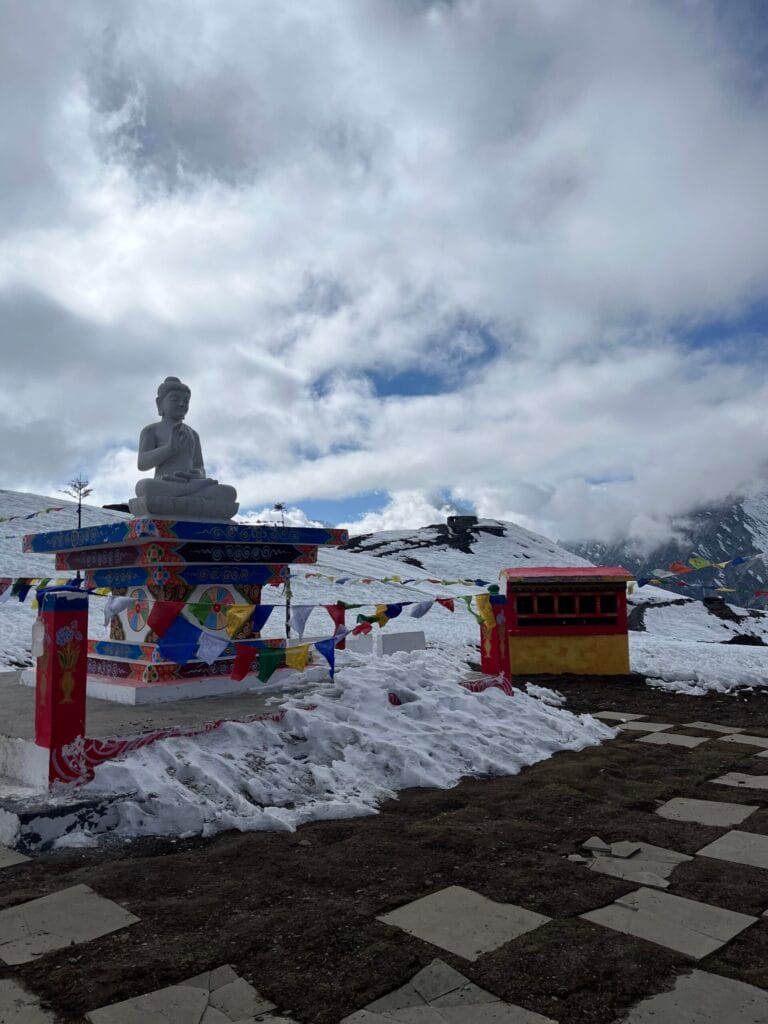
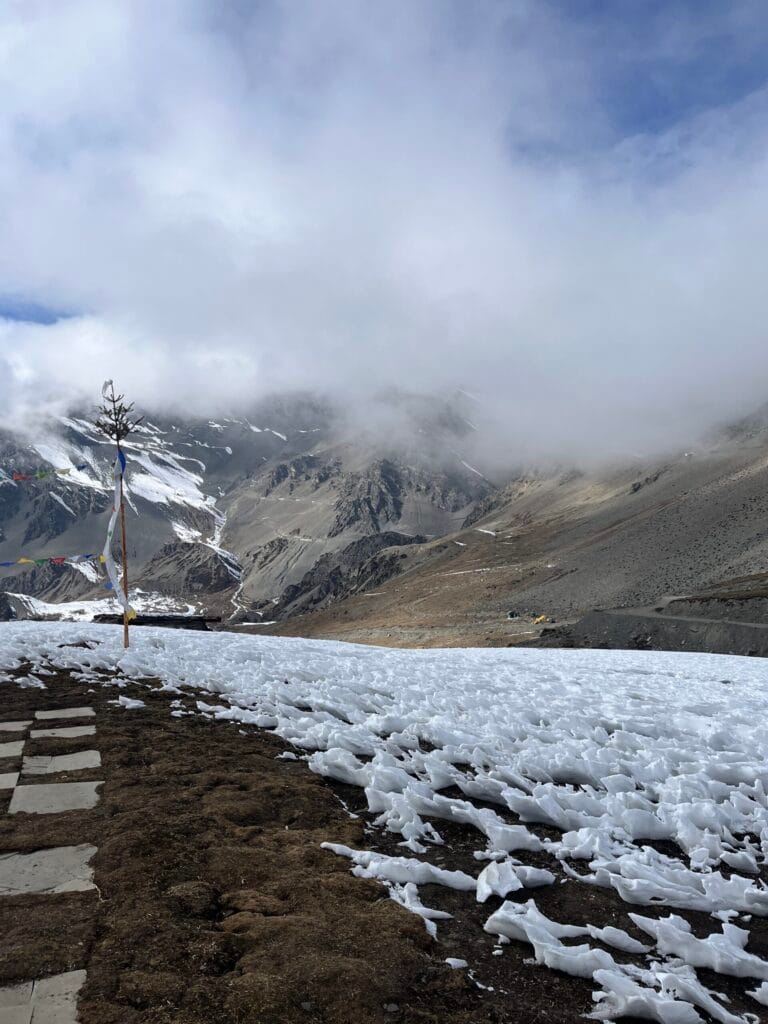
Gongkar La is the highest and most demanding part of the journey. Recent 2026 travel reports place the pass at approximately 15,600 feet above sea level. At this elevation, conditions can change rapidly. A sunny morning can become cloudy, windy or extremely cold. Visibility may also change quickly. This is why Gongkar La should never be treated as a destination where travellers simply arrive, spend five minutes taking photographs and continue without considering the conditions.
The mountains determine the timetable.
Best Time to Travel to Mago, Chuna and Gongkar La
| Season | Months | What to Expect | TripHubGo Recommendation |
|---|---|---|---|
| Spring & Early Summer | March – June | Conditions generally begin improving after winter. Valleys become greener, although snow and difficult conditions may still occur at higher elevations, particularly early in the season. | Good option — check current road and weather conditions before departure. |
| Monsoon | July – August | Heavy rainfall can make mountain roads slippery and increase the possibility of landslides and temporary road blockages. | Not preferred for planning a Mago–Chuna–Gongkar La journey. |
| Autumn | September – November | Generally clearer mountain views and favourable conditions for landscape photography, although weather at high altitude can still change quickly. | Our preferred period for mountain views and photography, subject to local conditions. |
| Winter | December – February | Snow-covered landscapes and freezing temperatures are possible. Heavy snowfall can affect roads and access to high-altitude areas. | Challenging — travel only after confirming current access and conditions. |
Our Suggestion: For the Mago–Chuna–Gongkar La journey, TripHubGo recommends planning around the more stable spring/early-summer or autumn periods, with autumn particularly attractive for mountain views and photography. However, there is no guaranteed travel window for this remote route. Always confirm current road conditions, local access and security instructions before starting the journey.
A useful rule
Never rush a high-altitude route simply because you have a fixed sightseeing schedule. If weather deteriorates, road conditions worsen or local authorities advise against continuing, the itinerary should change.
That is part of responsible mountain travel.
How to Reach Mago Chuna and Gongkar La
For most travellers, Tawang is the practical base for planning an excursion towards Mago and Chuna. The general journey is associated with the Tawang–Jang side before continuing towards Mago and Chuna.
A simplified planning route is:
Tawang → Jang → Mago → Chuna → Gongkar La Lake → Gongkar La
However, this should be considered a planning framework rather than a guaranteed fixed route.
The actual route available on your travel date can depend on:
- Weather
- Road conditions
- Local restrictions
- Security instructions
- Check-post procedures
- Seasonal accessibility
The official Tawang district tourism site currently describes Tawang as being reached via the Bhalukpong–Bomdila–Dirang–Sela–Jang corridor from the Assam side. Therefore, travellers coming from Assam should first plan the broader journey to Tawang and then treat Mago–Chuna–Gongkar La as a separate high-altitude excursion.
Mago Chuna to Gongkar La Route
The route can be understood in stages:
Stage 1: Tawang
Use Tawang as the main accommodation and preparation base.
Stage 2: Jang
The route moves through the spectacular mountain landscape around Jang.
Stage 3: Mago
The journey enters the remote highland region.
Stage 4: Chuna
The terrain becomes increasingly demanding.
Stage 5: Gongkar La Lake
The high-altitude lake becomes one of the major highlights.
Stage 6: Gongkar La
The journey reaches the high mountain pass.
But remember:
The route can change.
Do not copy an old YouTube itinerary exactly.
A video filmed months or years earlier cannot guarantee that the same road, permission or checkpoint arrangement exists today.
Road Conditions and Vehicle Requirements
This is one of the most important parts of the entire article. Mago–Chuna–Gongkar La is not an ordinary hill-road excursion. Recent traveller reports describe difficult terrain, off-road sections and navigation challenges.
What vehicle is suitable?
A high-clearance SUV with an experienced mountain driver is the sensible choice. For particularly difficult sections, capable 4WD/4×4 vehicles may be preferred. But a 4×4 alone does not make the trip safe.
You also need:
- An experienced driver
- Current route information
- Sufficient daylight
- Suitable weather
- Current local permission
- Emergency preparation
What about motorcycles?
Experienced motorcycle travellers do visit remote Arunachal routes. However, this should not be confused with saying that the route is suitable for every rider. Loose surfaces, steep gradients, high altitude, cold temperatures and remoteness increase the consequences of a mechanical problem or accident. If you are inexperienced with high-altitude off-road riding, local guidance is particularly valuable.
| Season | What to Expect | Travel Considerations |
|---|---|---|
| Spring | Road conditions may gradually improve after winter, while the landscape begins to come alive. | Higher sections can still have snow, and some routes may remain difficult. |
| Summer | Lower valleys become greener and more vibrant, offering beautiful mountain scenery. | Rain can make mountain roads difficult and increase the risk of landslides. |
| Autumn | Clearer skies can provide excellent mountain visibility and dramatic photography conditions. | Weather can still change quickly at high altitude, so check current conditions before travelling. |
| Winter | Snow-covered landscapes create a spectacular Himalayan setting. | Freezing temperatures, heavy snowfall and road closures can make access significantly more difficult. |
Our practical advice
Before travelling, confirm:
- Road status
- Weather forecast
- Snow conditions
- Local access
- Security instructions
- Vehicle suitability
The Tawang district tourism site currently identifies September–November as a period with clearer skies and sharper mountain views for the wider Tawang region, while also noting that winter can bring heavy snowfall and occasional pass closures.
Where to stay for Mago-Chuna Valley trip
Accommodation options become limited as you move towards the remote Mago–Chuna Valley, so choosing the right base can make a significant difference to the journey.
Our suggestion: Stay in Jung before heading towards Mago–Chuna. For travellers planning this excursion, Jung can be a more practical base than staying in Tawang, particularly when the aim is to make an early start towards the Mago–Chuna region. Staying closer to the route can help reduce unnecessary backtracking and give you more flexibility on the day of the excursion.
Tawang remains a useful option if you want a wider choice of hotels, restaurants and other facilities, or if you are combining the Mago–Chuna journey with several days of sightseeing around Tawang.
If your itinerary also includes Zemithang, consider staying overnight there rather than trying to return to Tawang after a full day of exploration. Accommodation in and around Zemithang is more limited, so it is advisable to confirm your stay in advance.
Recommended Stay Pattern
- Jung: Our recommended base for the Mago–Chuna excursion, particularly if you want an earlier start and less backtracking.
- Tawang: A good alternative if you want more accommodation choices and plan to spend additional time exploring Tawang.
- Zemithang: Consider an overnight stay when exploring the valley and nearby attractions.
- Mago–Chuna: Do not plan on relying on standard hotel accommodation within the remote valley.
Because road conditions, access and local restrictions can change, confirm your accommodation, route and the latest local information before beginning the journey.
Arunachal Pradesh ILP and Other Permissions
Indian citizens visiting Arunachal Pradesh require an Inner Line Permit (ILP). The official Arunachal Pradesh eILP portal currently states that tourist eILP is applicable to Indian citizens and allows a tourist stay of up to 14 days. Foreign nationals follow a different permission process, including the applicable PAP/RAP requirements.
But there is an important distinction
Having an Arunachal Pradesh ILP does not automatically mean that every sensitive border-area road is open to you. Additional local or security procedures may apply depending on the destination.This is particularly relevant for the Mago–Chuna–Gongkar La region.
Before starting the trip
Carry:
- ILP / applicable permit
- Government identification
- Vehicle documents
- Driver details
- Accommodation details
- Emergency contacts
- Physical copies of important documents
And follow instructions at every checkpoint.
How Difficult Is the Gongkar La Journey?
It is useful to think of the route in terms of difficulty rather than distance.
| Section | General Character |
|---|---|
| Tawang | Established tourist base |
| Jang | Mountain road |
| Mago | Remote highland travel |
| Chuna | More demanding terrain |
| Gongkar La Lake | High-altitude adventure |
| Gongkar La | High-altitude, difficult |
The difficulty comes from several factors at once.
Altitude
The route climbs to approximately 15,600 ft.
Isolation
There may be long stretches without conventional tourist infrastructure.
Weather
Mountain weather can change rapidly.
Roads
Sections can be rough and difficult.
Connectivity
Mobile coverage cannot be assumed.
Emergency support
You should not expect the same emergency infrastructure available in a major tourist town.
For these reasons, this route is better suited to travellers who understand that remote travel requires preparation and flexibility.
Altitude and Acclimatisation
Altitude deserves serious attention. Tawang itself is already at approximately 10,000 feet, while Gongkar La is considerably higher. Do not treat the trip as though you are simply driving from one normal tourist attraction to another. Give your body time to adjust. If you develop significant altitude-related symptoms, do not simply push higher because the itinerary says you should. Seek appropriate local/medical advice and descend if necessary. The Tawang district administration has also issued tourist advisories highlighting the high altitude of destinations around Tawang and recommending caution when travelling to higher areas.
What to Carry for Mago Chuna and Gongkar La
Pack more carefully than you would for an ordinary Tawang sightseeing day.
Clothing
- Thermal innerwear
- Warm jacket
- Windproof/waterproof outer layer
- Gloves
- Woollen socks
- Warm cap
- Sunglasses
- Comfortable shoes
Food and water
Carry sufficient drinking water and packed food. Do not assume that food will be available whenever you need it.
Technology
- Fully charged phone
- Power bank
- Torch
- Camera batteries
- Memory cards
- Offline maps where possible
Vehicle-related items
If travelling independently, consider:
- Spare tyre
- Tyre inflator
- Basic tools
- Tow rope
- Recovery equipment
Your driver should be familiar with the vehicle and mountain terrain.
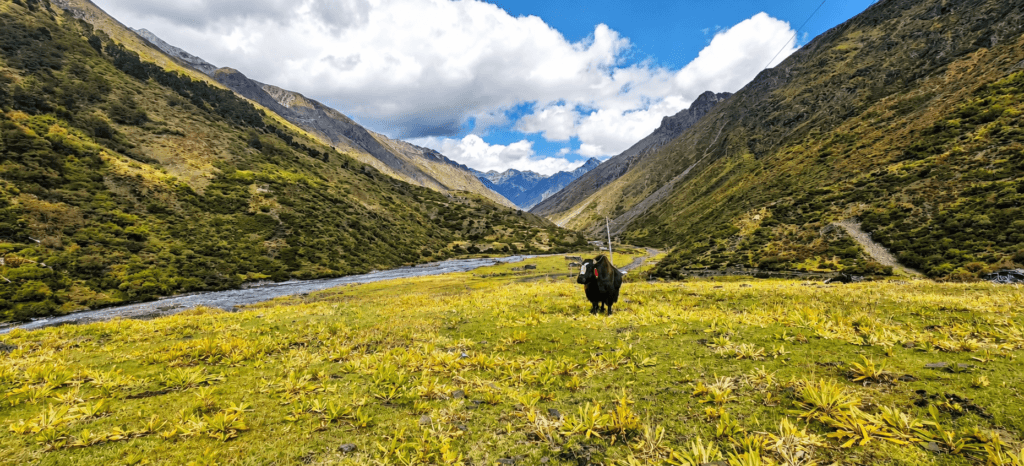
The lower sections around Mago and Chuna can provide a completely different visual character from Gongkar La.
Responsible Travel in a Border Region
Mago and Chuna are not merely scenic destinations. They are living communities located in a strategically sensitive region. That means responsible travel is particularly important.
Can you use personal drones for photography videography?‘
You may be able to use a personal drone for photography or videography in Arunachal Pradesh, but do not assume that you can fly a drone at Mago, Chuna or Gongkar La simply because you own one.
Drone operations in India are subject to designated airspace restrictions. The Digital Sky framework identifies different airspace zones, including green, yellow and red zones, with additional permissions or restrictions depending on the location.
Mago–Chuna and Gongkar La are located in a remote and strategically sensitive border region. For this reason, travellers should take extra care and follow any instructions issued by local authorities or security personnel.
Our Suggestion
TripHubGo recommends avoiding recreational drone flights in the Mago–Chuna–Gongkar La region unless you have confirmed that the flight is permitted and obtained any permissions required for the exact location.
Before carrying or launching a drone, check the current Digital Sky airspace information for the exact area and confirm the latest local restrictions. Do not fly near military or other restricted installations, and do not record areas that authorities have instructed you not to photograph or film.
Also remember that an area that was accessible for drone filming on a previous trip may not necessarily be permitted when you visit. Airspace restrictions and local security instructions can change.
If you are travelling to Mago–Chuna specifically to create professional footage for TripHubGo, treat drone filming as a separate permission and compliance issue rather than assuming that recreational drone rules automatically cover professional photography or videography.
Our advice is simple: when in doubt, keep the drone packed away and enjoy the landscape from the ground. The Mago–Chuna route offers more than enough opportunities for landscape photography without putting yourself or your equipment in a difficult situation.OID THE DRONE IN THESE AREAS SIMPLY BECAUSE THEY ARE ADJASCENT TO INDO-CHINE BORDER.
Do:
- Respect local residents
- Ask before photographing people
- Follow checkpoint instructions
- Carry your waste back
- Respect religious places
- Support local services
- Listen to your local driver or guide
Avoid:
- Photographing restricted installations
- Entering prohibited areas
- Flying drones where prohibited
- Littering
- Disturbing wildlife
- Treating local communities as photo props
The best travel story is one where the landscape remains beautiful after you leave.
Bonus: Zemithang Trek and Valley Walk
A Different Side of the Tawang Region
If Mago and Gongkar La represent the high-altitude adventure side of Tawang, Zemithang offers something completely different.
Here the experience revolves around:
- Himalayan valleys
- Monpa culture
- Traditional villages
- Buddhist heritage
- Gorsam Chorten
- River landscapes
- Walking experiences
Zemithang is a remote valley in Tawang district, and current local tourism information describes walking experiences around Kyalengteng Village and Dung Village.
Important clarification
The journey from Tawang to Zemithang is primarily a road journey. It should not be marketed as one continuous “Tawang to Zemithang trek.” Instead, think of it as: Tawang → Zemithang road journey + village/valley walking experience
That is more accurate and also gives travellers a clearer expectation.
Gorsam Chorten
One of the major cultural attractions in Zemithang is Gorsam Chorten.
The stupa is an important part of the valley’s Buddhist landscape, and current local tourism information describes it as a 13th-century stupa associated with the area’s spiritual heritage. For travellers, it offers an excellent opportunity to slow down after the demanding mountain roads.
Kyalengteng Village Walk
One of the most interesting ways to experience Zemithang is on foot.
The Kyalengteng Village walking experience currently promoted locally includes:
Gorsam Chorten → Kyalengteng Village → Dung Village
The walk combines village architecture, local stories, photography and Himalayan scenery.
This is exactly the kind of experience that can make an Arunachal trip more memorable than simply collecting viewpoints.
Mago Chuna + Zemithang: A More Complete Tawang Adventure
One of the most interesting ways to build an extended Tawang trip is to combine two very different experiences.
Mago–Chuna–Gongkar La
Adventure + altitude + rugged landscapes
Zemithang
Culture + valley + villages + walking
The contrast makes the itinerary more interesting.
One day you can be travelling through high-altitude mountain terrain. Another day you can be walking through a quiet Monpa village.
Suggested 8-Day Arunachal Itinerary
8-Day Mago Chuna, Gongkar La & Zemithang Itinerary
A flexible high-altitude journey through Dirang, Tawang, Mago–Chuna, Gongkar La and Zemithang.
Guwahati to Dirang
Travel towards western Arunachal Pradesh, gradually entering the Himalayan landscape.
Overnight: Dirang
Dirang to Tawang
Travel through the spectacular Sela region towards Tawang, with changing landscapes and increasingly dramatic mountain scenery.
Explore Tawang
Spend the day exploring Tawang’s major cultural and natural attractions while allowing time to rest before the more remote part of the journey.
Tawang — Preparation Day
Use the day to confirm current conditions, permits, vehicle arrangements and the latest local information for the Mago–Chuna route.
Mago, Chuna & Gongkar La
Start early and travel towards the Mago–Chuna region.
Continue towards Gongkar La only if current road conditions, weather, access and local instructions permit.
Return / Buffer Day
Keep this day flexible.
This is extremely important.
Do not create an itinerary where you absolutely must return to Tawang
at a specific hour after a difficult high-altitude excursion. Weather,
road conditions, vehicle movement and access restrictions can affect
travel time.
Zemithang
Travel towards Zemithang and explore this remote Himalayan valley.
Visit Gorsam Chorten and explore the surrounding valley.
If conditions permit, add a village walking experience to experience the landscape and local surroundings at a slower pace.
Return Towards Dirang / Onward Journey
Begin the return journey towards Dirang and continue onward according to your travel plans.
Travel note: This itinerary is a suggested framework, not a fixed schedule. Mago, Chuna and Gongkar La are remote high-altitude areas where weather, road conditions, security instructions and local access can change. Build flexibility into your plans and confirm conditions locally before travelling.
7 Days Majestic Trip to North East
Who Should Visit Gongkar La?
Mago–Chuna–Gongkar La is particularly interesting for travellers who enjoy:
- Remote destinations
- Mountain road trips
- Photography
- High-altitude landscapes
- Adventure travel
- Offbeat Arunachal Pradesh
- Motorcycle journeys
- 4×4 expeditions
- Exploring places beyond the normal tourist circuit
It may not suit travellers who prefer:
- Luxury infrastructure
- Easy roads
- Guaranteed mobile connectivity
- Short sightseeing stops
- Fixed schedules with little flexibility
The important thing is to understand what you are signing up for.
What Makes Mago Chuna Different From the Standard Tawang Trip?
A conventional Tawang trip can already be spectacular.
But Mago and Chuna change the character of the journey.
Standard Tawang experience
Monasteries → lakes → waterfalls → viewpoints → established tourist routes
Mago–Chuna experience
Remote villages → mountain roads → high-altitude terrain → limited infrastructure → Gongkar La
Neither experience needs to replace the other.
In fact, combining them can create a much more complete Arunachal journey.
Mago Chuna vs Gongkar La vs Zemithang
| Destination | Main Experience | Difficulty | Best For |
|---|---|---|---|
| Mago | Remote Himalayan village | Moderate | Culture + landscapes |
| Chuna | Remote valley + mountain terrain | Moderate–Difficult | Adventure |
| Gongkar La Lake | High-altitude lake | Difficult | Photography + adventure |
| Gongkar La | High mountain pass | Difficult | High-altitude experience |
| Zemithang | Valley + culture | Easy–Moderate | Culture + slow travel |
| Gorsam Chorten | Buddhist heritage | Easy | Culture + photography |
| Kyalengteng | Village walking | Easy–Moderate | Walking + local life |
Author’s Verdict
Mago, Chuna and Gongkar La are not destinations that should be added to a Tawang itinerary simply because they are currently appearing more frequently in travel videos.
Their real attraction is much deeper.
This is a journey into a less-developed, high-altitude side of Arunachal Pradesh where the road, weather, landscape and remoteness become part of the experience.
Gongkar La Lake is undoubtedly the visual highlight. But if you ask me what makes the journey memorable, it is not just the lake. It is the gradual transformation of the landscape. The quieter roads. The remote settlements. The feeling of travelling deeper into the mountains. The sudden appearance of enormous Himalayan ridges. And finally, the high-altitude environment around Gongkar La. At the same time, travellers should understand that this remoteness comes with responsibility. You cannot approach Mago–Chuna–Gongkar La like an ordinary sightseeing trip.
Check the current access conditions. Carry the required permits. Use appropriate transport. Allow flexibility. Listen to local instructions. And never compromise safety simply to complete an itinerary.
And if you have another day available, add Zemithang. It gives the journey a completely different dimension. Where Gongkar La is about altitude and rugged wilderness, Zemithang is about valleys, villages, Buddhist heritage and walking through a quieter Himalayan landscape.
The final takeaway?
Don’t visit Mago Chuna and Gongkar La just to say you reached 15,600 feet. Go to experience one of the more remote sides of Arunachal Pradesh. And let the journey be the story.
Frequently Asked Questions
Where is Mago Chuna located?
Mago and Chuna are remote highland areas in Tawang district, Arunachal Pradesh.
How high is Gongkar La?
Recent 2026 travel reports place Gongkar La at approximately 15,600 feet above sea level.
What is Gongkar La famous for?
Gongkar La is known for its high-altitude Himalayan landscape and the nearby Gongkar La Lake, making it an interesting destination for adventure travellers.
How do I reach Gongkar La from Tawang?
The commonly reported approach is through the Tawang/Jang side towards Mago and Chuna before continuing towards Gongkar La. Exact access can change according to current road and security conditions.
Is Gongkar La open to tourists?
Access can depend on current local, road and security conditions. Travellers should verify the latest situation before starting the journey.
Do I need an ILP for Mago and Chuna?
Indian citizens require an Arunachal Pradesh ILP to enter the state. Additional permissions or local procedures can apply for specific sensitive areas.
Is Gongkar La suitable for a family trip?
The route is considerably more demanding than the normal Tawang sightseeing circuit. Families should carefully consider altitude, road conditions, weather and individual traveller needs before planning it.
Is a 4×4 required for Gongkar La?
A capable high-clearance vehicle is advisable. Recent traveller reports describe challenging off-road sections and difficult terrain.
Is there mobile network at Gongkar La?
Connectivity should not be relied upon in remote sections. Travellers should prepare for periods without mobile coverage.
What is the best time to visit Gongkar La?
There is no universally guaranteed best month because accessibility depends on weather and road conditions. Autumn can provide clearer mountain views, while summer may offer greener valleys.
How far is Zemithang from Tawang?
Zemithang is a remote valley in Tawang district and is generally approached by road from Tawang. Exact journey time and route can vary with road and weather conditions.
Is Zemithang a trekking destination?
Zemithang is primarily reached by road, but travellers can add village and valley walking experiences. The Kyalengteng Village Walk is one example, with an optional hike towards Dung Village.
What can I see in Zemithang?
Major experiences include Gorsam Chorten, Monpa villages, Himalayan valley landscapes, local culture and village walks.
Can I combine Zemithang with Mago Chuna?
Yes, they can be combined within a longer Tawang itinerary, but both should be planned with adequate buffer time rather than trying to rush through them.