
Into the Wild: Exploring Manas, Kaziranga & Nameri
The Complete Assam Wildlife Travel GuideIf you are looking for an unforgettable Assam wildlife tour, few experiences can match the journey through Manas, Kaziranga and Nameri National Parks. Together, these remarkable protected areas showcase the extraordinary diversity of Assam — from vast grasslands and wetlands to dense forests, Himalayan foothills and pristine rivers.Each park offers something completely different. Kaziranga National Park is world-famous for its one-horned rhinoceros and classic jeep safaris. Manas National Park combines spectacular Himalayan scenery with rare and endangered wildlife. Nameri National Park offers a more peaceful experience centred around birds, forests, river adventures and nature walks.For travellers wanting to discover the wildlife of Assam, visiting these three national parks can create one of the most rewarding wildlife circuits in Northeast India.
Manas, Kaziranga & Nameri at a Glance
Manas National Park: Where the Forest Meets the Himalayas
Located in western Assam along the foothills of Bhutan, Manas National Park is one of the most spectacular wildlife destinations in Northeast India. What makes Manas special is not just its remarkable wildlife, but also its diverse landscape, where dense forests, vast grasslands, riverbeds and Himalayan foothills come together to create a unique ecosystem. The distant Bhutanese mountains provide a dramatic backdrop as you explore the park. Manas forms part of the larger Manas Tiger Reserve and shares an important ecological connection with protected forests across the Bhutan border.
Wildlife & Birds Found in Manas
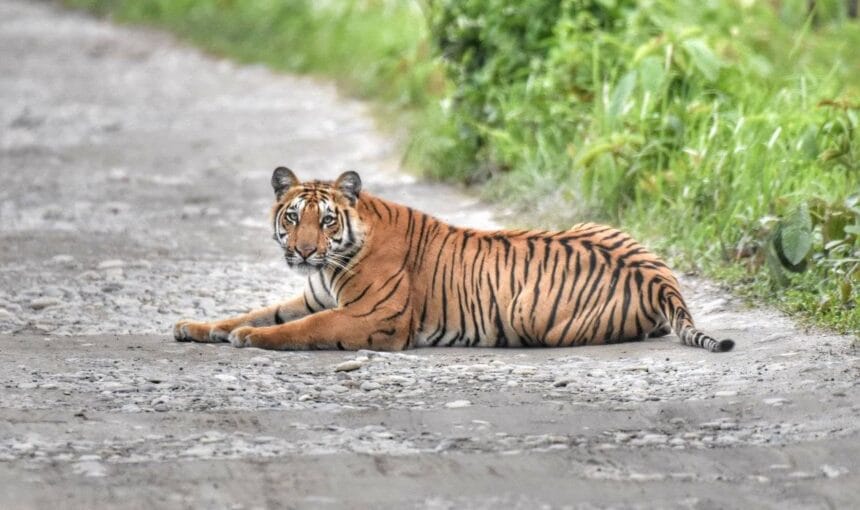
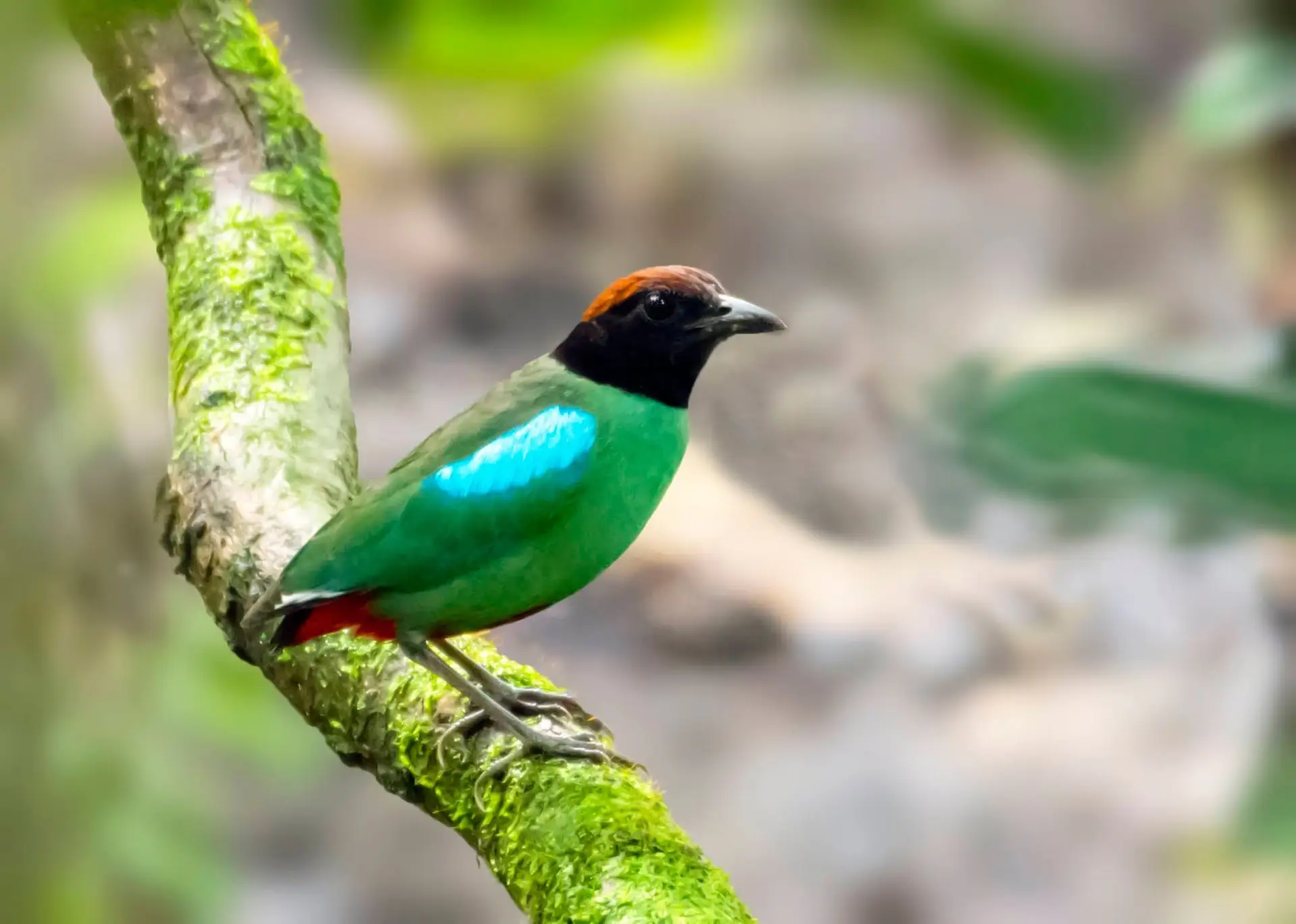
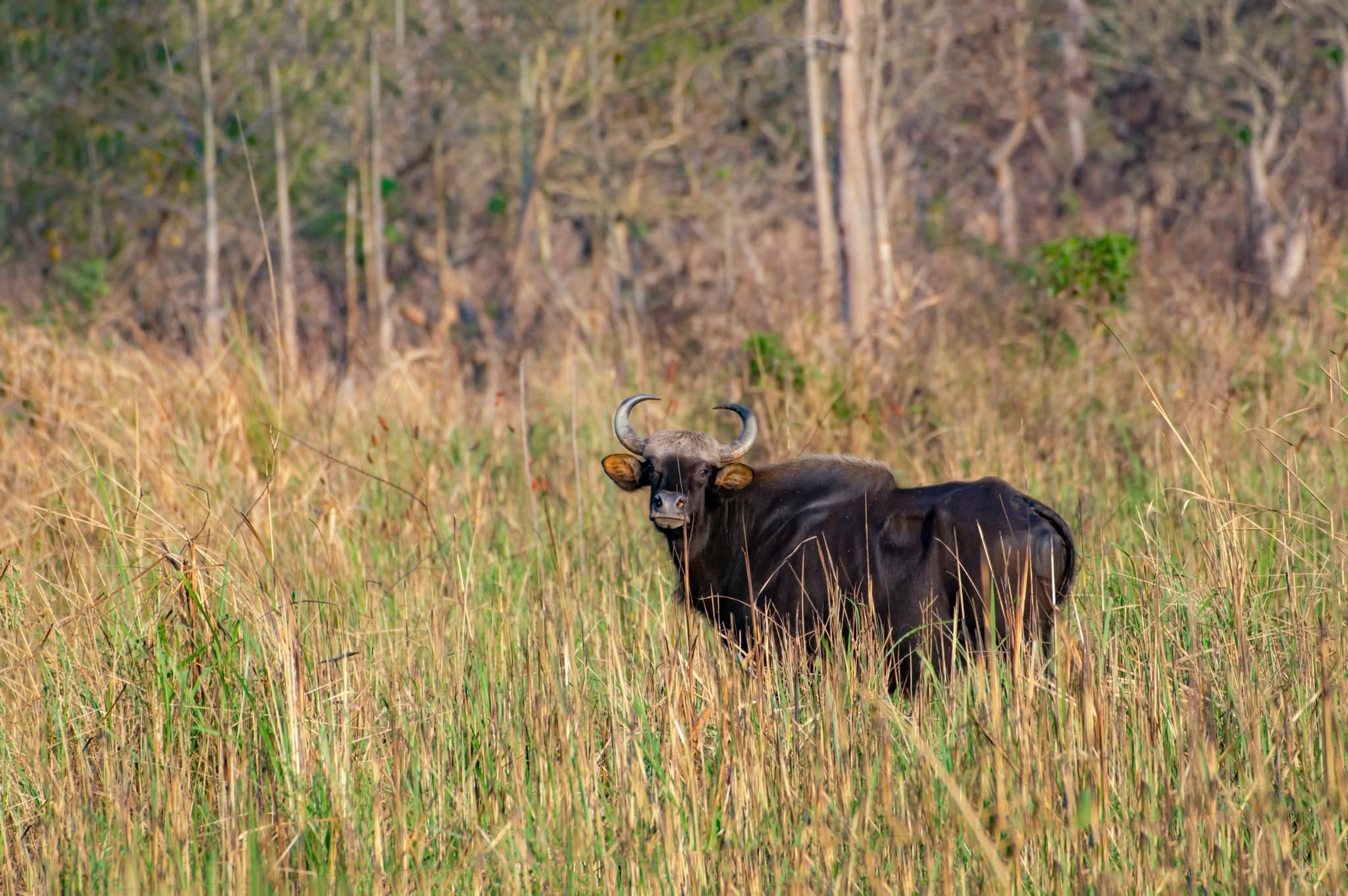
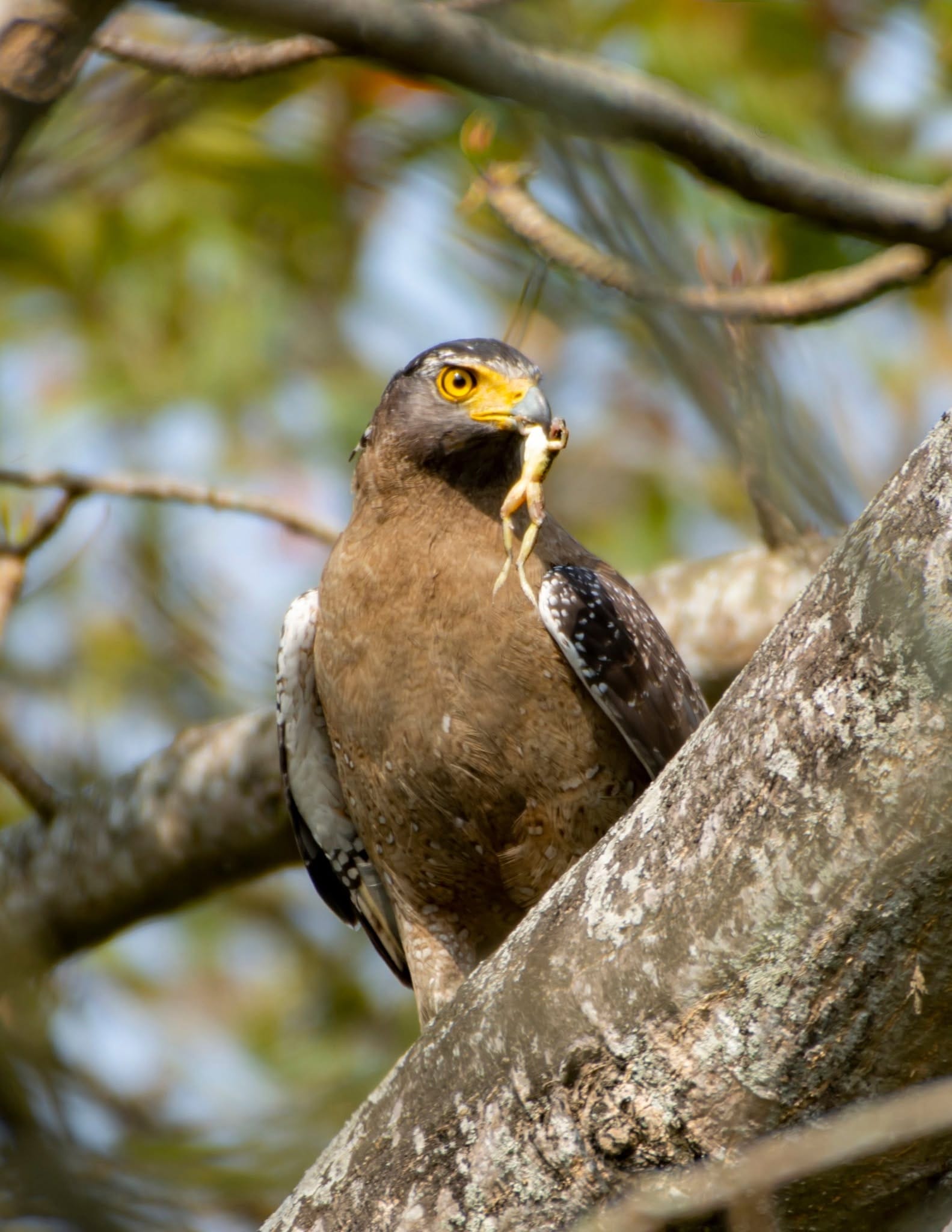
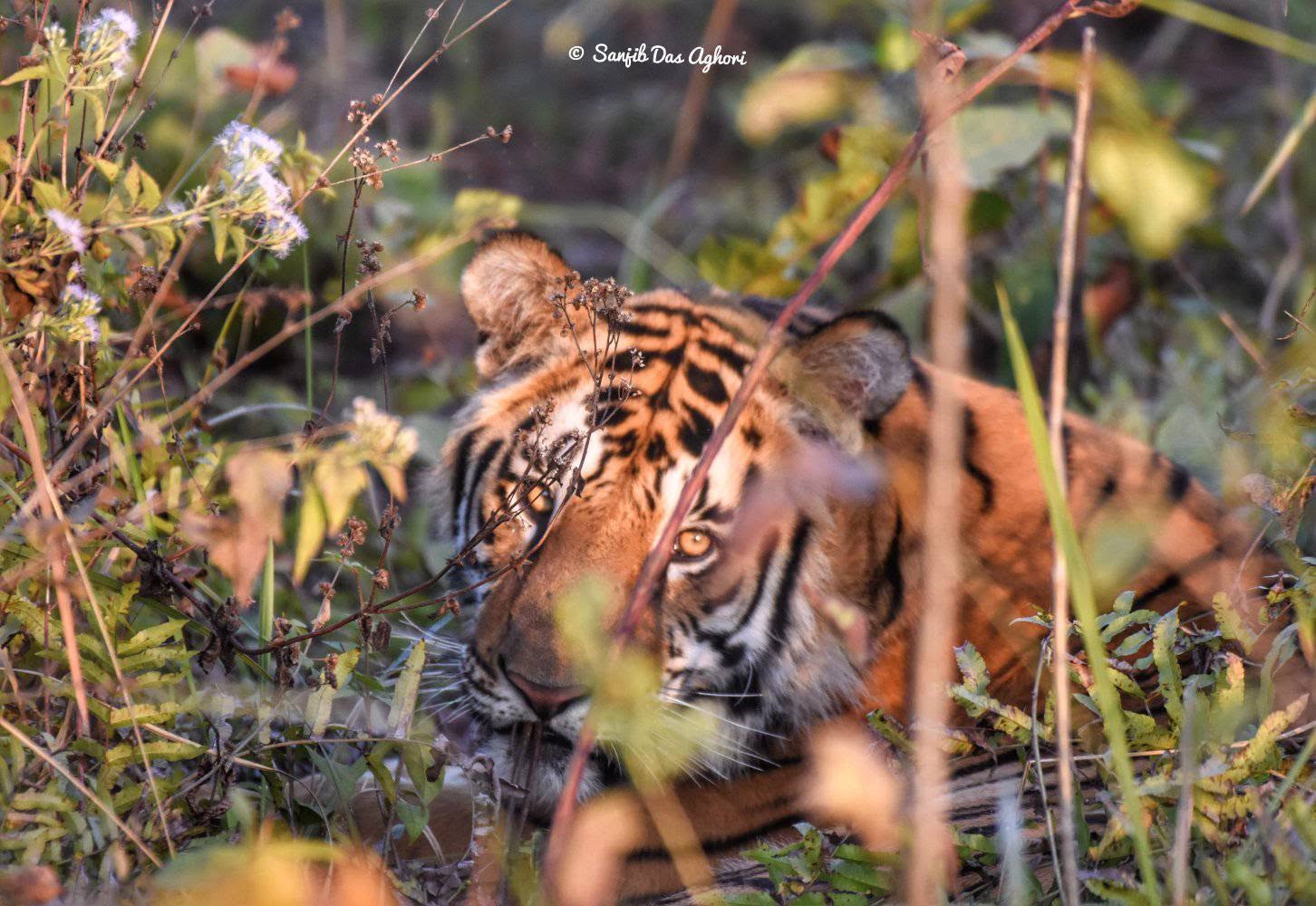
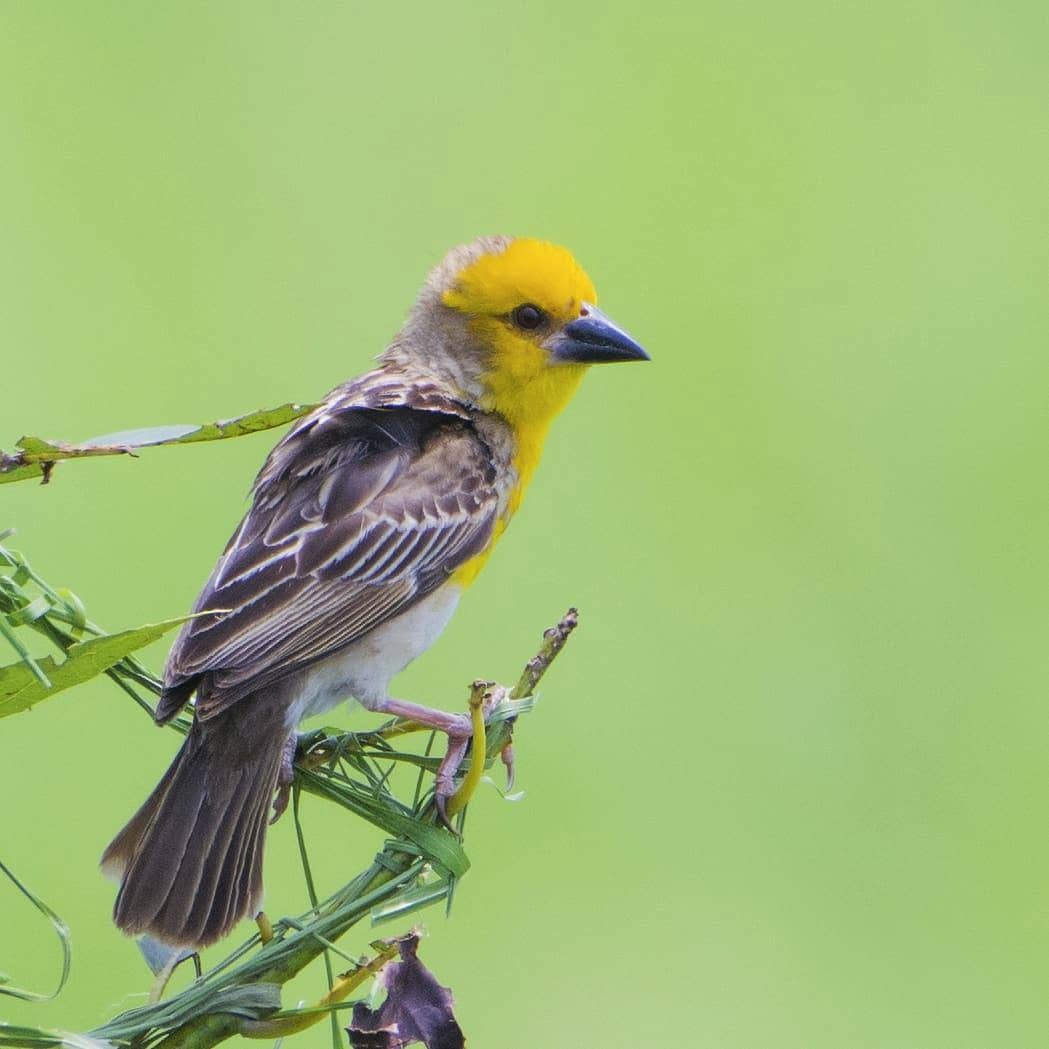
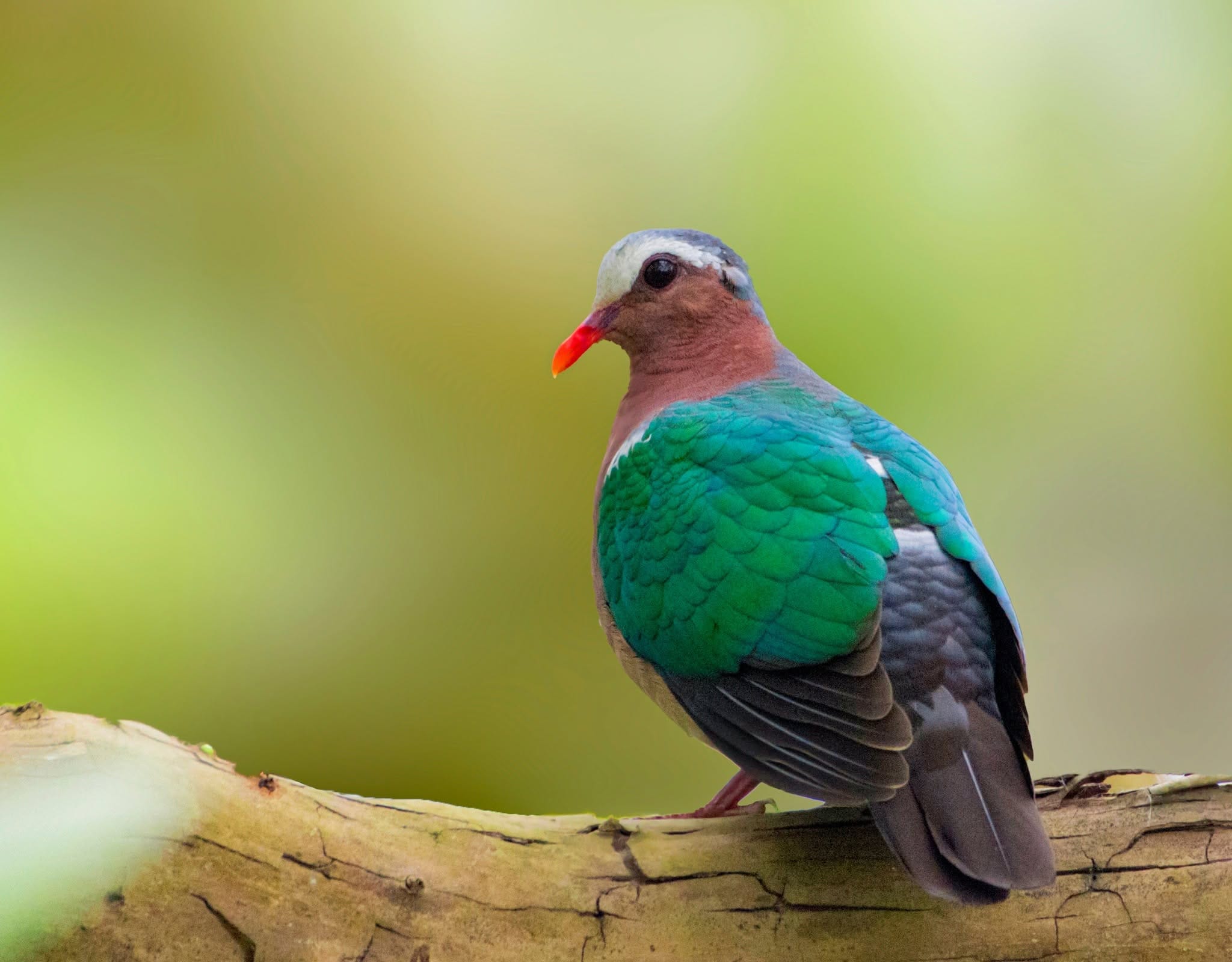
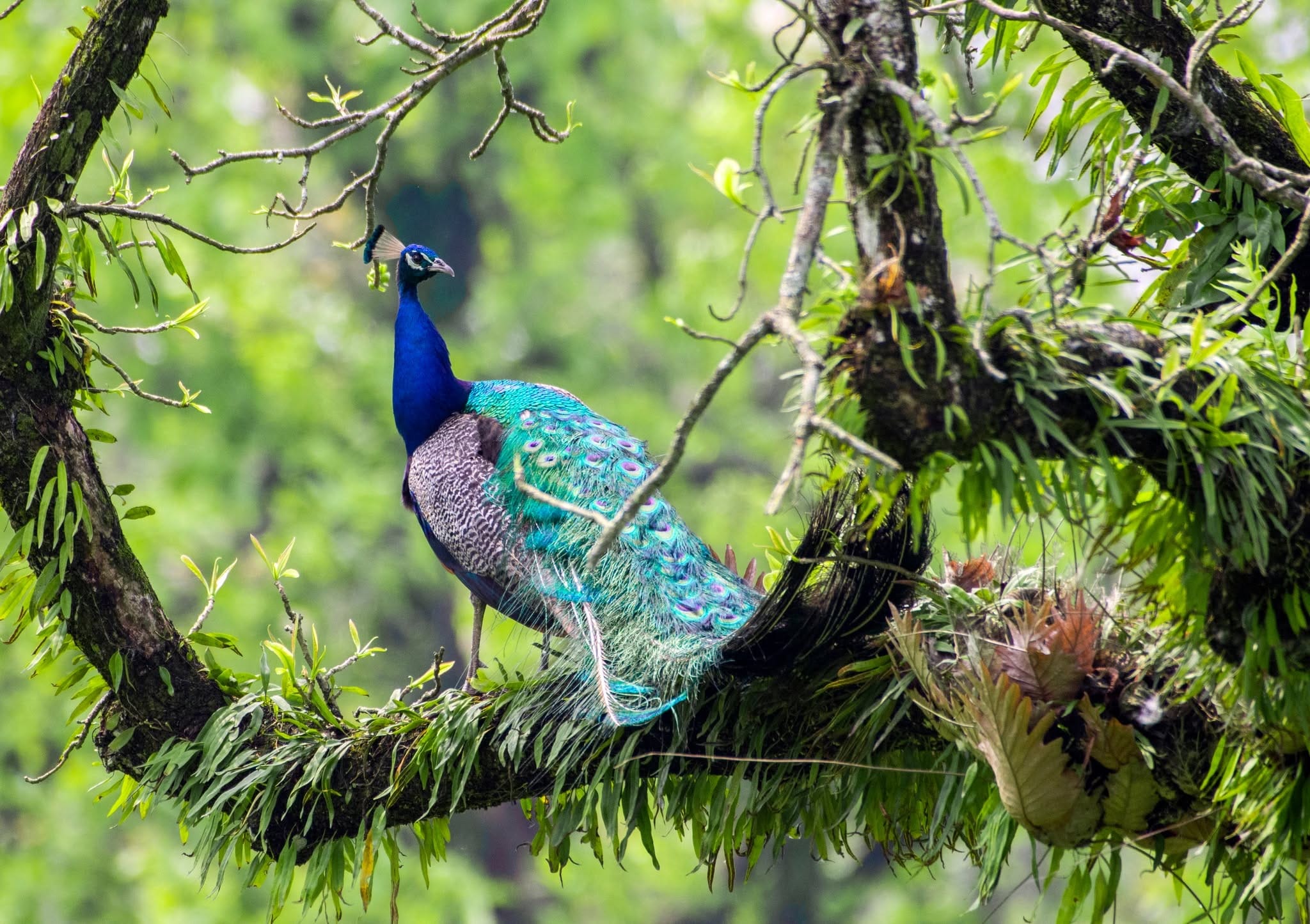
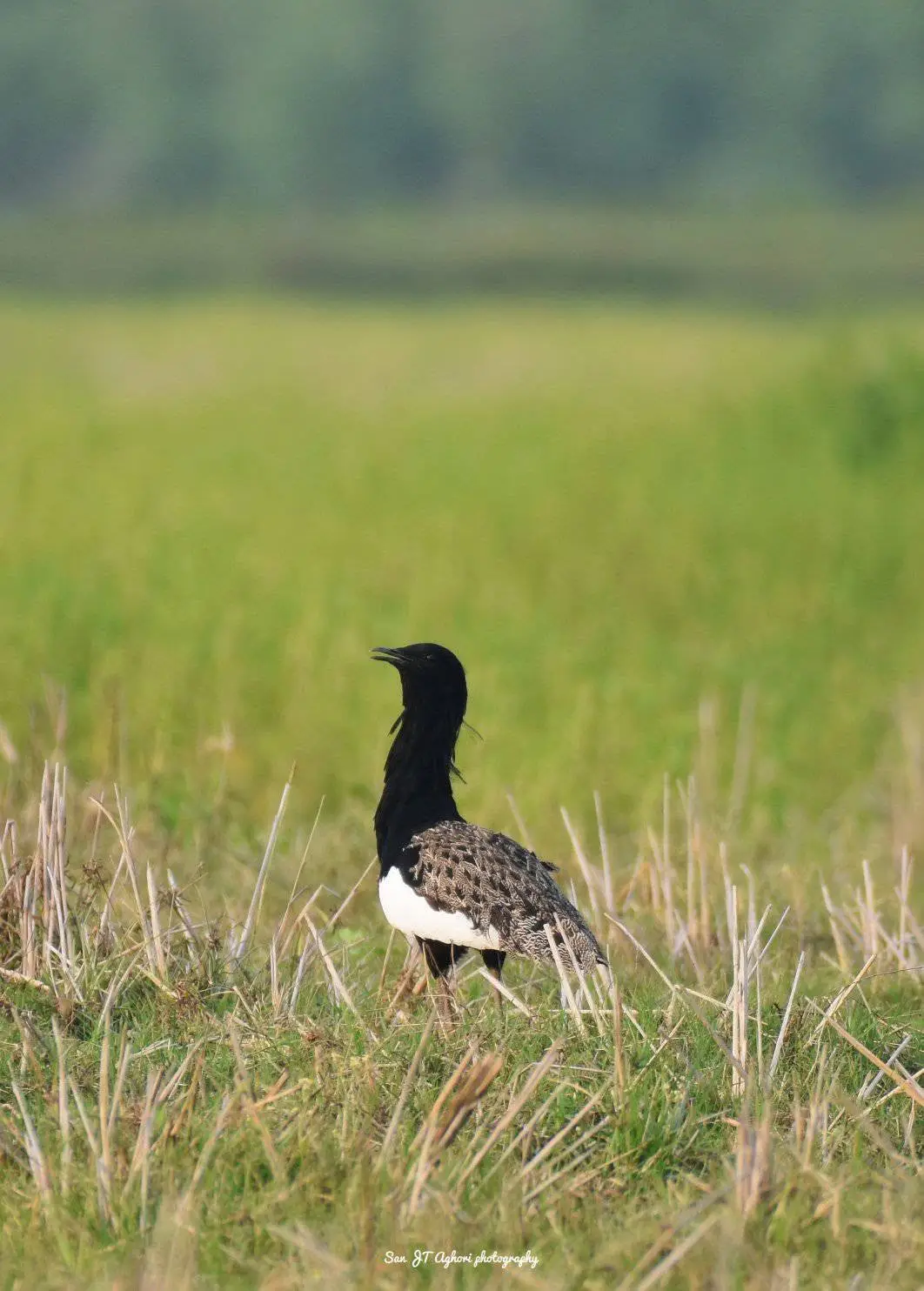
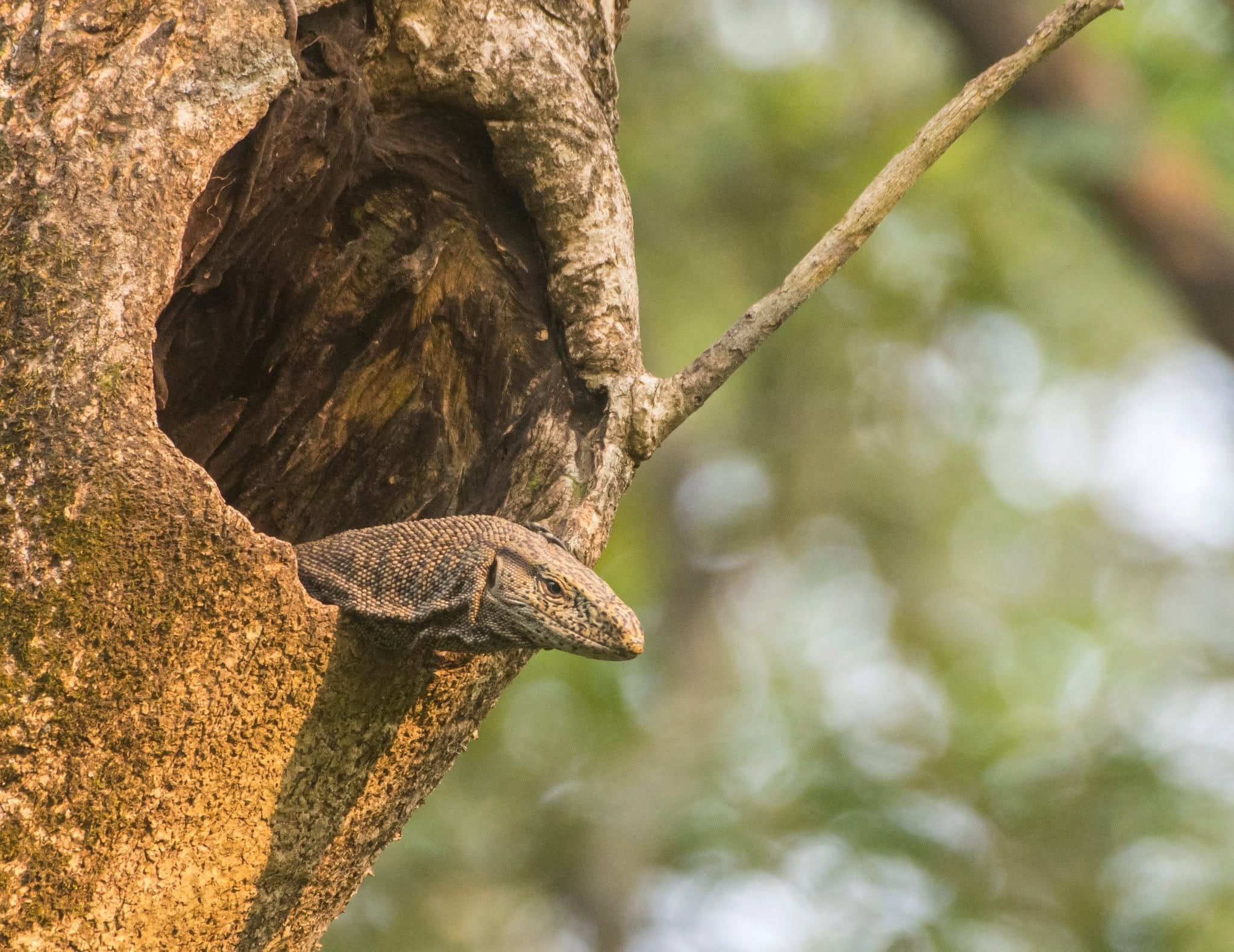
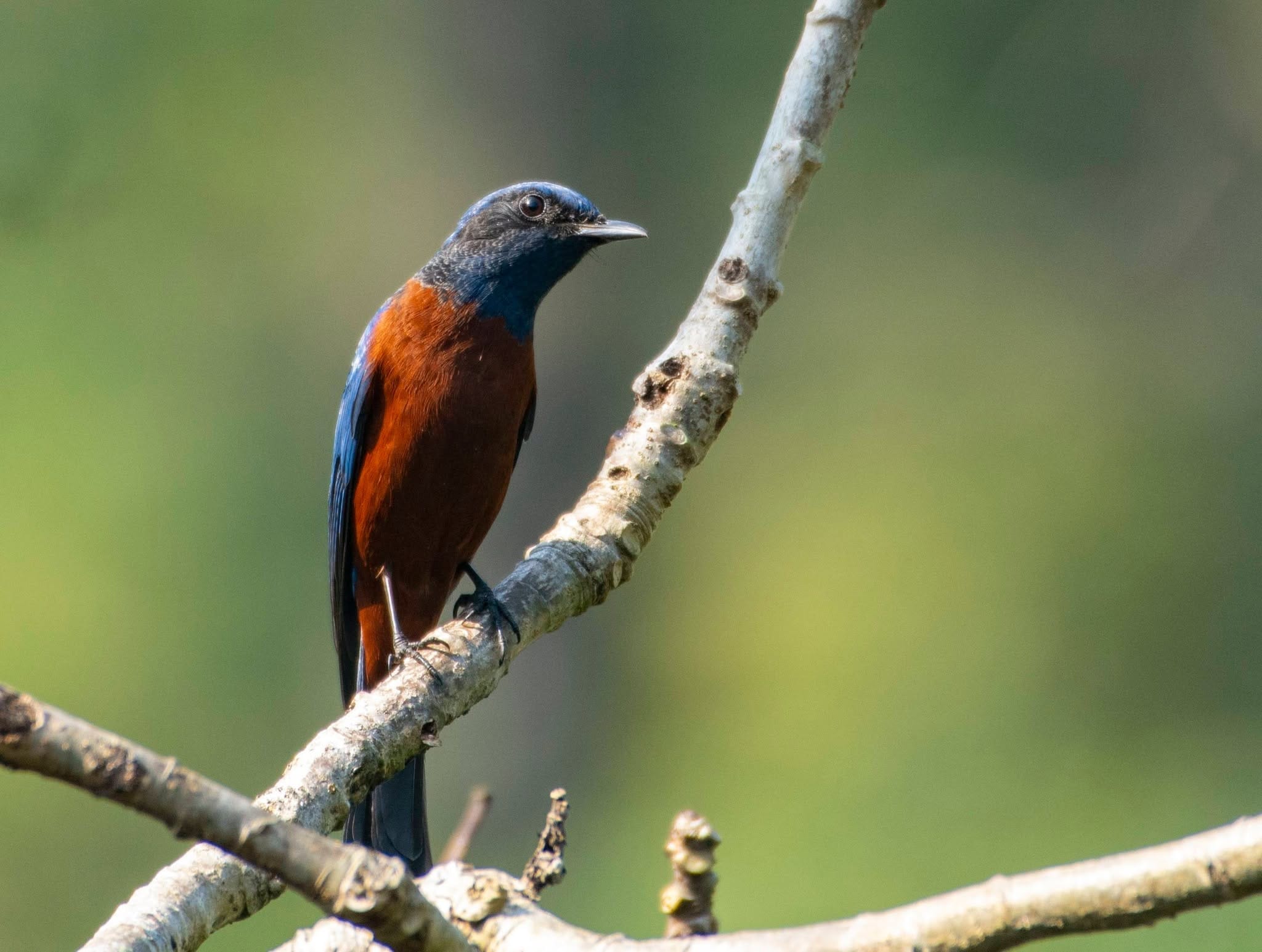
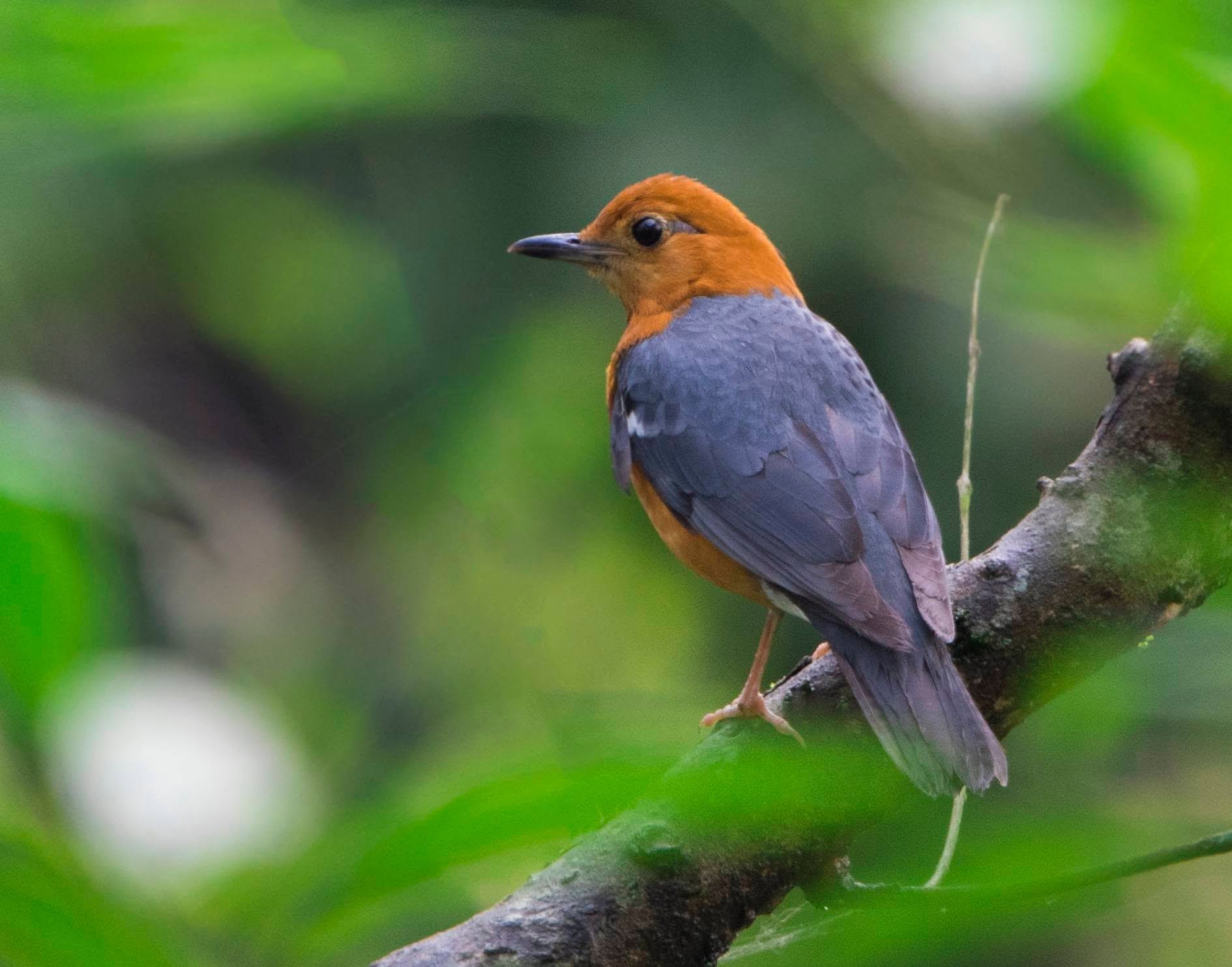
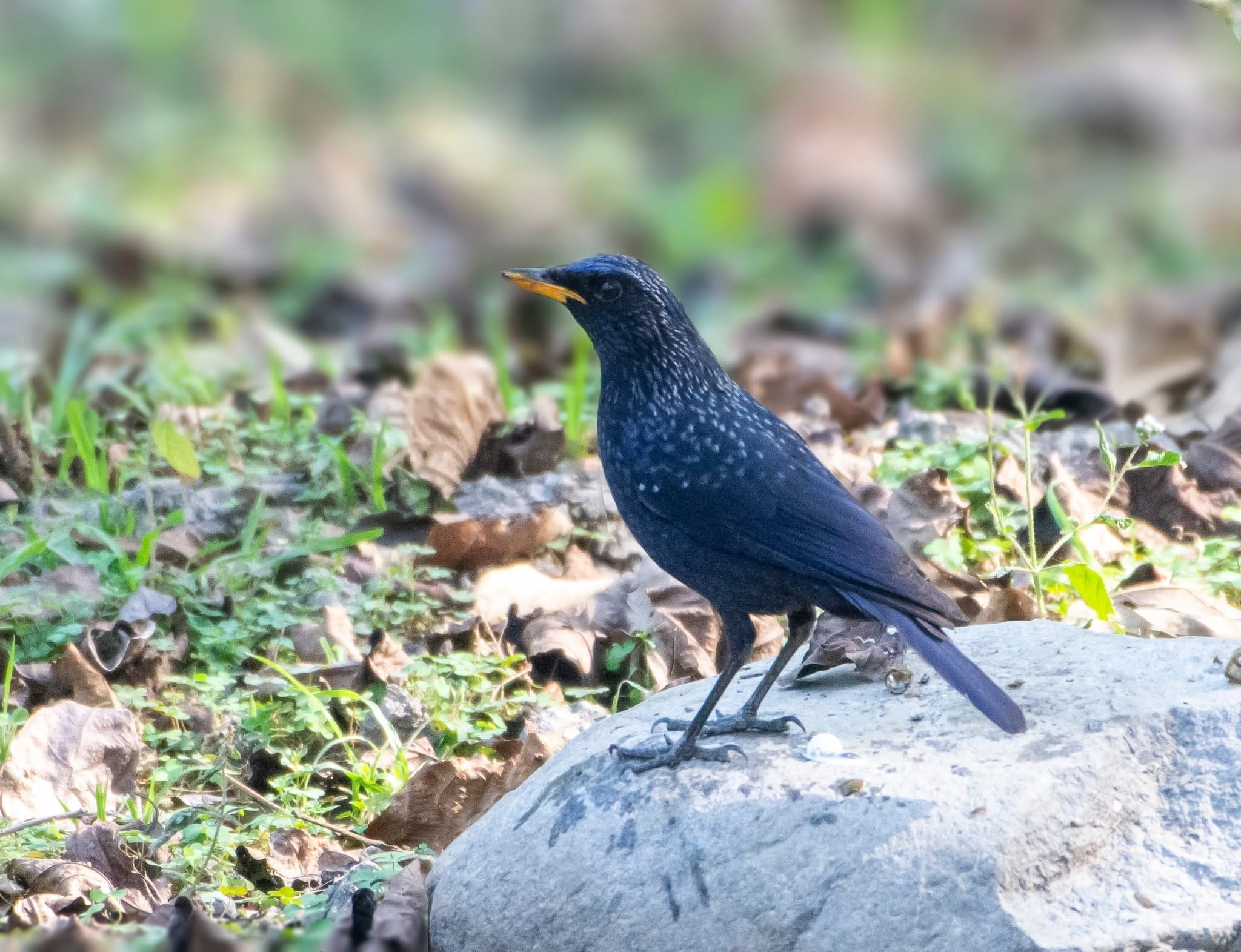
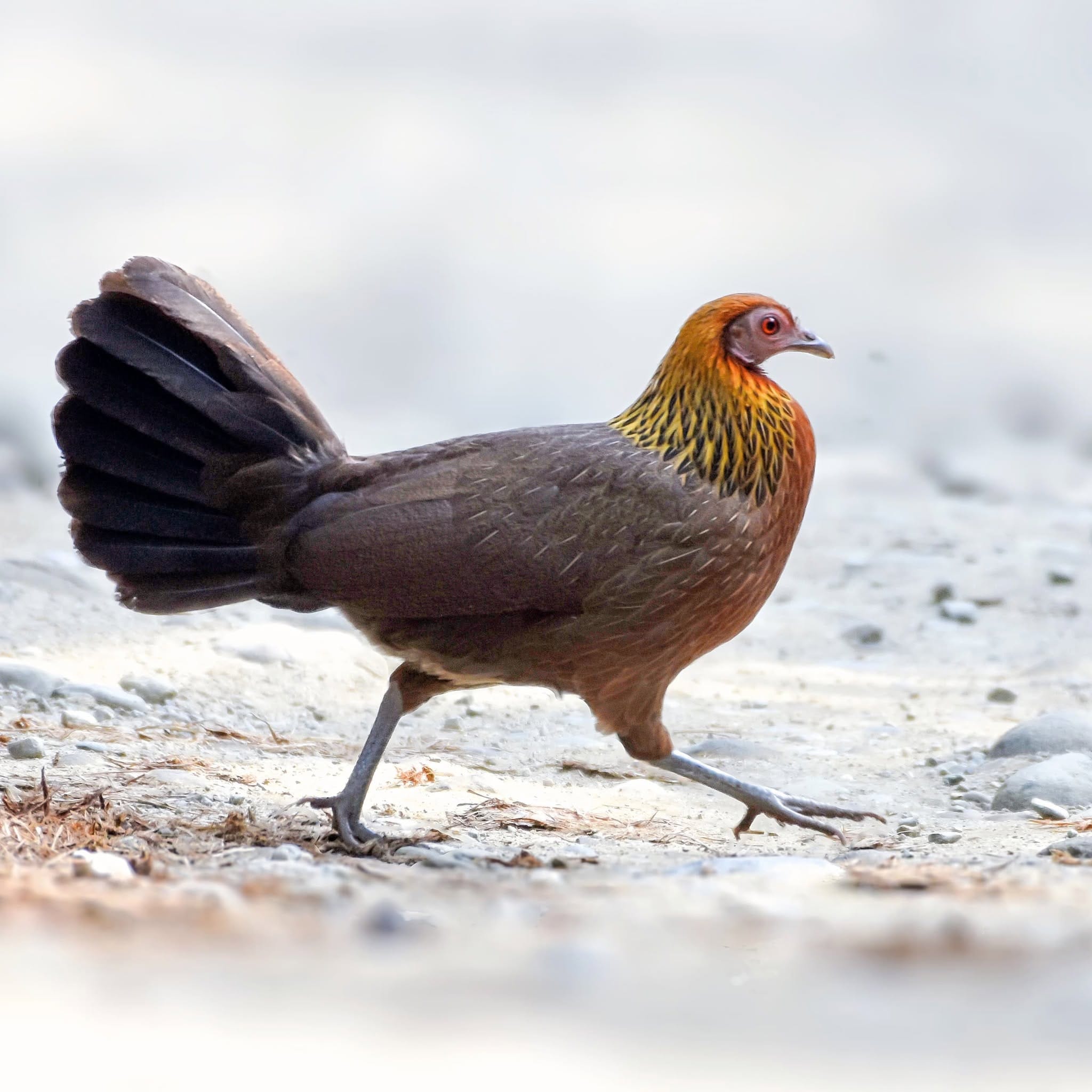
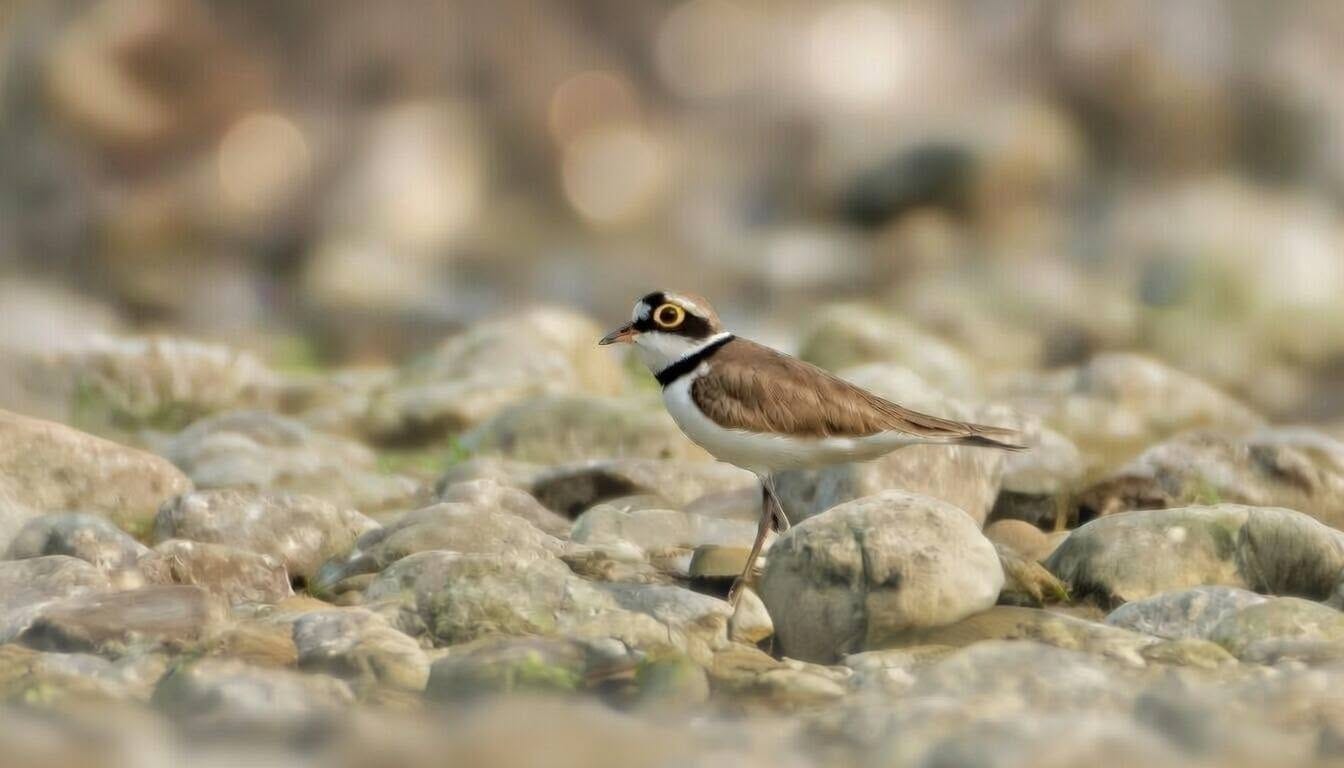
Manas is particularly renowned for its rare and endangered wildlife and exceptional birdlife. The park is one of the important habitats for the Bengal Florican, one of the world's most threatened grassland birds, and is also famous for the elusive Pygmy Hog, one of the world's smallest and rarest wild pigs. Visitors may also encounter the Clouded Leopard, Hispid Hare, Golden Langur, Wild Water Buffalo and several species of deer. For birdwatchers, Manas is equally fascinating, with a rich variety of species including Great Hornbills, Wreathed Hornbills, Oriental Pied Hornbills, Black-breasted Parrotbill, Rufous-necked Hornbill, Bengal Florican and many other forest and grassland birds. This extraordinary combination of rare mammals, colourful birds and diverse habitats makes Manas a truly special destination for wildlife enthusiasts and nature lovers.
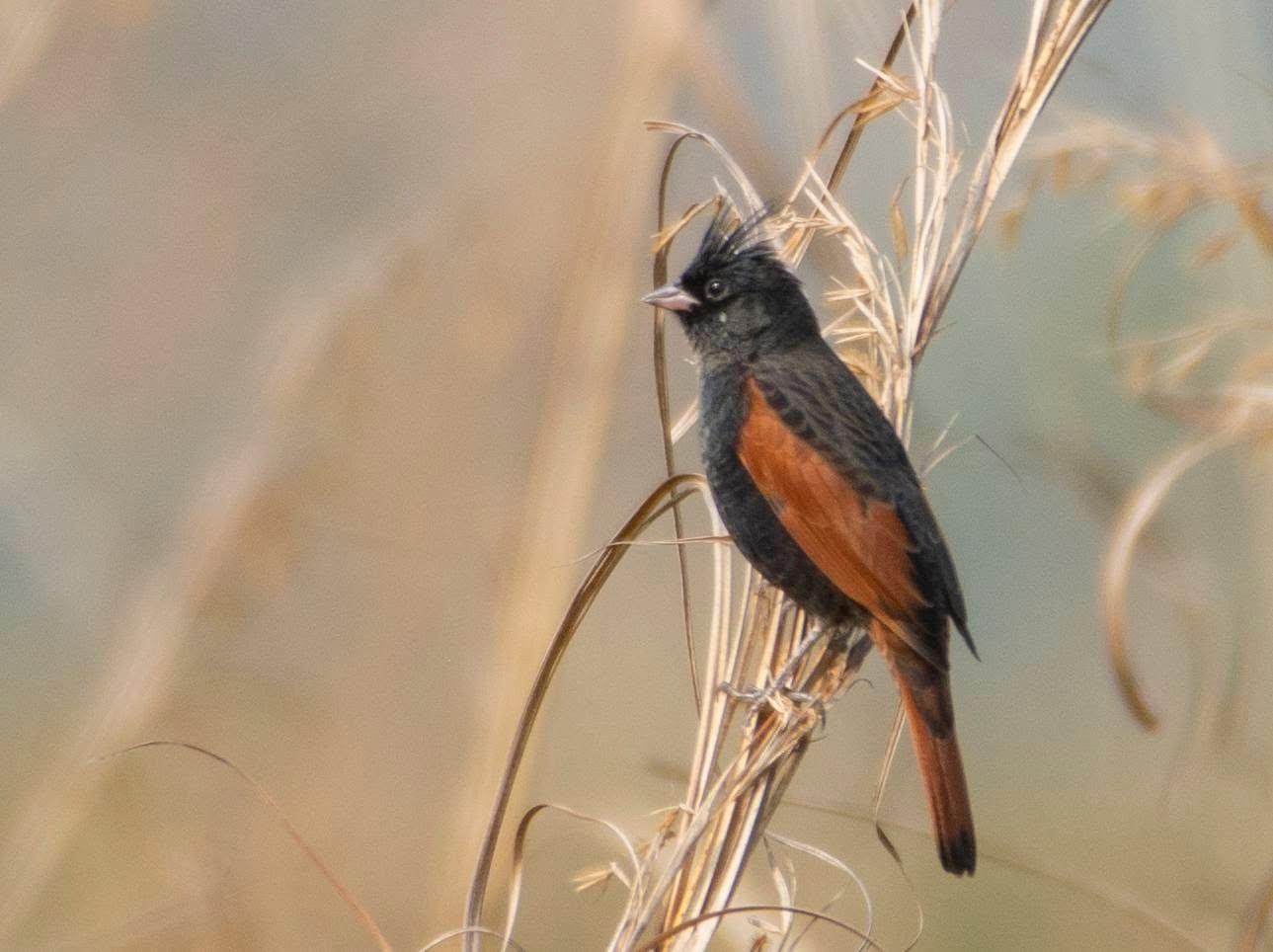
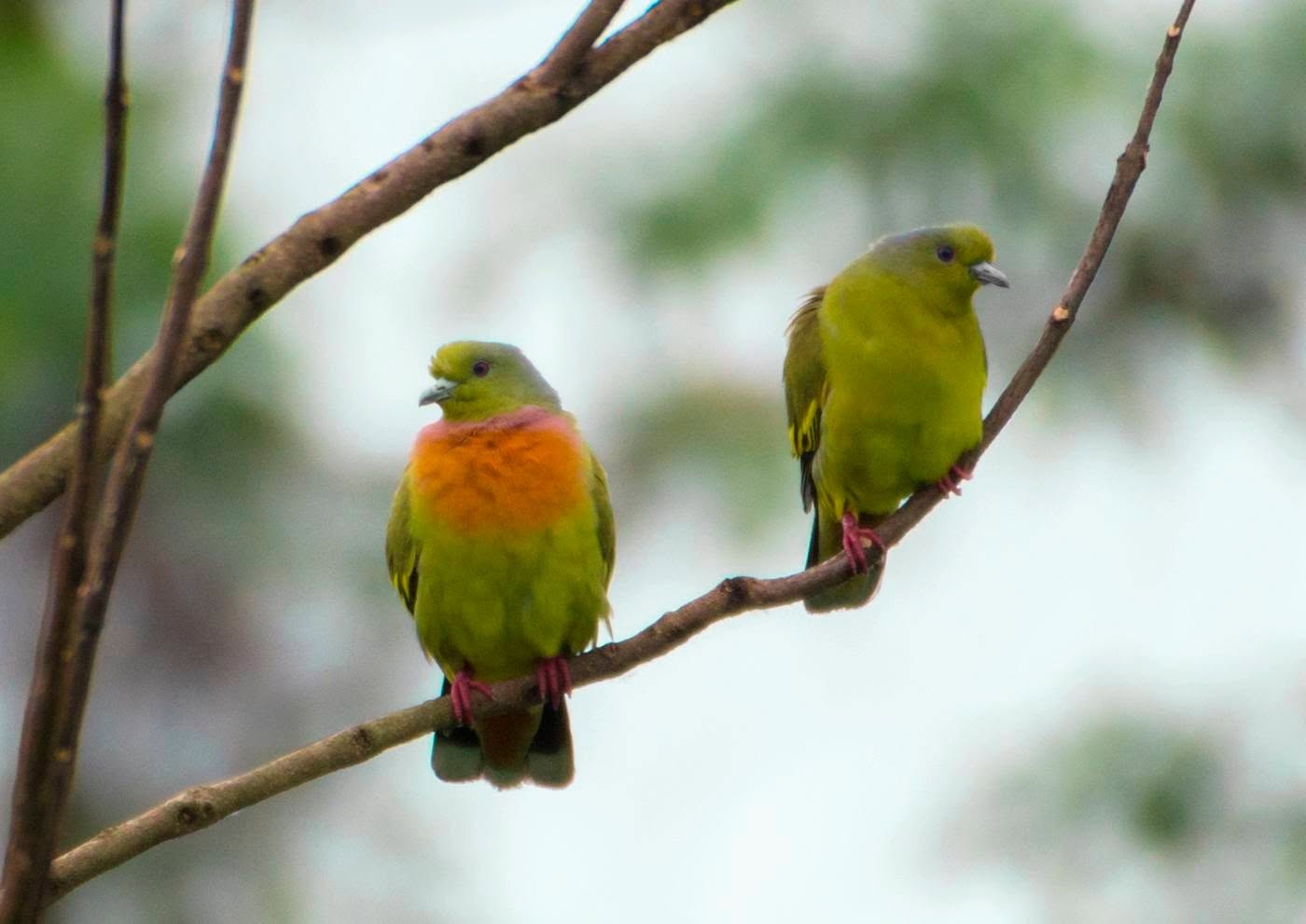
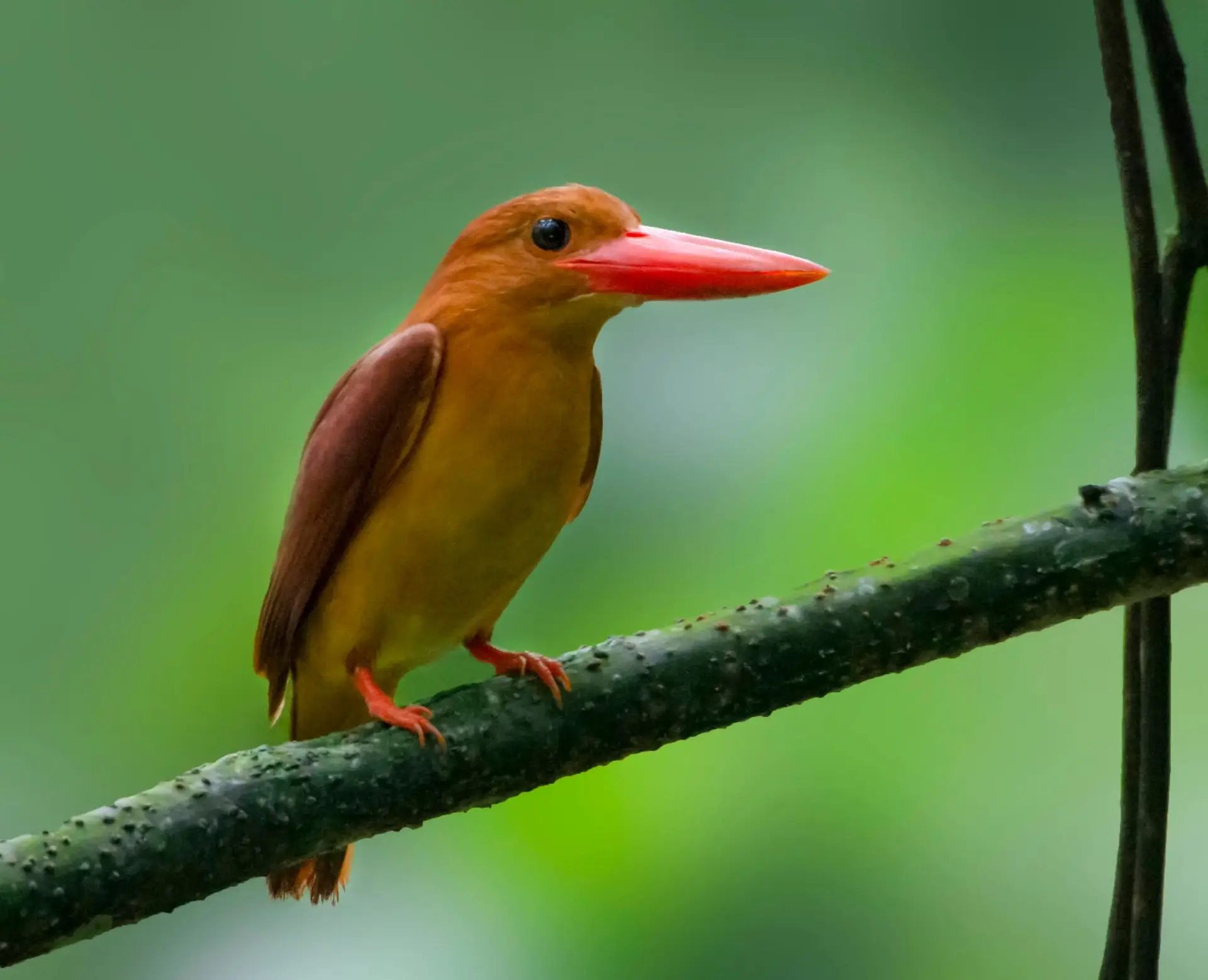
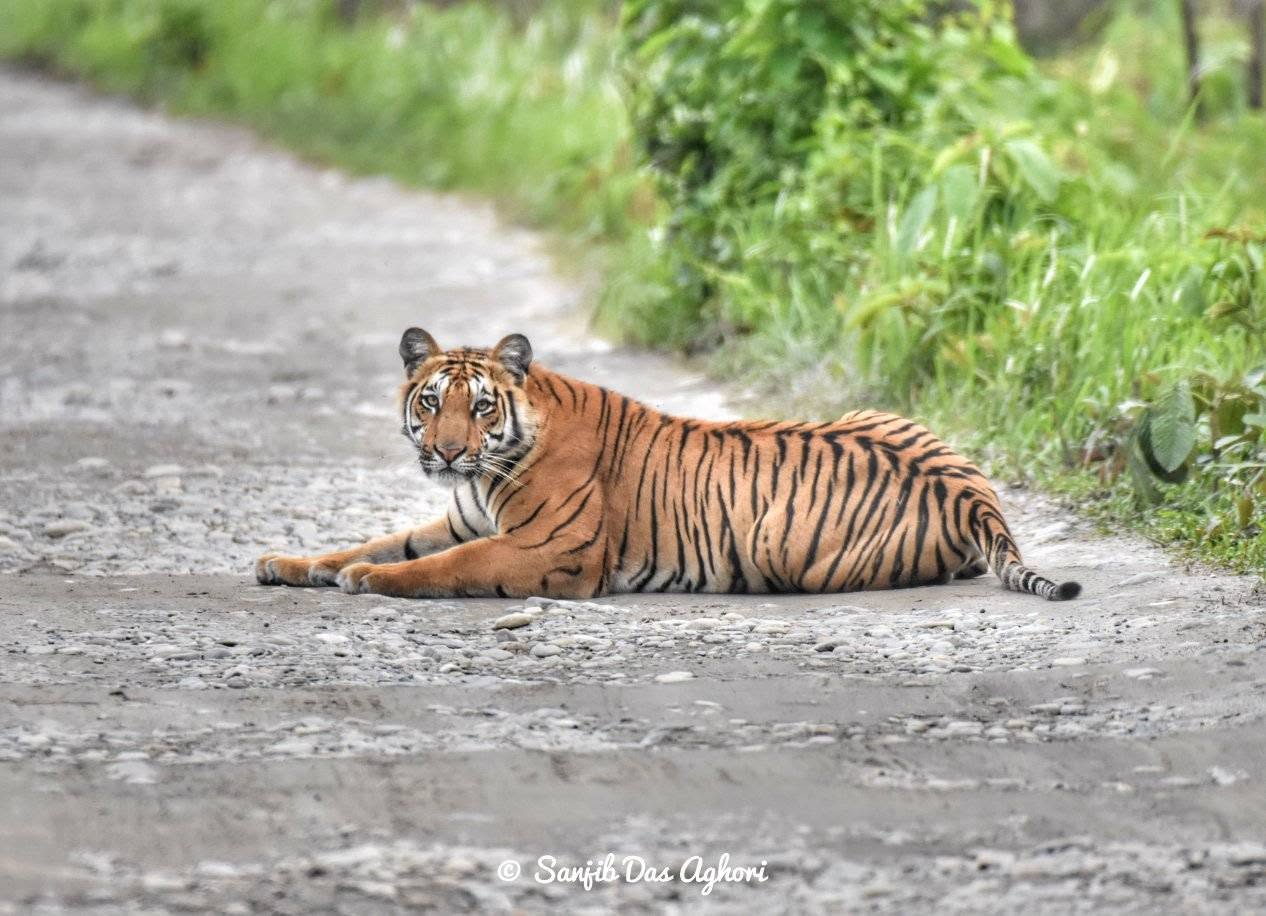
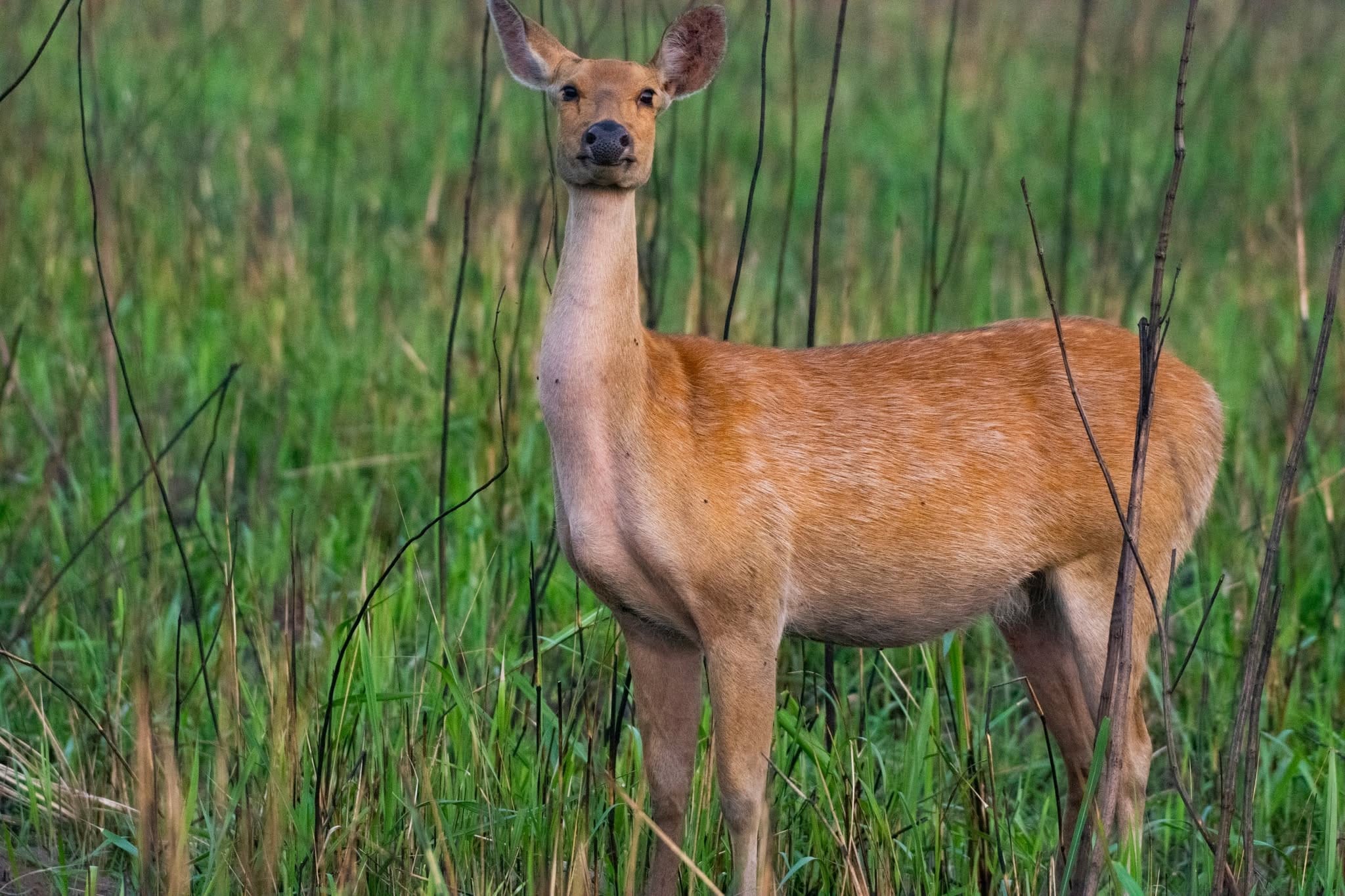
Why Visit Manas National Park?
Best Time to Visit Manas
The ideal season for a Manas National Park safari is generally November to May. The weather during these months is more comfortable, while the drier conditions make safari routes easier to explore. December to February is particularly pleasant for visitors looking for cooler temperatures and comfortable outdoor activities. March and April become warmer but can still offer rewarding wildlife experiences. For a relaxed experience, consider spending at least two to three days in the Manas region.
Where to Stay in Manas
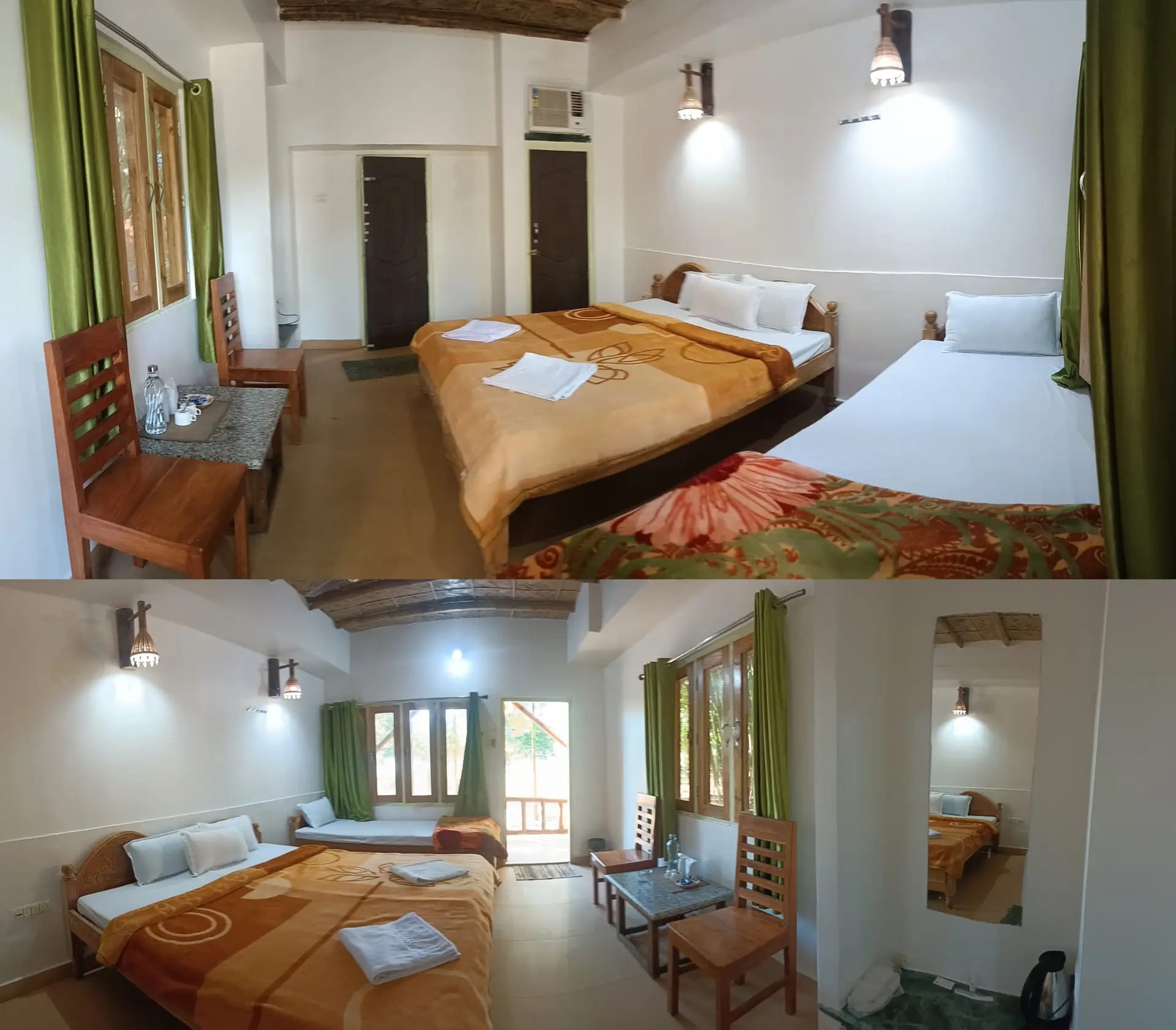
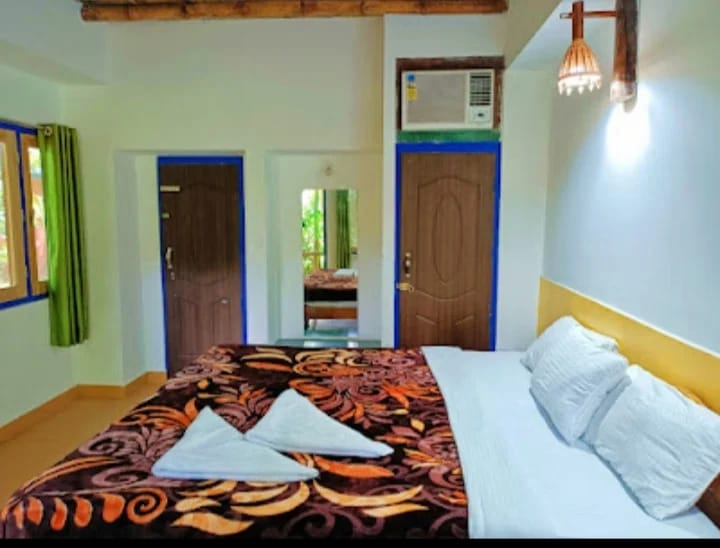
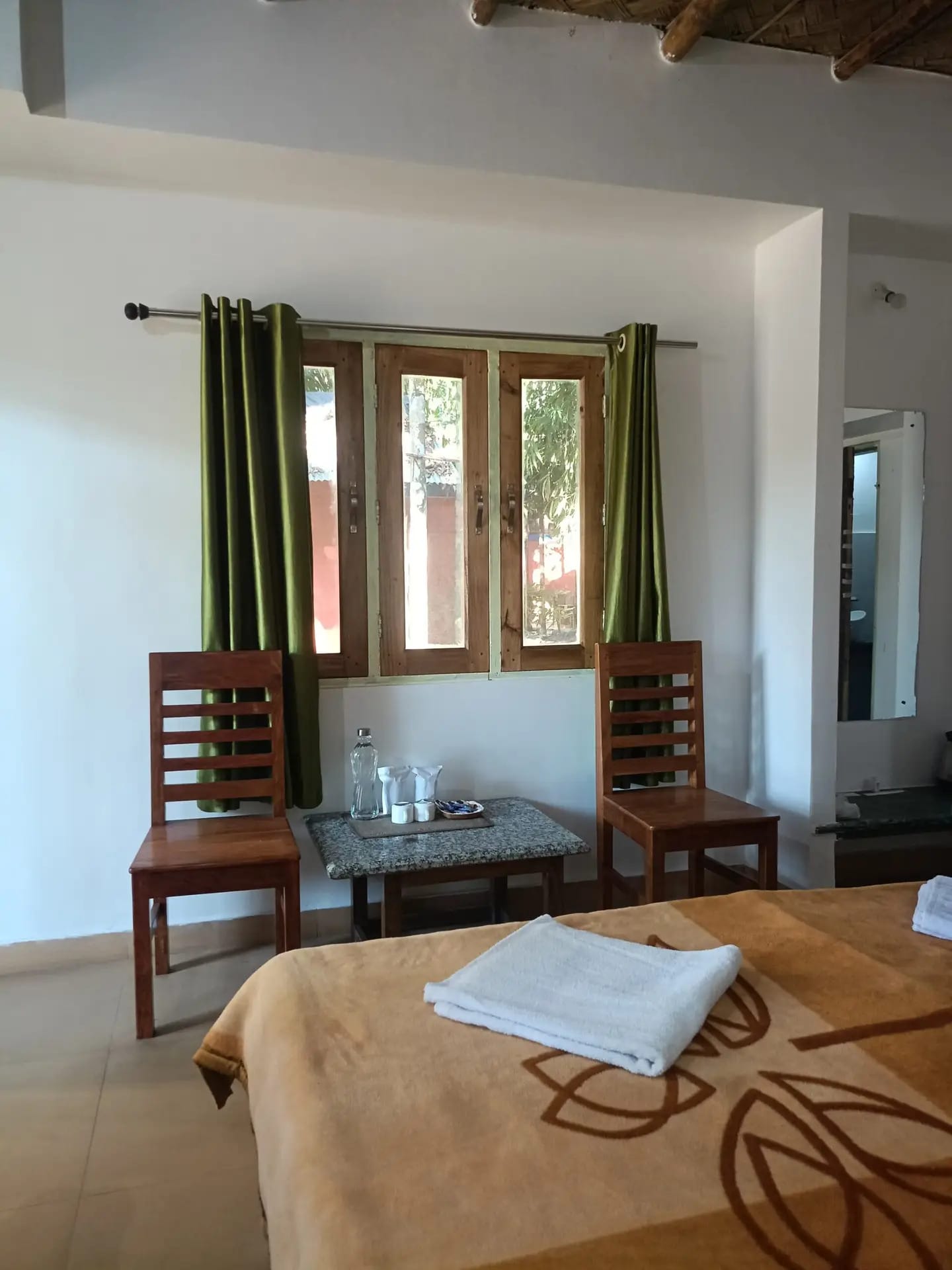
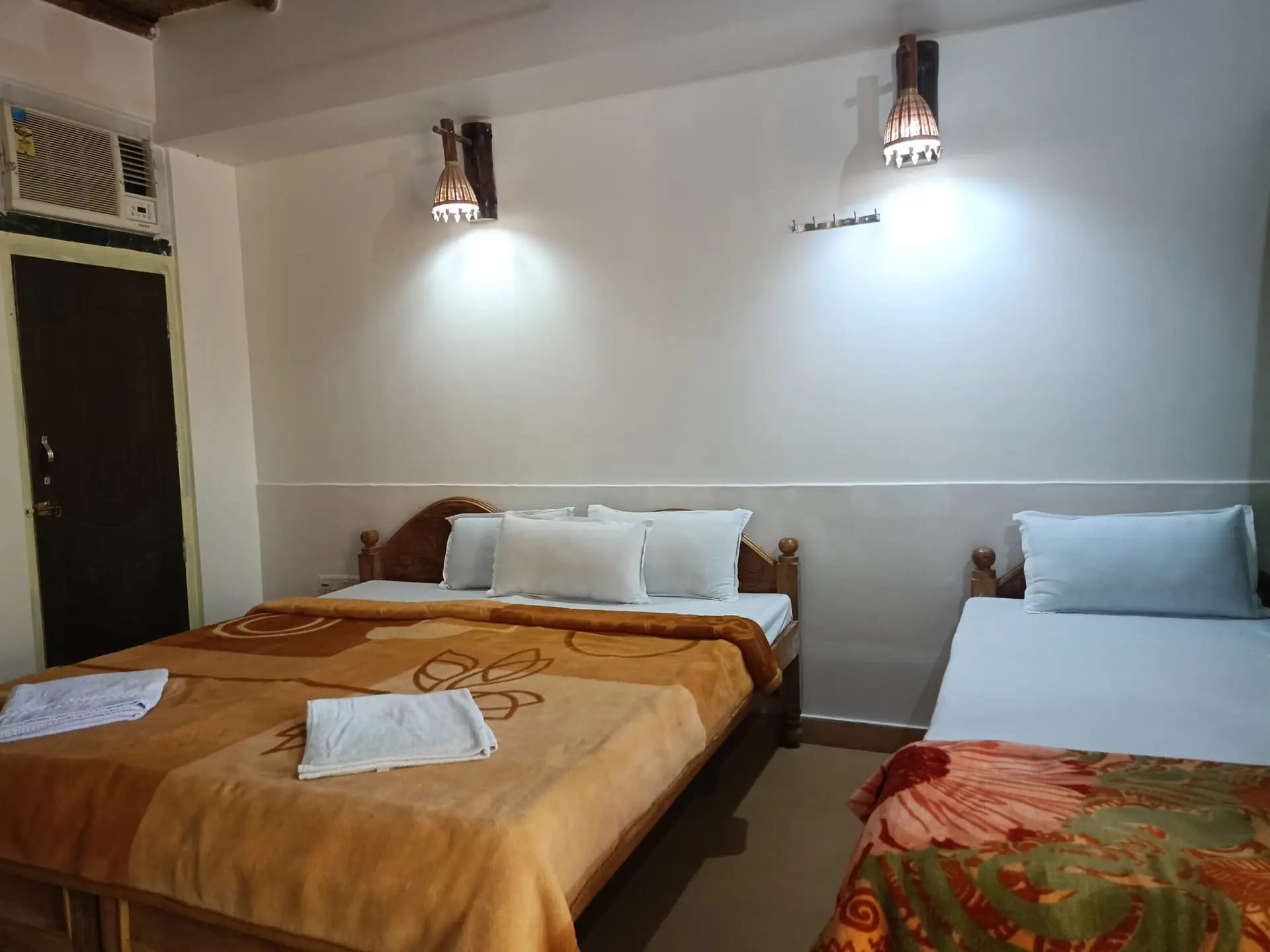
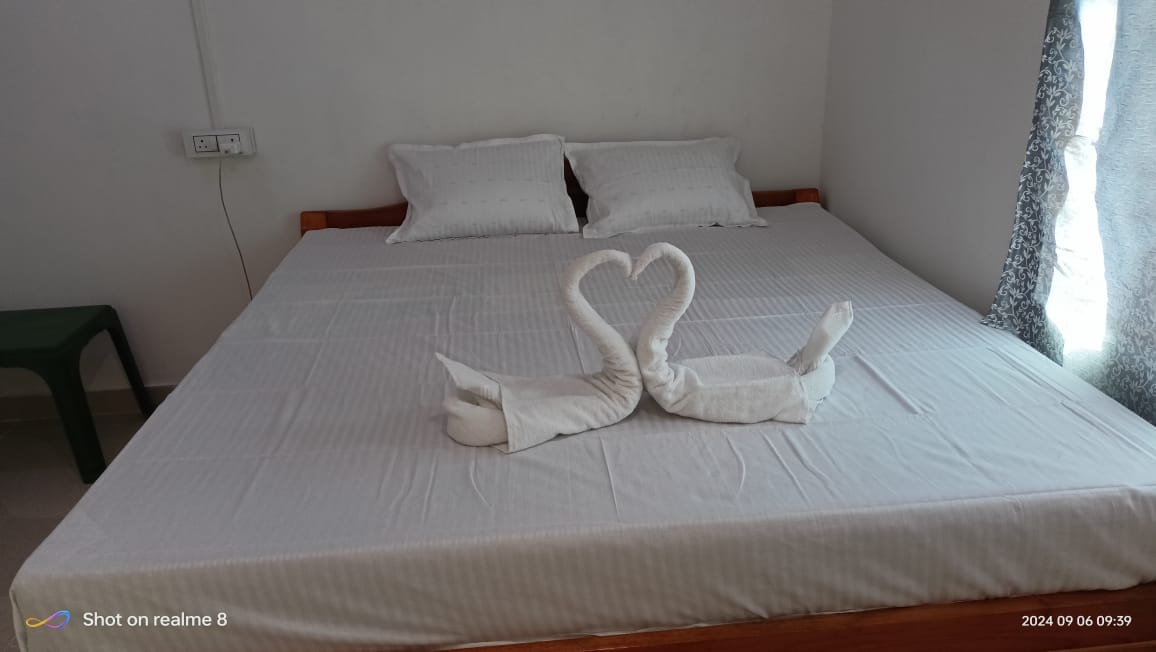
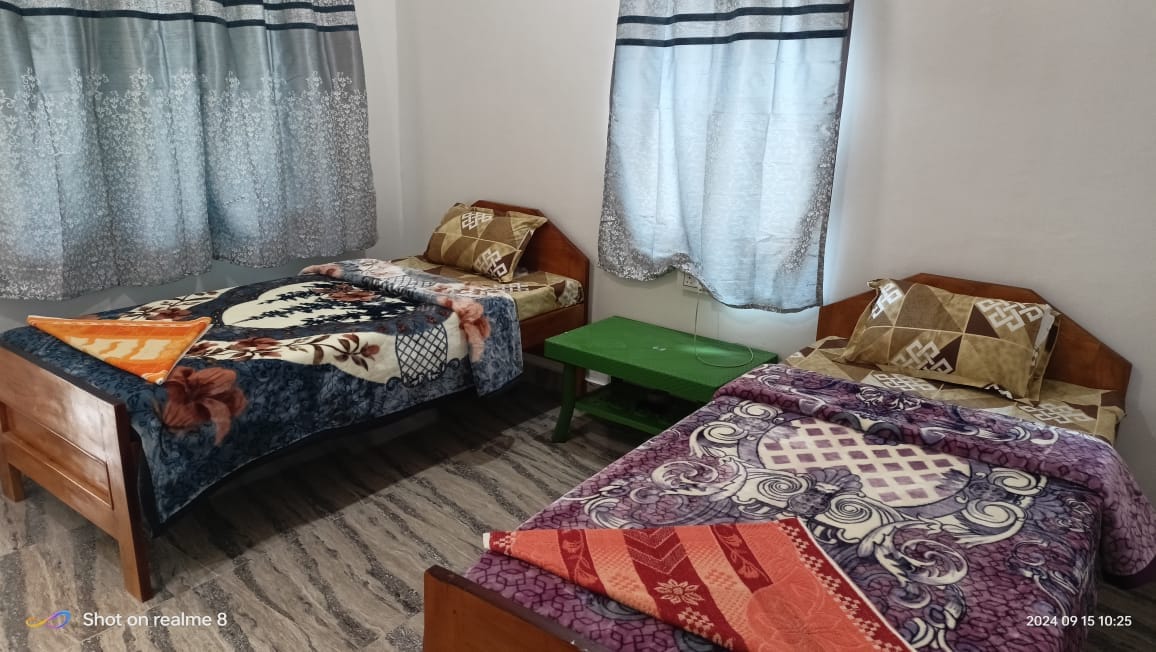
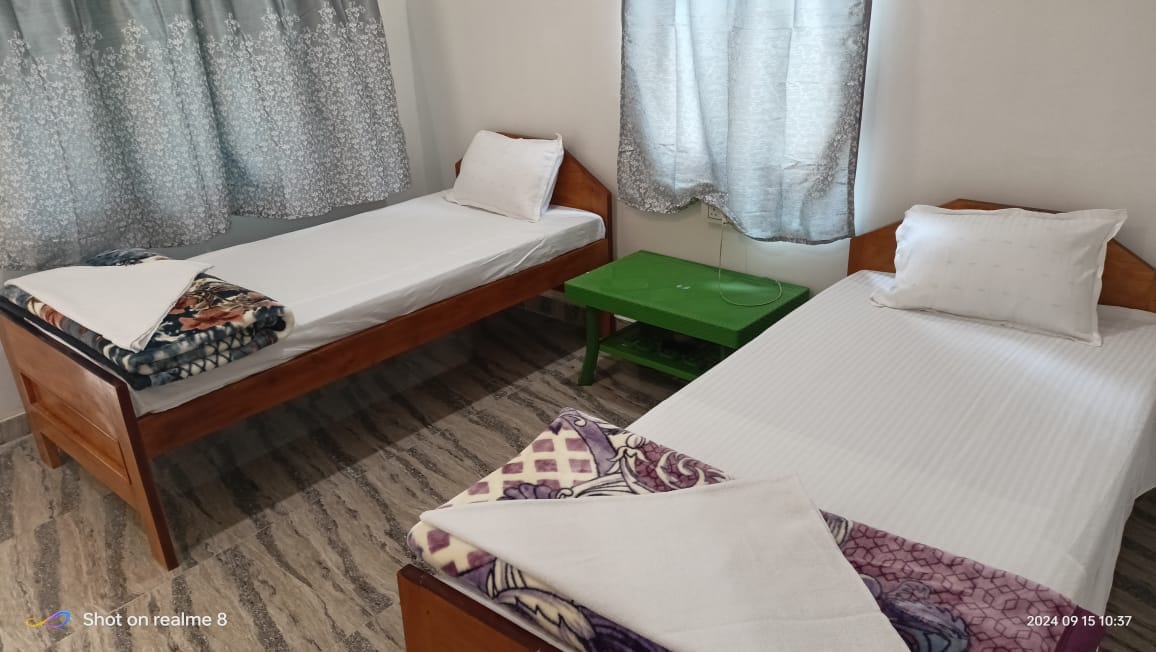
Accommodation is available around the park, particularly near areas such as Bansbari and Barpeta Road. Travellers can choose from tourist lodges, eco-camps, resorts and comfortable nature stays.Many properties in the area can also assist with safari arrangements and local sightseeing.
Cost
Rates & Activities
AC Double Sharing Rs. 3500/-
AC Triple Sharing 4500/-
Elephant Ride 1550/- For Indians (per person)
Jeep Safari 6000/- Half day including Park entry fees and local Guide (for 2 person)
Jeep Safari 12,000/- Full day including Park entry fees and local Guide (for 2 person)
River Rafting 9500/- Including permit and local Guide (for 2person)
Camping site - per tent per person -1500/- breakfast included
Bonfire - 800/-Pick Up & Drop Out Facilities available from Barpeta Raod
Assam Wildlife Packages & Best Offers
Few images of the accommodations





Kaziranga National Park: The Land of the One-Horned Rhino
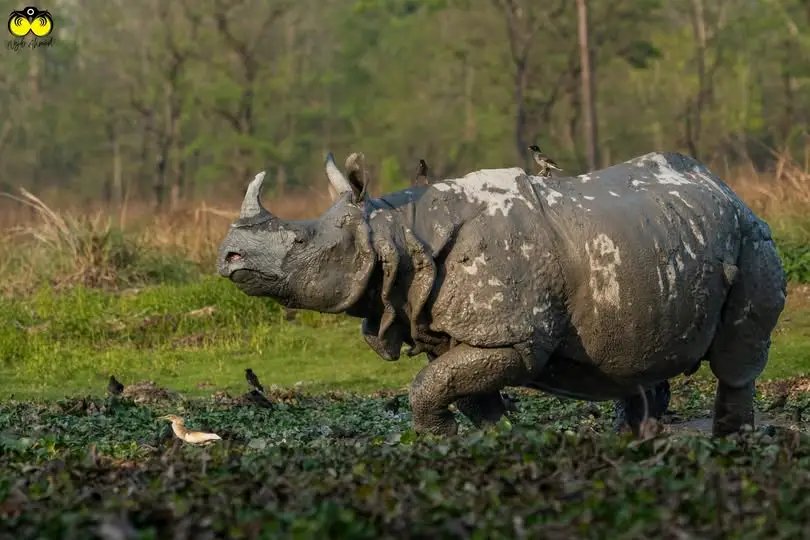
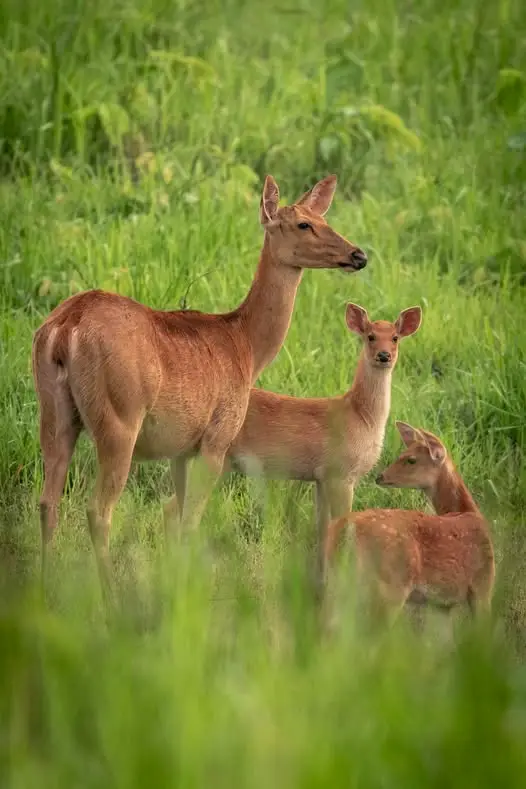
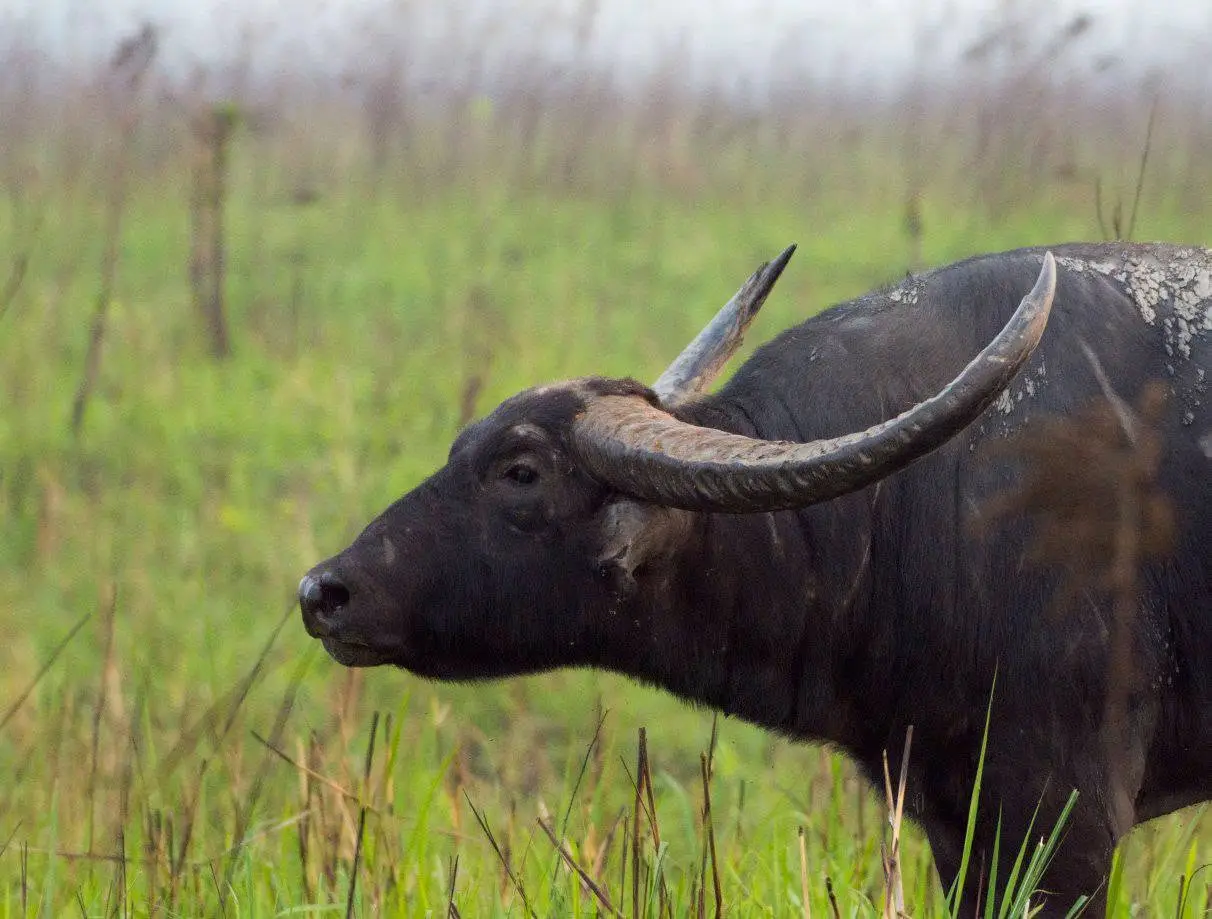
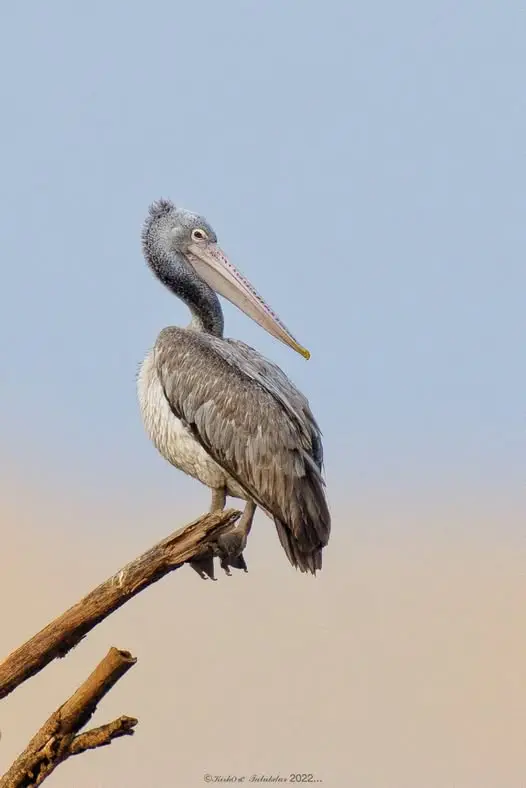
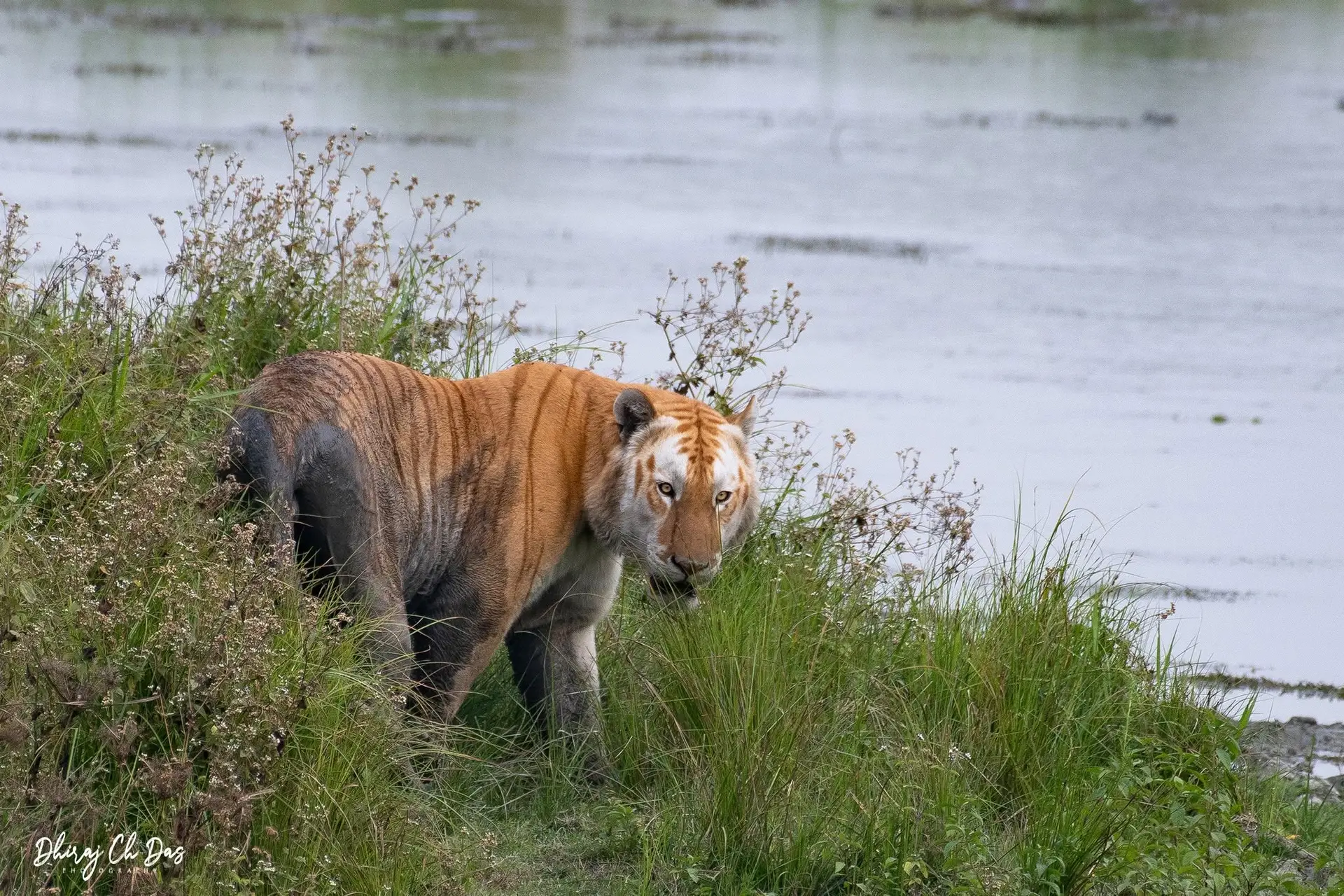
No Assam wildlife tour is complete without experiencing Kaziranga National Park.Situated across parts of Golaghat, Nagaon and Biswanath districts, Kaziranga is one of India's most celebrated wildlife destinations and a globally recognised conservation success story.The landscape is dominated by vast grasslands, wetlands, forests and water bodies shaped by the Brahmaputra River system. This unique environment provides an ideal habitat for the park's famous greater one-horned rhinoceros.Kaziranga is renowned for having the world's largest population of greater one-horned rhinoceroses, making it one of the best places anywhere to experience these magnificent animals in their natural habitat.But rhinos are only part of the attraction. The park is also home to tigers, Asian elephants, wild water buffaloes, swamp deer and a remarkable variety of birds.
Why Visit Kaziranga National Park?
Kaziranga Safari Experience
A Kaziranga safari is the highlight of most visits. Jeep safaris provide access to different areas of the park and allow visitors to explore its varied habitats.The major safari areas include Central, Western, Eastern and Burapahar, with each offering its own character and wildlife possibilities.For first-time visitors, Kaziranga is often the easiest of the three parks to include in an Assam itinerary because of its well-established tourism infrastructure and wide range of accommodation options.
Best Time to Visit Kaziranga
The preferred season for visiting Kaziranga National Park is November to April.The park is generally closed during the monsoon period because heavy rainfall and flooding significantly affect the landscape and park operations.December to February is especially popular because of the cooler weather and comfortable safari conditions. Earlier in the season, shorter grass can sometimes make wildlife easier to spot.
Where to Stay in Kaziranga
Most visitors choose accommodation around Kohora or Bokakhat. Options range from government accommodation and budget stays to resorts, eco-lodges and boutique properties.If you are travelling during the busy winter season, advance booking is recommended.
Nameri National Park: A Paradise for Birdwatchers and Nature Lovers
If Manas is about dramatic landscapes and Kaziranga is about iconic wildlife, Nameri National Park offers a completely different experience.Located near Tezpur in the foothills of the Eastern Himalayas, Nameri is a quieter destination where the emphasis is on forests, birds, rivers and immersive nature experiences.The park is particularly attractive to birdwatchers and nature photographers. One of its most sought-after species is the white-winged wood duck, a rare bird that makes Nameri an important destination for serious birding enthusiasts.The park also supports Asian elephants and a variety of other wildlife.What truly distinguishes Nameri, however, is the opportunity to experience the landscape beyond a traditional jeep safari.
Jia Bhoroli River Adventures
The Jia Bhoroli River is one of Nameri's major attractions.Depending on conditions and local regulations, visitors can enjoy river-based activities and explore the surrounding natural environment. Guided forest walks and nature treks offer another way to experience the park at a slower pace.Rather than focusing exclusively on finding a particular animal, Nameri encourages visitors to appreciate the complete wilderness experience — the sound of the forest, birds along the trails, the river landscape and the peaceful atmosphere.
Why Visit Nameri National Park?
Best Time to Visit Nameri
The best period to visit Nameri National Park is generally November to April.Winter mornings are particularly enjoyable for birdwatching because of the pleasant weather and good visibility. The early part of the season can also be attractive for visitors interested in river activities, subject to prevailing water and safety conditions.
Where to Stay in Nameri
Nameri is well known for its eco-camps and nature-oriented accommodation. Bamboo cottages, tented stays and forest-edge camps offer travellers an opportunity to stay close to nature.Several accommodation providers can also help arrange local activities such as guided walks and river experiences.
Manas vs Kaziranga vs Nameri: Which National Park Should You Visit?
Choosing between these three national parks in Assam depends largely on what kind of wildlife holiday you want.
Choose Kaziranga if...
Your priority is seeing the one-horned rhinoceros and experiencing a traditional Indian jungle safari.Kaziranga is the strongest choice for first-time wildlife travellers, families and photographers looking for iconic wildlife sightings.
Choose Manas if...
You want a more varied wilderness experience with Himalayan scenery, rare wildlife and fewer crowds.Manas is particularly appealing to travellers who enjoy landscapes as much as wildlife and want something beyond the conventional safari experience.
Choose Nameri if...
You love birds, rivers, forest walks and peaceful nature experiences.Nameri is an excellent choice for birdwatchers, photographers and travellers who prefer a slower, more immersive connection with nature.
Why Visit All Three?
If your itinerary allows enough time, combining Manas, Kaziranga and Nameri National Parks is the best way to experience the diversity of Assam's wilderness.The three parks complement one another beautifully rather than competing with each other.
Best Time for an Assam Wildlife Tour
For travellers planning a circuit covering Manas, Kaziranga and Nameri, November to April is generally the most suitable period.During these months, the weather is comparatively comfortable and wildlife areas are more accessible.The winter months of December to February are particularly popular for wildlife tours because of the pleasant daytime temperatures and comfortable safari conditions.March and April can be warmer, but wildlife experiences can remain rewarding.Because park opening dates, safari timings, permits and local regulations can change, travellers should confirm the latest information before finalising their itinerary.
How to Plan a Manas, Kaziranga & Nameri Wildlife Tour
A well-planned Assam wildlife itinerary can combine all three parks with relatively little backtracking.A popular route is to begin in Guwahati, travel towards Manas, continue towards Kaziranga and then proceed towards Tezpur and Nameri.Depending on your available time, the journey can also be extended to include Assam's famous tea gardens, cultural attractions, the Brahmaputra River and destinations such as Majuli or Sivasagar.Suggested Wildlife CircuitGuwahati → Manas → Kaziranga → Nameri → TezpurFor a more relaxed holiday, allow at least two full days at each wildlife destination. This gives you enough time for multiple safari or nature experiences instead of rushing from one park to another.
Essential Tips for Your Assam Wildlife Tour
A little preparation can make your wildlife holiday considerably more enjoyable.
Carry the Right Clothing
Choose comfortable, lightweight clothing and carry an extra layer during the cooler winter mornings.
Bring Binoculars
Binoculars are especially useful in Nameri and Kaziranga, where birdwatching can become an important part of the experience.
Follow Your Guide's Instructions
Wild animals are unpredictable. Always maintain the distance and follow the instructions given by your safari guide and forest authorities.
Avoid Disturbing Wildlife
Do not shout, feed animals or attempt to attract wildlife for photographs. Responsible tourism helps protect these fragile ecosystems.
Carry Your Camera
From rhinos and elephants to colourful birds, rivers and Himalayan landscapes, Assam offers exceptional opportunities for wildlife and nature photography.