Ravangla & Beyond
🕒 8 min read
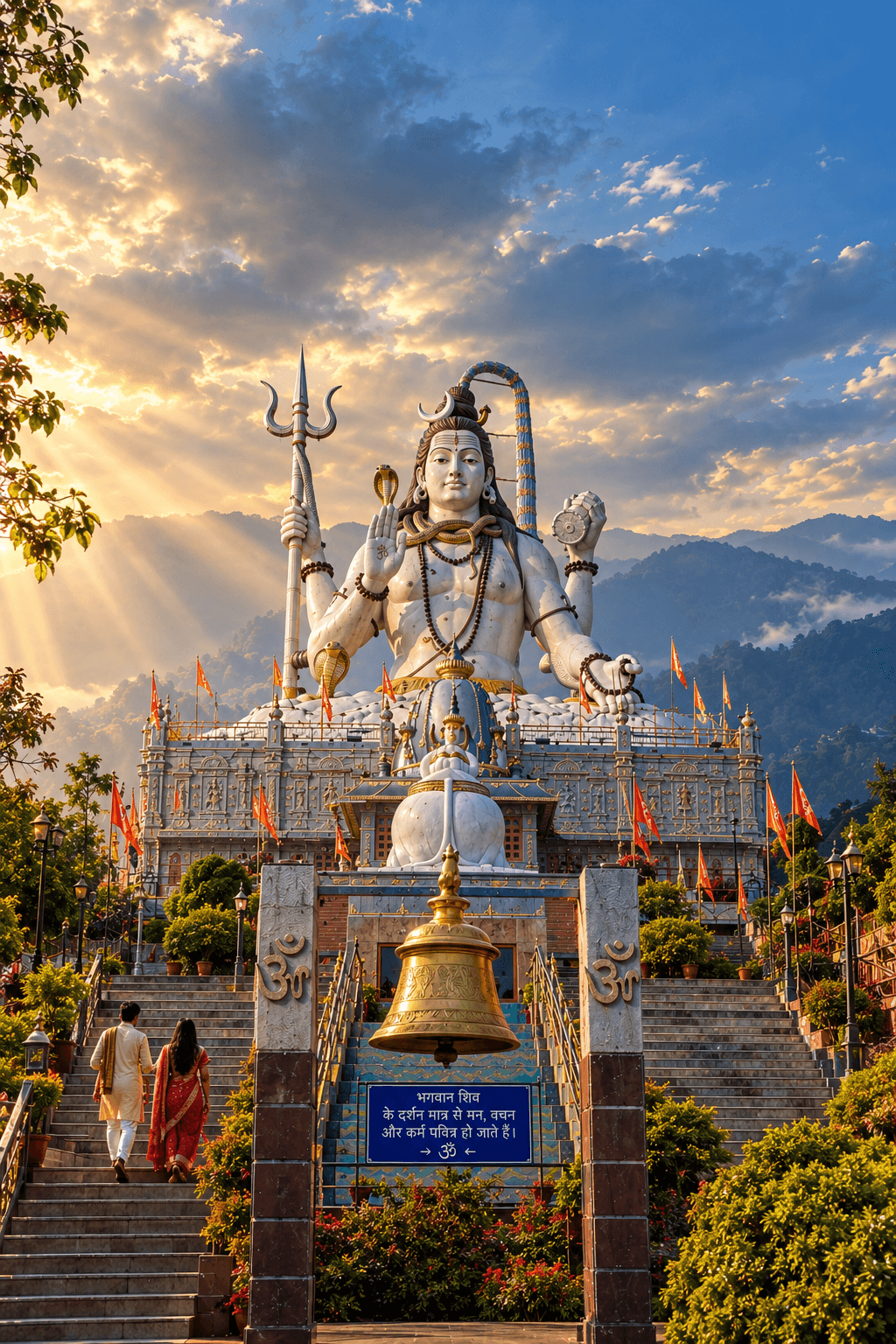
South Sikkim feels different from the better-known tourist circuits of the state. Around Namchi, Ravangla and Temi, the landscape shifts between tea gardens, monasteries, forested hills and quiet mountain villages, with views towards Khangchendzonga on clear days.
It is a good choice for travellers looking for a slower Himalayan experience, especially those interested in local culture, short hikes, monasteries, scenic drives and homestays.
That’s South Sikkim — the quieter, gentler half of one of India’s most loved Himalayan states.
While North Sikkim gets the glory for Yumthang Valley and Gurudongmar Lake, South Sikkim tourist places offer something different: accessibility, warmth, and a slower rhythm. This is the region for travelers who want the Himalayas without the hustle — permit-free destinations, smooth roads, and a genuine sense of Sikkimese life rather than just a checklist of viewpoints.
In this guide, we’ll walk you through the best places to visit in South Sikkim, how much time and money to budget, the best season to go, local customs, packing essentials, and a sample 3-day itinerary you can actually follow.
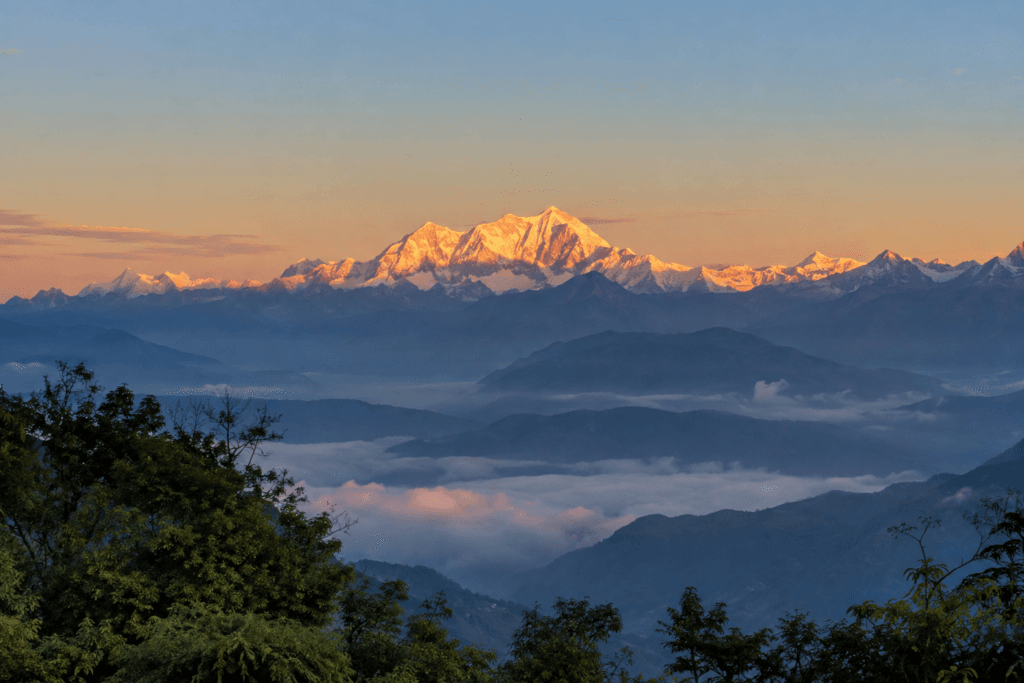
Table of Contents
- Why South Sikkim Deserves a Spot on Your Itinerary
- Top Places to Visit in South Sikkim
- Best Time to Visit South Sikkim
- How Many Days Do You Need?
- Estimated Budget
- Local Customs & Practical Tips
- Packing Essentials
- A Sample 3-Day South Sikkim Itinerary
- How to Reach South Sikkim
- Best Season to visit
- Frequently Asked Questions
Why South Sikkim Deserves a Spot on Your Itinerary
Most first-time visitors beeline straight for Gangtok and North Sikkim, treating the south as an afterthought. That’s a mistake.
South Sikkim generally offers lower-altitude destinations than many of Sikkim’s high-altitude tourist circuits, although travellers should still allow time to adjust to the mountainous terrain and changing elevations.
🔗 If you’re weighing South vs. North Sikkim, check out our Gangtok travel guide and North Sikkim itinerary guide to Yumthang Valley for the full comparison.
Top Places to Visit in South Sikkim
1. Namchi — The Cultural and Spiritual Capital
Namchi is the district headquarters and the beating heart of South Sikkim tourism.
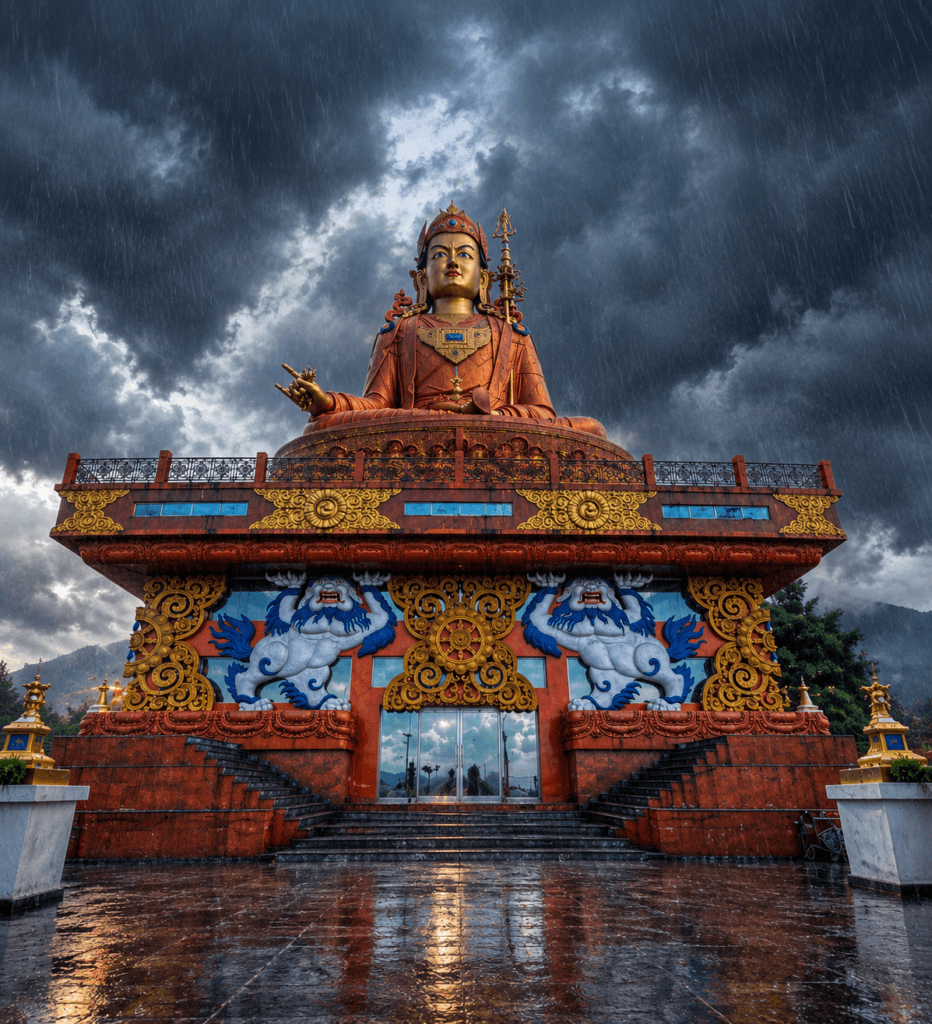
Samdruptse Hill (Statue of Guru Padmasambhava) — a 135-foot statue of Guru Rinpoche at 7,000 feet, one of the tallest of its kind in the world, with a small monastery at its base.
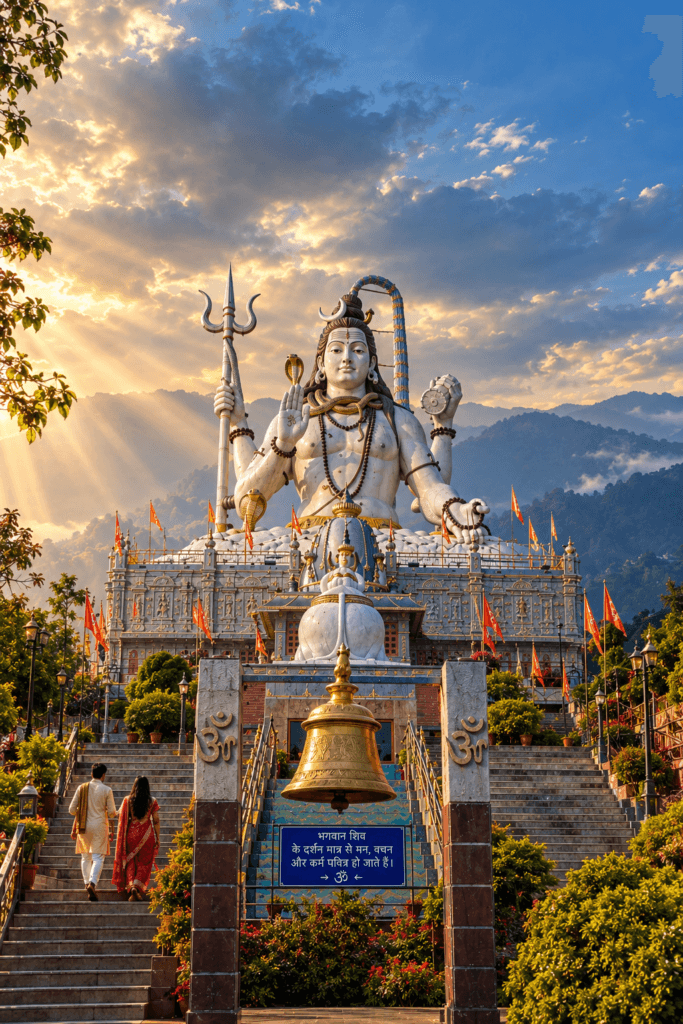
Siddheshwara Dham (Char Dham) — life-size replicas of the four sacred Hindu Dhams (Badrinath, Dwarka, Jagannath, Rameswaram), anchored by a 108-foot Shiva statue and 12 Jyotirlinga replicas on Solophok Hill.
Namchi Rock Garden and Helipad — quieter spots for an evening walk with views of the town and Kanchenjunga on clear days.
🔗 Planning to stay overnight? See our Namchi hotels and homestay guide.
2. Ravangla — Tea Gardens, Buddha Park & Mountain Views
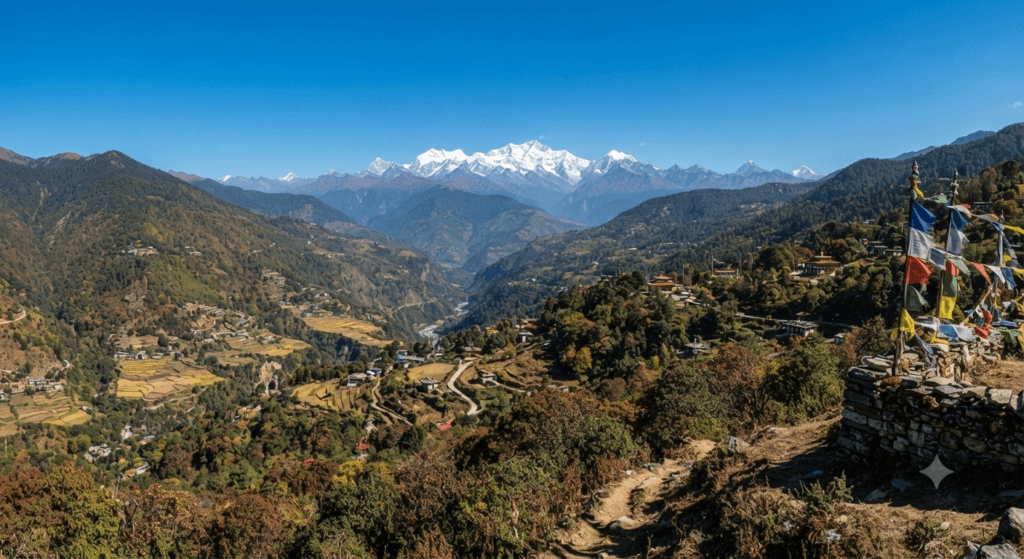
Sitting on a ridge between Maenam and Tendong Hills at ~7,000 feet, Ravangla offers unbroken views of Kanchenjunga, Pandim, Siniolchu, and Kabru.
Buddha Park (Tathagata Tsal) — a serene eco-garden centred on a 130-foot Buddha statue.
Ralang Monastery — one of Sikkim’s most important Kagyu monasteries, ~10 km from Ravangla.
Ralang Cha-Chu (Hot Springs) — a natural hot spring near Ralang, traditionally valued by locals and visitors for its warm mineral-rich waters.
🔗 Combining this with a longer trip? See our complete Sikkim tour packages.
3. Temi Tea Garden — Sikkim’s Only Tea Estate
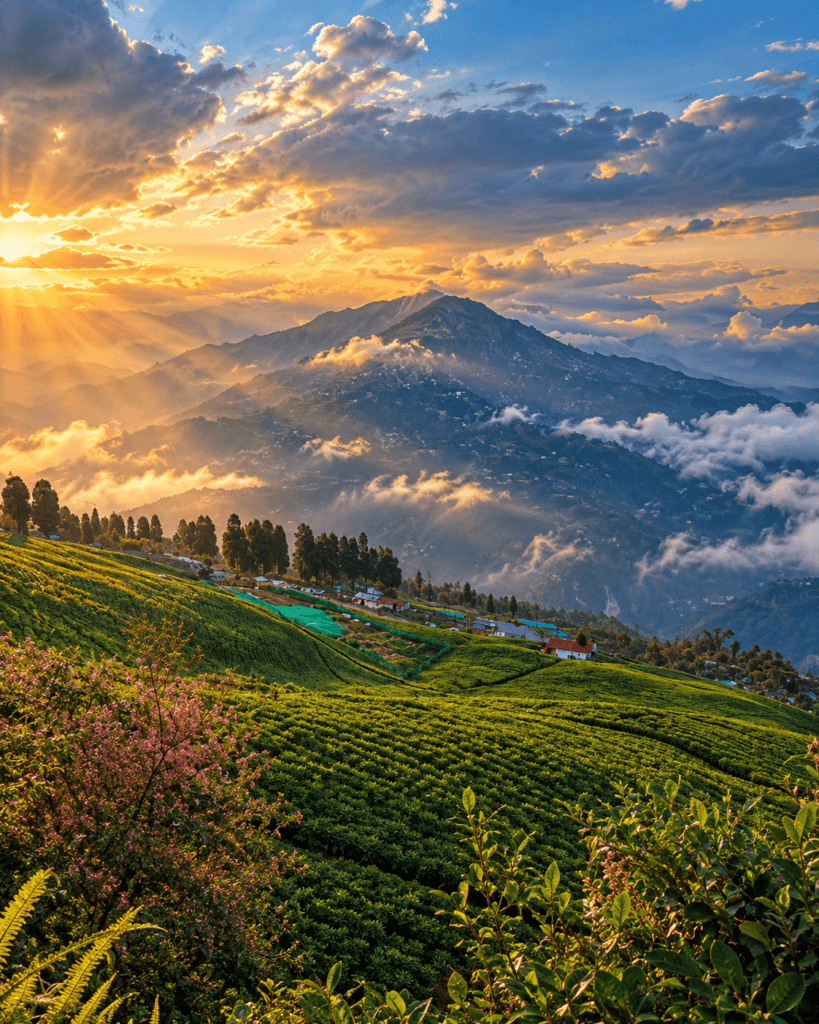
Rolling green tea terraces against a Himalayan backdrop, with a working factory tour. Pick up a pack of Temi tea, among the finest in the country, before you leave.
4. Tendong Hill — Where Legend Meets Landscape
At 8,530 feet, Tendong is sacred to the Lepcha community, tied to a mythical great-flood legend. A moderate trek rewards you with views of the Teesta River, Kanchenjunga, and the plains of Bengal.
🔗 If Tendong gets you excited about trekking, browse our Sikkim trekking guide.
5. Maenam Wildlife Sanctuary
Located around Maenam Hill, the sanctuary is known for its Himalayan forest ecosystem, birdlife and trekking opportunities. Trekking routes can require permits, so check current regulations before setting out.
6. Borong — The Offbeat Hot Spring Village
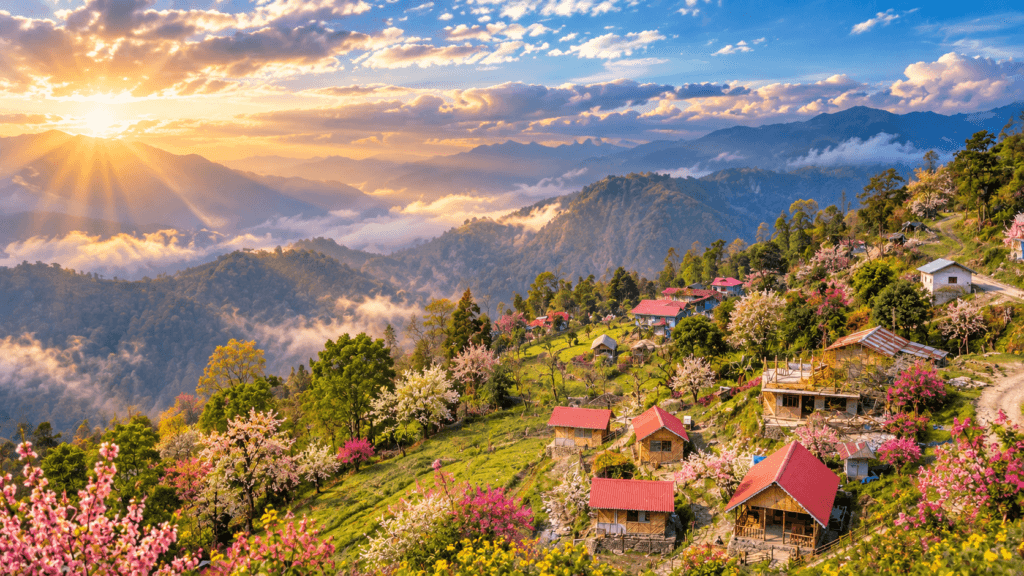
A tranquil village near Ravangla at ~5,800 feet, known for its own hot springs and Kanchenjunga views, with zero tour buses. Also a base camp for treks to Maenam Hill and Bhanjyang.
7. Jorethang and Rangeet River — For Some Adventure
Head here for river rafting, fishing, and angling on the Rangeet River. Also the main entry town if arriving from Darjeeling.
🔗 Coming from Darjeeling or planning to combine both? See our Darjeeling travel guide.
Best Time to Visit South Sikkim
| Season | Months | What to Expect |
|---|---|---|
| Autumn (best) | October – mid-December | Crystal-clear skies, best mountain visibility, festival season |
| Spring | March – May | Rhododendrons in bloom, pleasant weather |
| Winter | December – February | Cold but clear, thinner crowds, occasional light snow |
| Monsoon (avoid) | June – September | Heavy rain, landslide risk, poor visibility |
How Many Days Do You Need?
- Quick visit: 2 days (Namchi + Ravangla loop from Gangtok)
- Comfortable pace (recommended): 3–4 days, adding Temi, Tendong, and a night in Borong
- Slow travel: 5+ days, combined with Darjeeling or Kalimpong
Package-based South Sikkim tours typically start around ₹6,000–7,000 per person for a short trip.
🔗 This is where a customized South Sikkim itinerary from TripHubGo pays for itself — local knowledge saves you time and money on transport.
Local Customs & Practical Tips
- Dress modestly at monasteries and the Char Dham complex.
- Remove footwear before entering monastery prayer halls.
- Walk clockwise around stupas and prayer wheels.
- Carry cash — smaller villages may lack reliable card/UPI connectivity.
- Book your driver/car in advance during peak season (Oct–Dec).
- The main Namchi–Ravangla tourist circuit is generally straightforward for Indian visitors, but specific trekking and protected areas may require permits. Foreign visitors should check the latest Restricted Area Permit (RAP) requirements before travelling.
🔗 For a full packing checklist, see our Sikkim packing guide.
Packing Essentials
- Layered clothing
- A light rain jacket
- Comfortable trekking shoes for Tendong/Maenam
- Sunscreen and sunglasses
- A power bank
A Sample 3-Day South Sikkim Itinerary
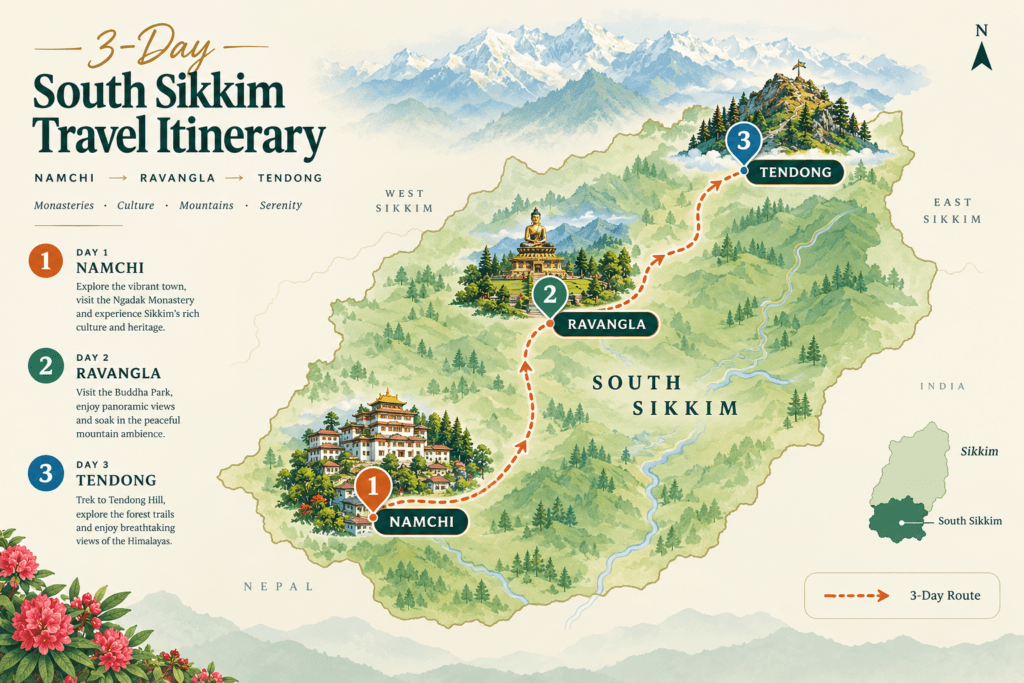
Day 1 — Gangtok to Namchi: Drive to Namchi (3–4 hrs), visit Samdruptse Hill and Siddheshwara Dham, evening at Namchi Rock Garden.
Day 2 — Namchi to Ravangla: Morning drive via Temi Tea Garden (tour + tea tasting). Afternoon at Buddha Park, evening at Ralang Monastery.
Day 3 — Ravangla to Tendong/Borong: Half-day Tendong trek, then unwind at Borong’s hot springs before heading to Gangtok or Darjeeling.
Start early from Ravangla for the Tendong area and allow sufficient time for the trek. After the hike, continue towards Borong for a relaxed village experience and hot springs. Depending on your onward journey, stay overnight in South Sikkim or continue towards Gangtok/Darjeeling if road and travel conditions permit.
🔗 Want this itinerary built around your exact dates and group size? Get a free custom itinerary from our travel experts.
How to Reach South Sikkim
- By Air: Bagdogra Airport is one of the main gateways for travellers arriving by air, while Pakyong Airport provides another option depending on flight availability.
- By Train: New Jalpaiguri (NJP) is the major railway gateway. From NJP/Siliguri, travellers can continue by taxi or bus towards South Sikkim.
- By Road: Namchi and Ravangla are connected by road with Siliguri, Gangtok and other parts of Sikkim. Private taxis and shared vehicles are commonly used for local travel.
- Travel times can vary considerably depending on weather, traffic and road conditions, so it is advisable to avoid planning tightly timed connections.
Best season to visit
| Season | Months | What to expect |
|---|---|---|
| Autumn | Oct–mid Dec | Clear mountain views and generally pleasant sightseeing |
| Spring | Mar–May | Mild weather, greenery and flowering landscapes |
| Winter | Dec–Feb | Cold, quieter conditions and clear days |
| Monsoon | Jun–Sep | Frequent rain, cloud cover and possible road disruption |
For clear mountain views, autumn is generally a good period; spring is particularly attractive for greenery and flowering landscapes.
Frequently Asked Questions
Do I need a permit to visit South Sikkim?
The main tourist circuit covering places such as Namchi and Ravangla is generally accessible to Indian visitors without the protected-area permits required for destinations such as Nathula or North Sikkim. However, trekking and protected areas can have separate permit requirements. Foreign visitors should check the latest RAP requirements before travelling.
What is the best time to visit South Sikkim?
October to mid-December, followed by March to May. Avoid June to September due to monsoon rains and landslide risk.
Is South Sikkim good for families and senior citizens?
Yes — it’s the most senior- and family-friendly region of Sikkim, thanks to moderate altitude, smooth roads, short distances between attractions, and a low-crowd atmosphere.
How many days should I spend in South Sikkim?
A comfortable trip takes 3–4 days, covering Namchi, Ravangla, Temi Tea Garden, and Tendong Hill.
Is South Sikkim suitable for first-time visitors?
Yes. Namchi and Ravangla are relatively straightforward destinations to include in a Sikkim itinerary, with established tourist infrastructure, accommodation and road connections. Travellers should still allow extra time for mountain-road conditions.
Is South Sikkim suitable for foreign tourists?
Yes, but foreign visitors should check the latest Sikkim Restricted Area Permit requirements before travelling. Sikkim Tourism currently lists Namchi and Ravangla among the South District destinations open to foreign tourists under the applicable RAP system.
Ready to Explore South Sikkim?
South Sikkim isn’t the loudest name on the Northeast India travel map — and that’s exactly its charm. It’s where the Himalayas feel personal rather than performative.
Have you been to Namchi or Ravangla already? Drop your questions or memories in the comments — and if you’d rather skip the planning and just show up, let TripHubGo build you a customized South Sikkim itinerary.