
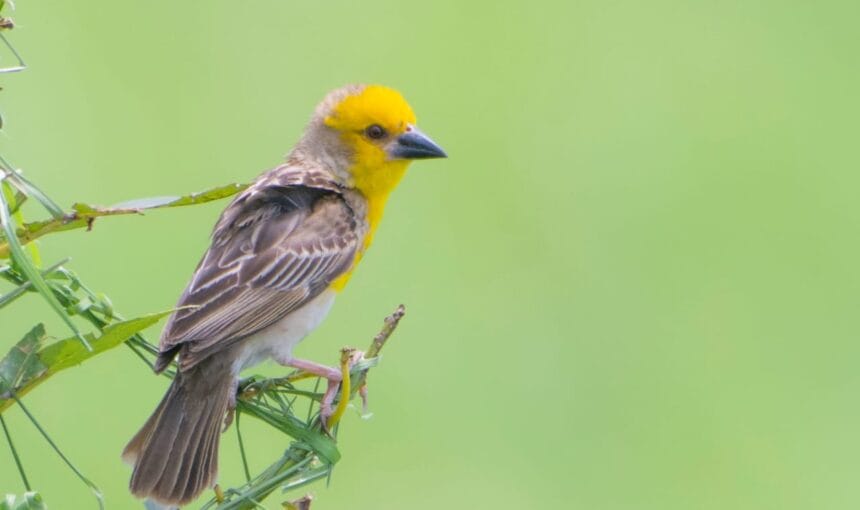
Assam is one of India’s most rewarding destinations for wildlife photography. Its grasslands, tropical forests, wetlands, rivers and Himalayan foothills support a remarkable variety of animals and birds.
From the iconic one-horned rhinoceros of Kaziranga to the rainforest landscapes of Dehing Patkai, Assam offers opportunities for wildlife, bird, landscape and nature photography.
If you are planning a photography-focused journey, these are some of the best places for wildlife photography in Assam.
Table of Contents
- Kaziranga National Park
- Manas National Park
- Pobitora Wildlife Sanctuary
- Nameri National Park
- Dibru-Saikhowa National Park
- Dehing Patkai National Park
- Orang National Park and Tiger Reserve
- Hoollongapar Gibbon Wildlife Sanctuary
- Deepor Beel
- Laokhowa–Burhachapori Wildlife Sanctuary
- Best Time for Wildlife Photography in Assam
- Essential Photography Equipment
- Wildlife Photography Ethics
- Final Thoughts
1. Kaziranga National Park
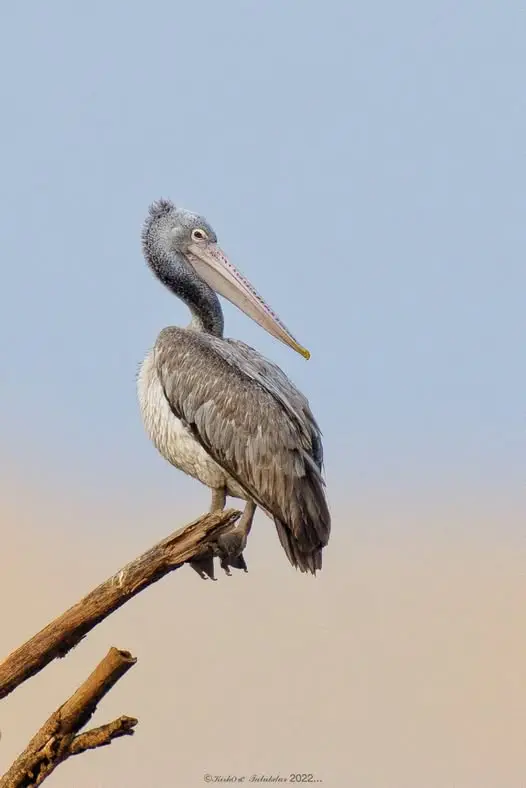
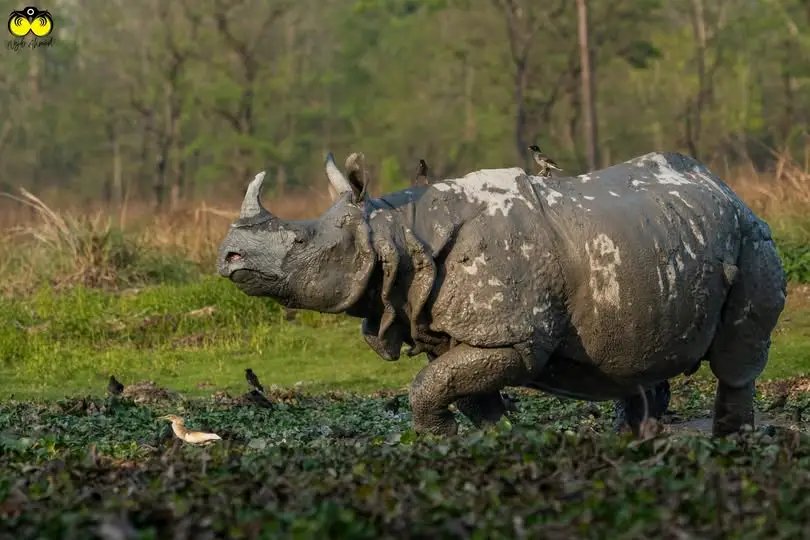
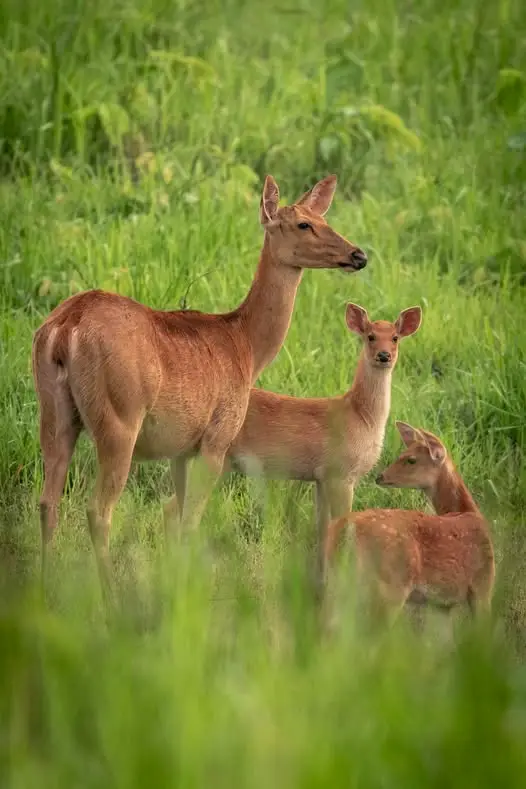
Kaziranga National Park is one of Assam’s most famous wildlife photography destinations. It is particularly known for the Indian One-horned Rhinoceros, but the park also supports elephants, wild water buffaloes, swamp deer, tigers and numerous bird species.
Its landscape includes tall grasslands, wetlands, forest patches and riverine areas. This variety creates excellent photographic opportunities during early-morning and afternoon safaris.
Photography highlights
- Indian one-horned rhinoceros
- Asian elephants
- Swamp deer
- Wild water buffaloes
- Tigers, with patience and luck
- Grassland and wetland birds
- Riverine landscapes
Best for: Rhino photography, wildlife portraits, grassland scenes and bird photography.
2. Manas National Park
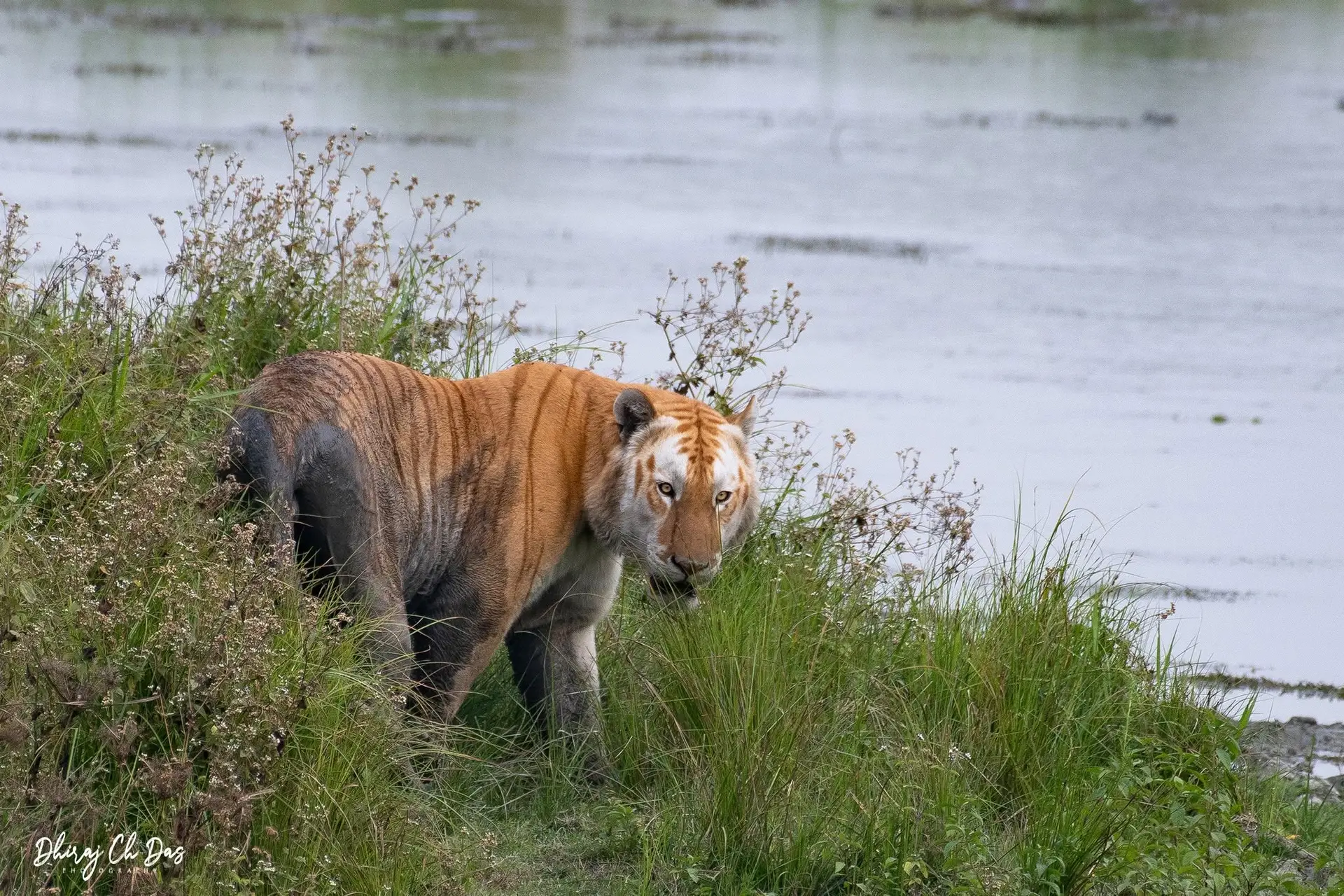
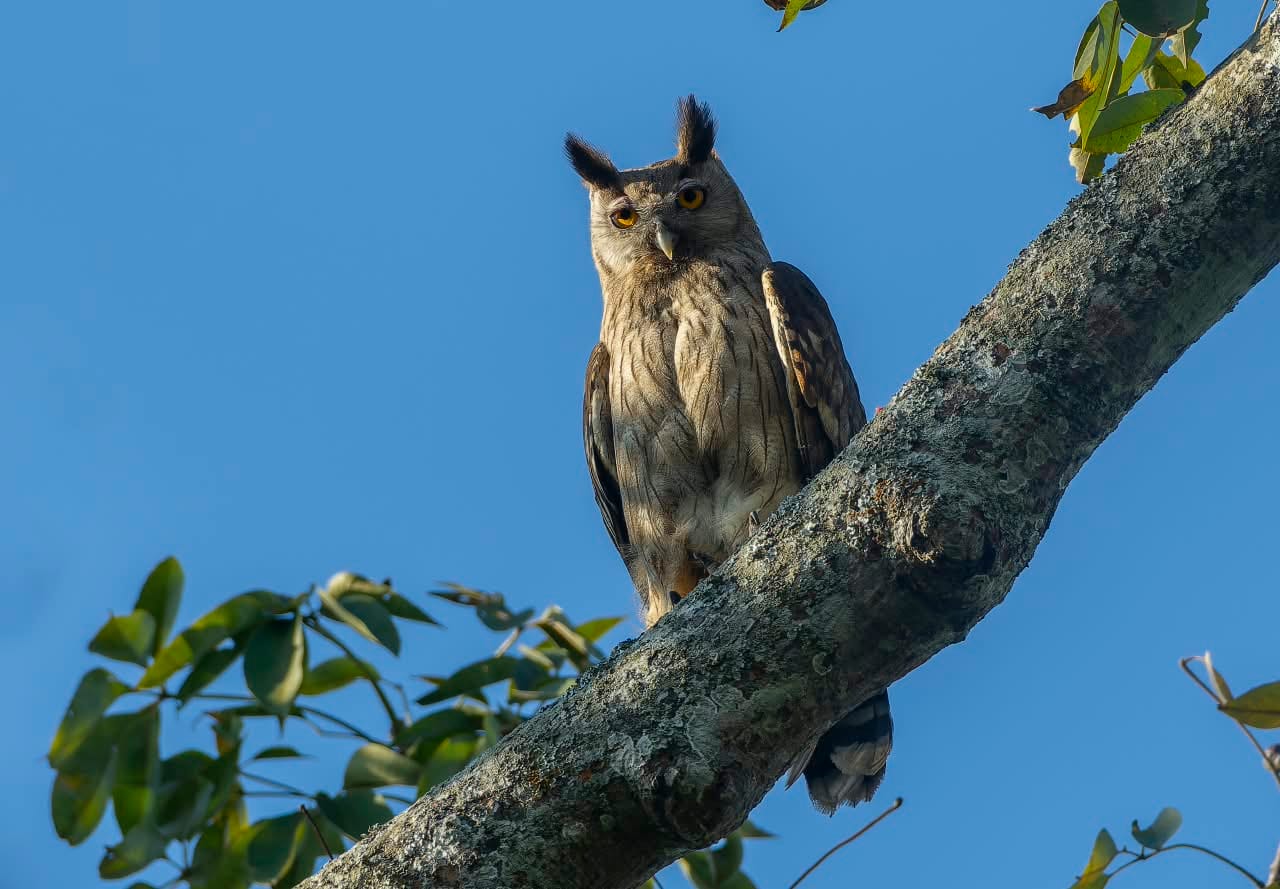
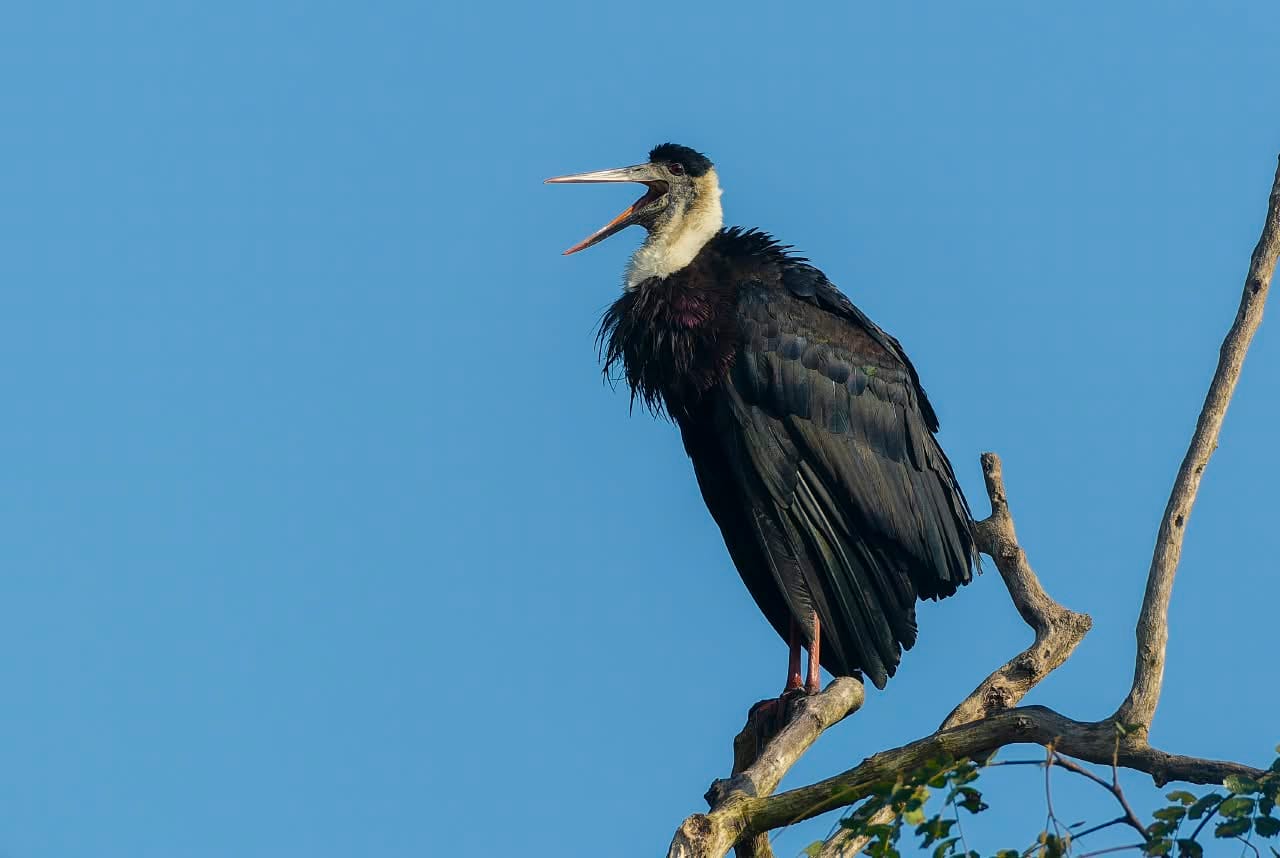
Manas National Park lies near the Bhutanese foothills and combines rich biodiversity with beautiful scenery. Its forests, grasslands, rivers and Himalayan backdrop make it ideal for photographers who want both wildlife and landscape images.
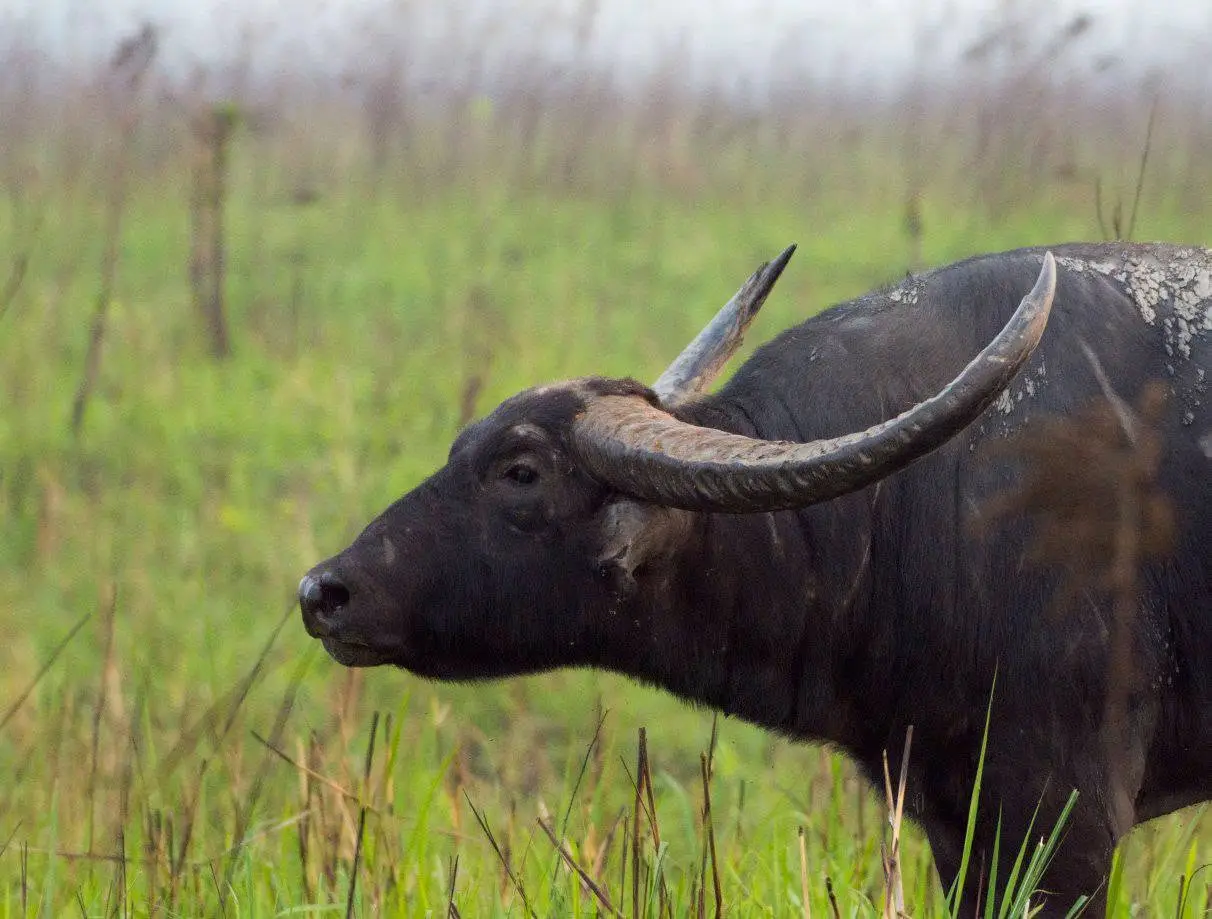
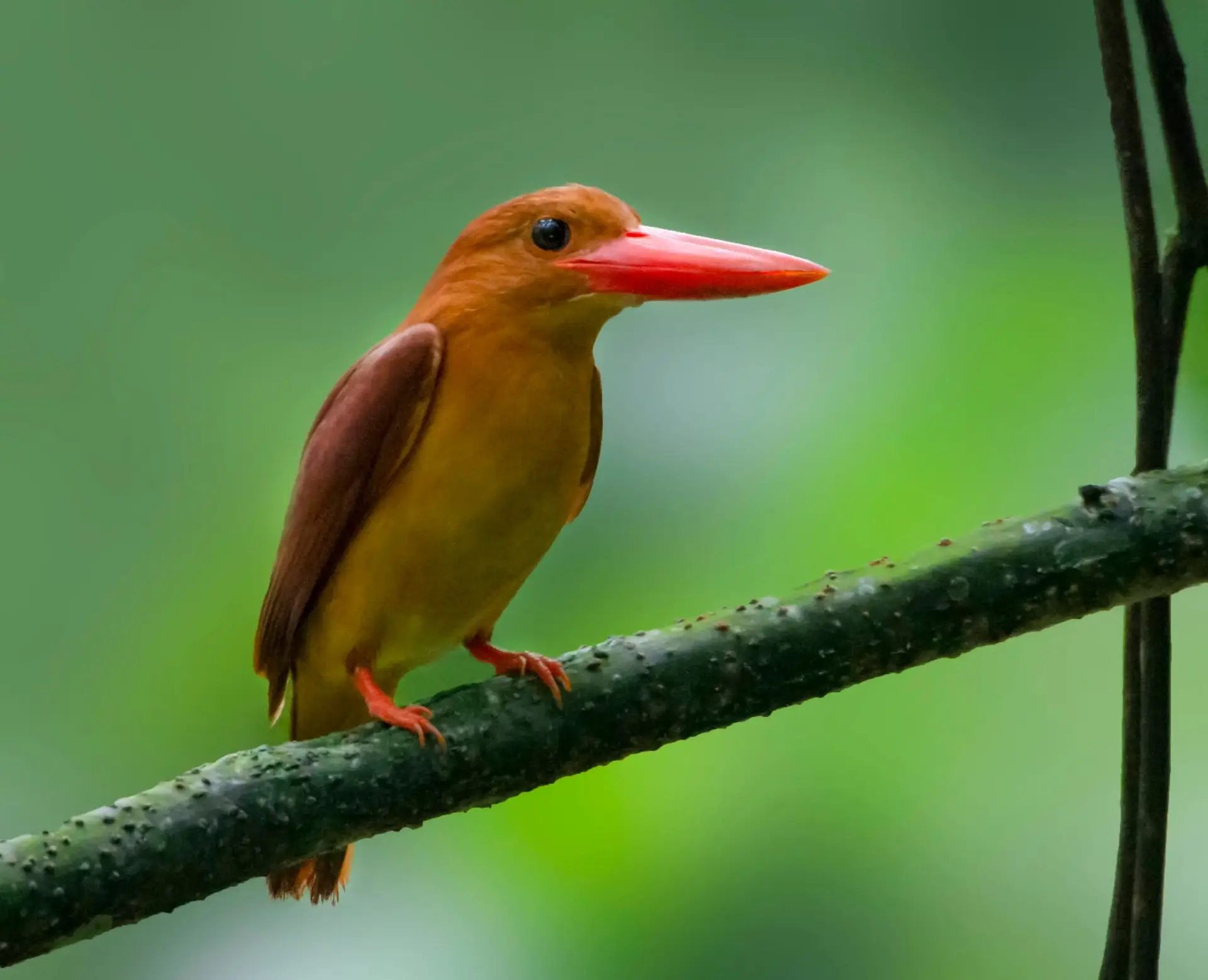
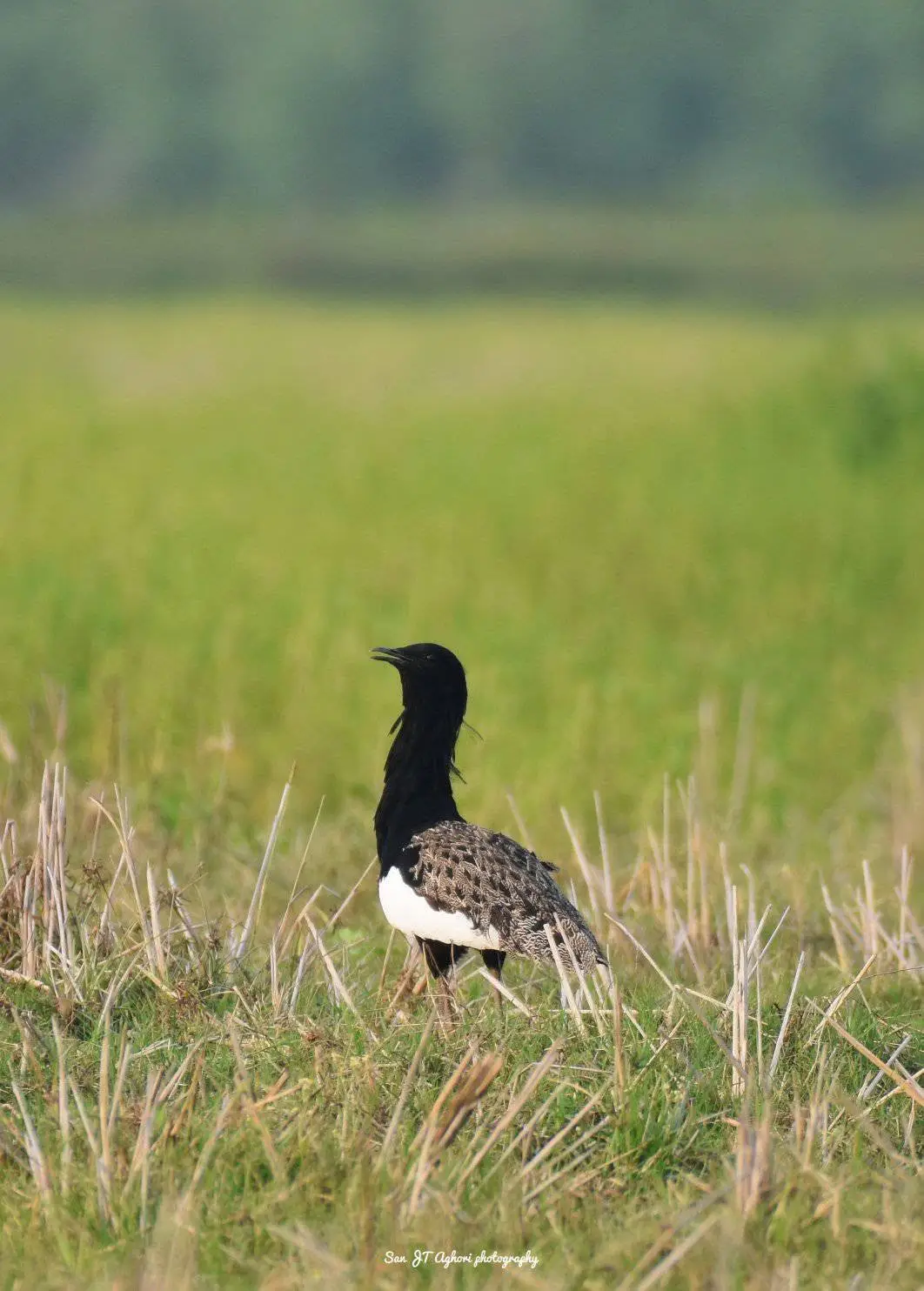
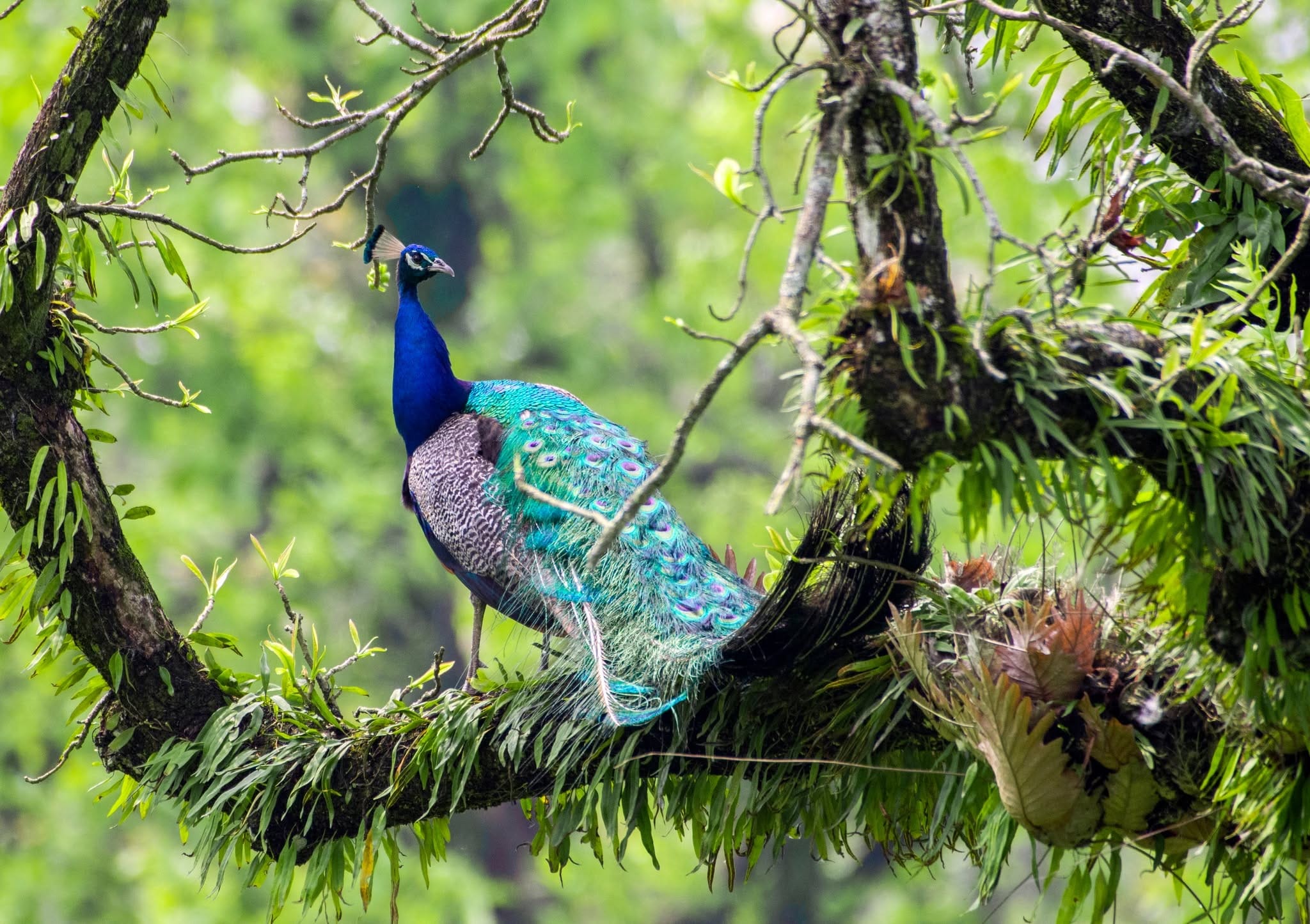
The park is home to Elephants, Tigers, Leopard especially Black Panthers, Wild water Buffaloes, Golden Langurs, Rhinoceroses, Bengal Florican and several rare species. It is also known for its birdlife and peaceful natural surroundings.
Photography highlights
- Golden langurs
- Asian elephants
- Wild water buffaloes
- Rhinoceroses
- Forest and grassland birds
- Himalayan foothill landscapes
Spending more than one day in the area can improve your chances of experiencing different safari routes and changing light conditions.
Best for: Wildlife portraits, rare species, scenic landscapes and birdwatching.
3. Pobitora Wildlife Sanctuary
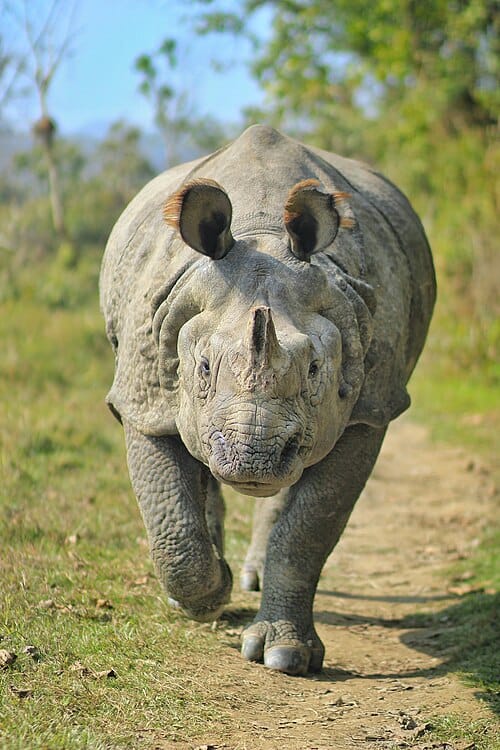
Pobitora Wildlife Sanctuary is a convenient choice for travellers who want to photograph rhinoceroses without travelling too far from Guwahati.
The sanctuary is known for its high concentration of Indian one-horned rhinoceroses. Its grasslands and wetlands also attract birds and other wildlife, making it suitable for a short wildlife photography trip.
Photography highlights
- One-horned rhinoceroses
- Waterbirds
- Grassland scenery
- Deer and buffaloes
- Wetland landscapes
Start early for softer light and increased wildlife activity. Use a telephoto lens where possible and never move too close to animals.
Best for: Short wildlife trips, Rhino photography and beginners.
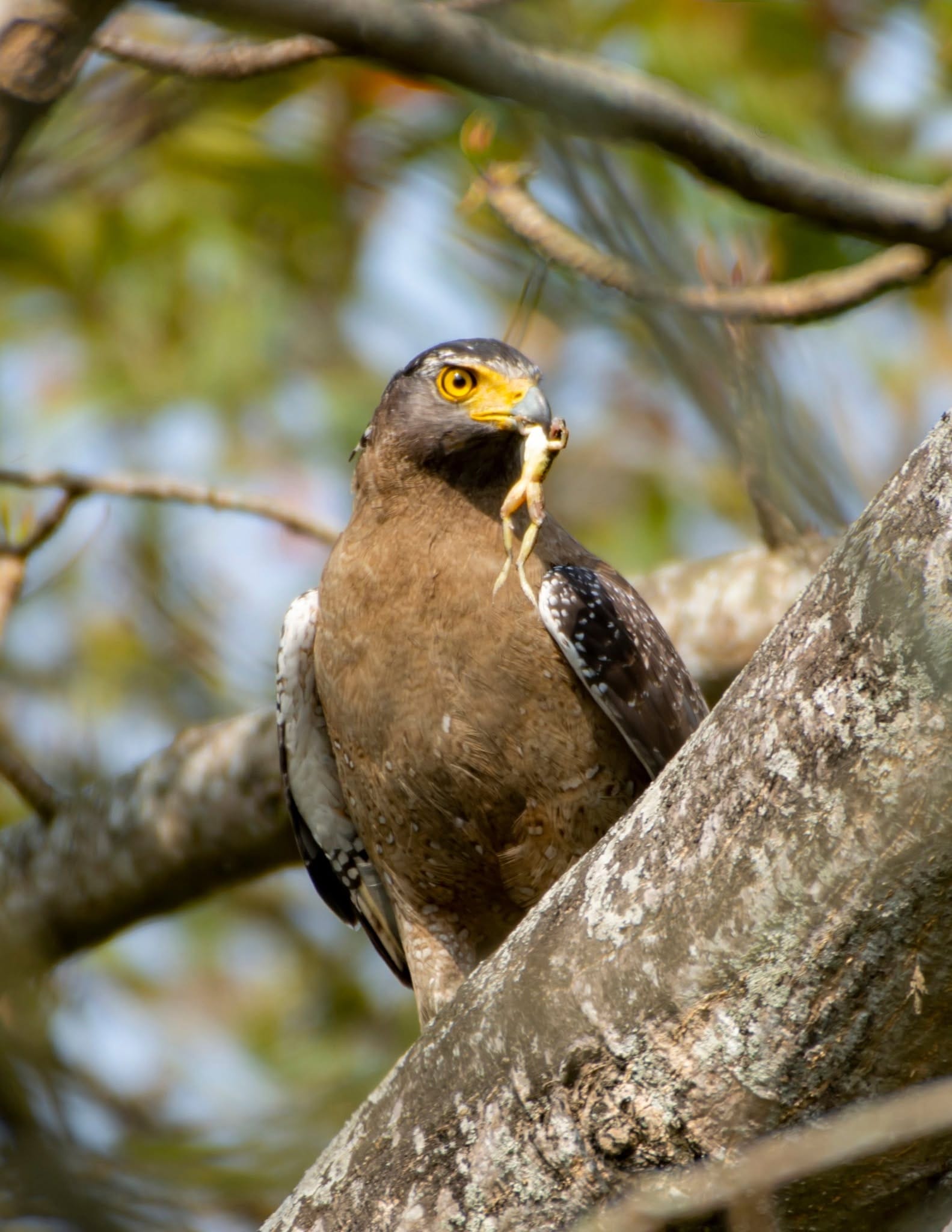
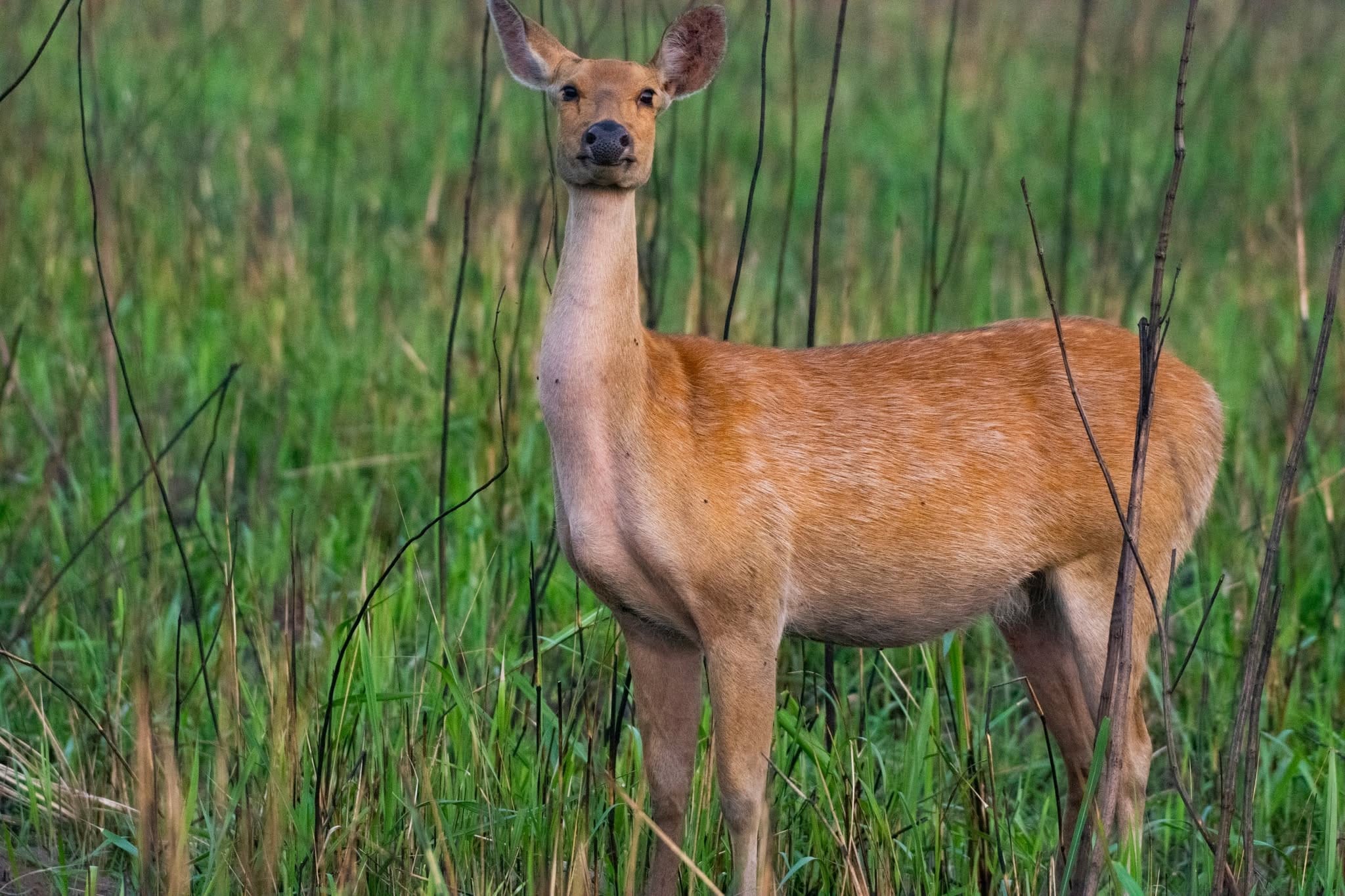
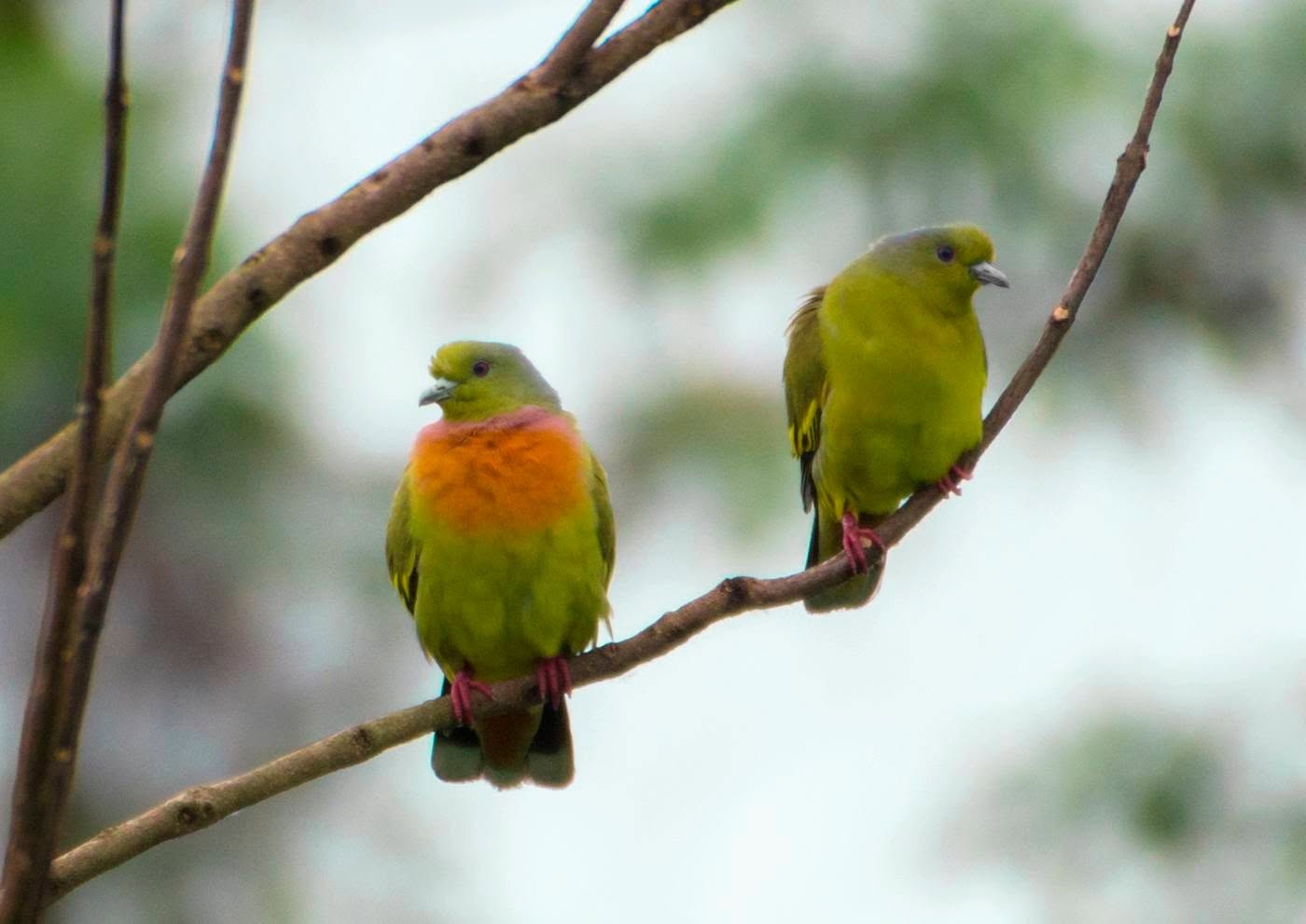
4. Nameri National Park
Nameri National Park lies near the Eastern Himalayan foothills and offers a combination of forests, rivers, and bird-rich habitats.
The Jia Bhoroli River and surrounding forests create beautiful compositions involving flowing water, green vegetation and mountain scenery. Guided activities may be available depending on local rules and conditions. You have one the best sightings of Assam State Bird White Winged Wood Duck in Nameri National Park.
Photography highlights
- Hornbills
- River birds
- Forest birds
- Butterflies
- River landscapes
- Forest textures
Bird photography in Nameri requires patience. Carry binoculars, remain quiet and allow enough time for observation. Nameri is one of the best destinations in Assam for an exciting river-rafting experience, especially along the scenic Jia Bhoroli River.
Best for: Bird photography, river landscapes and forest photography.
5. Dibru-Saikhowa National Park
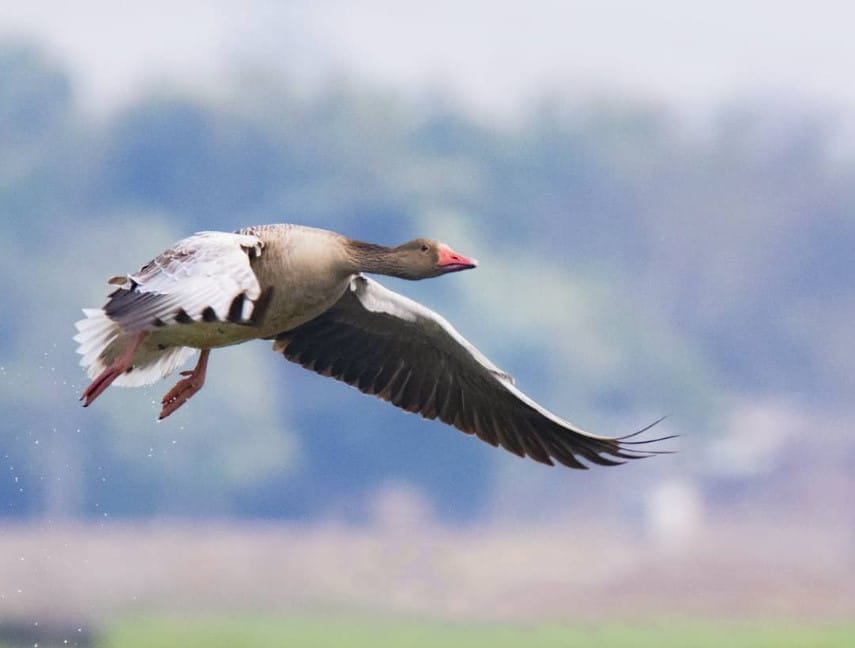
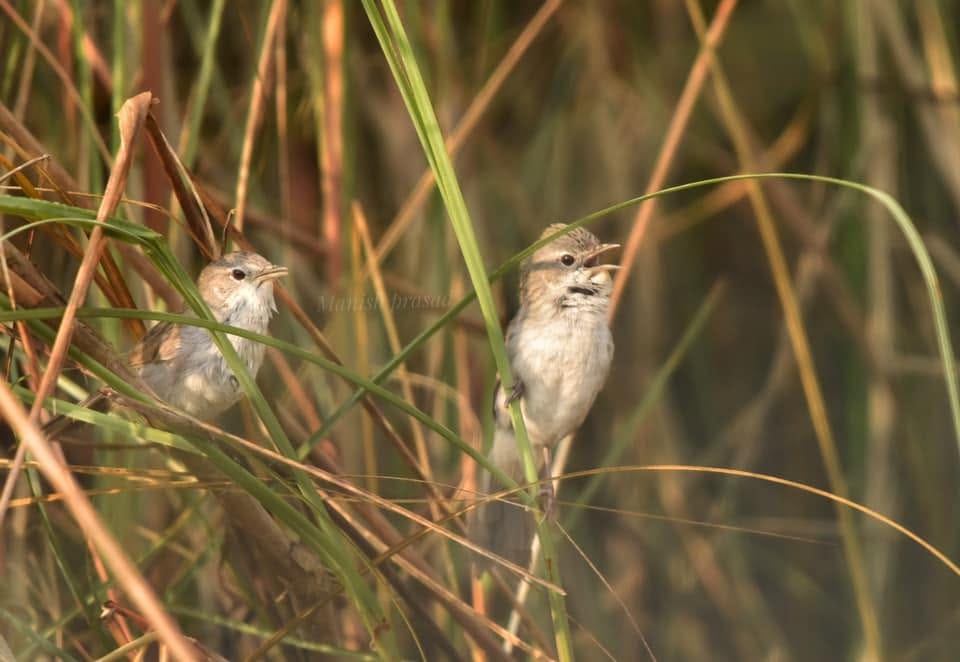
Dibru-Saikhowa National Park is a distinctive riverine and wetland ecosystem in eastern Assam.
Its grasslands, forests, wetlands and waterways support many bird species and other wildlife. The destination is especially suitable for photographers who enjoy environmental images rather than only close-up animal portraits.
Photography highlights
- Wetland birds
- Riverine landscapes
- Grassland wildlife
- Forest scenes
- Migratory birds
- Reflections and sunsets
A local guide can help you understand the landscape and identify suitable observation areas.
Best for: Bird photography, wetlands, landscapes and nature storytelling.
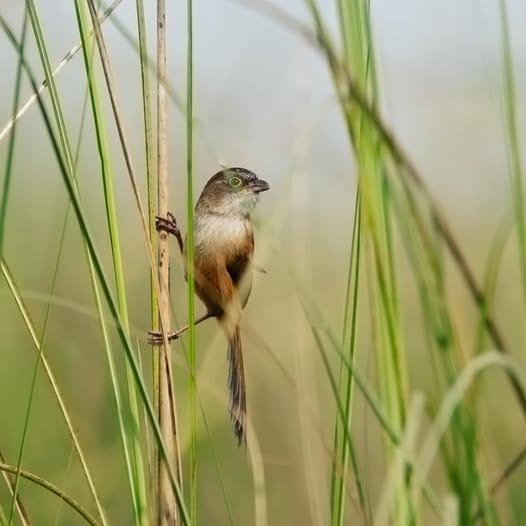
6. Dehing Patkai National Park
Dehing Patkai National Park protects an important tropical rainforest ecosystem.
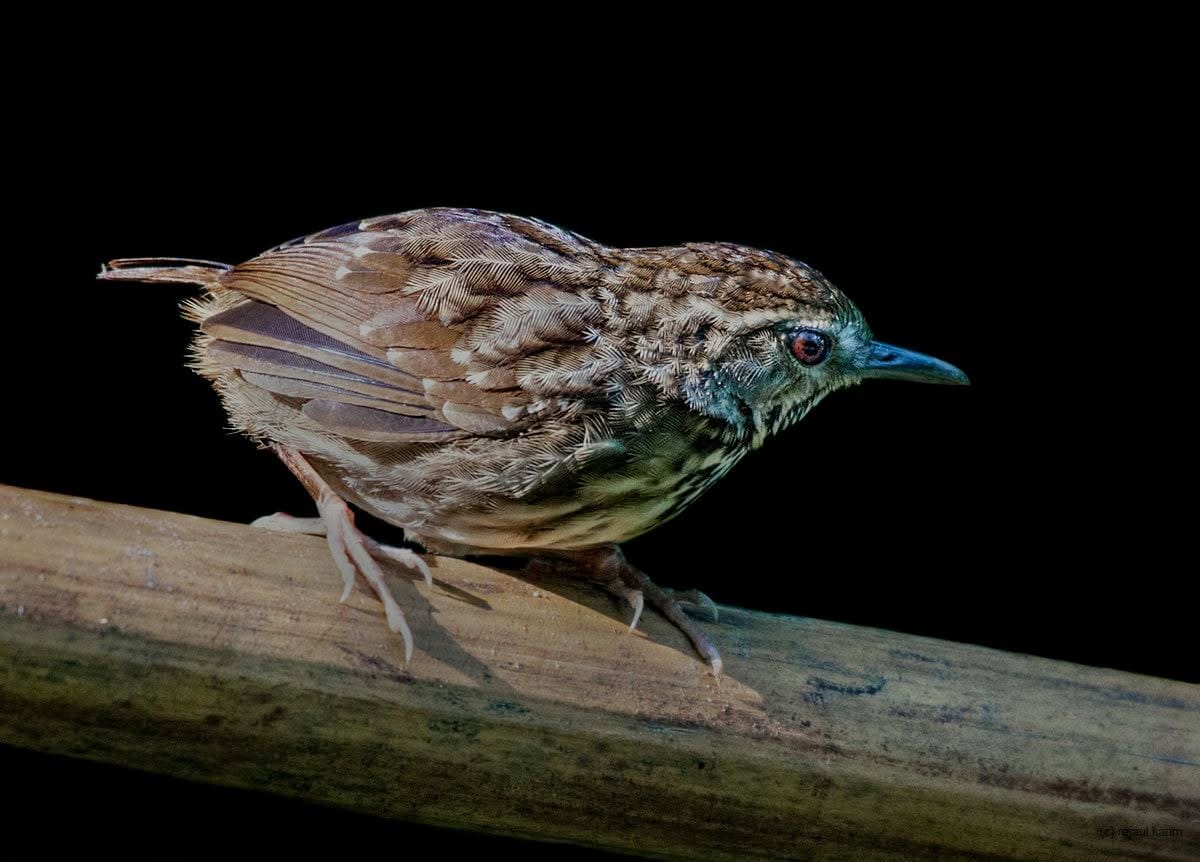
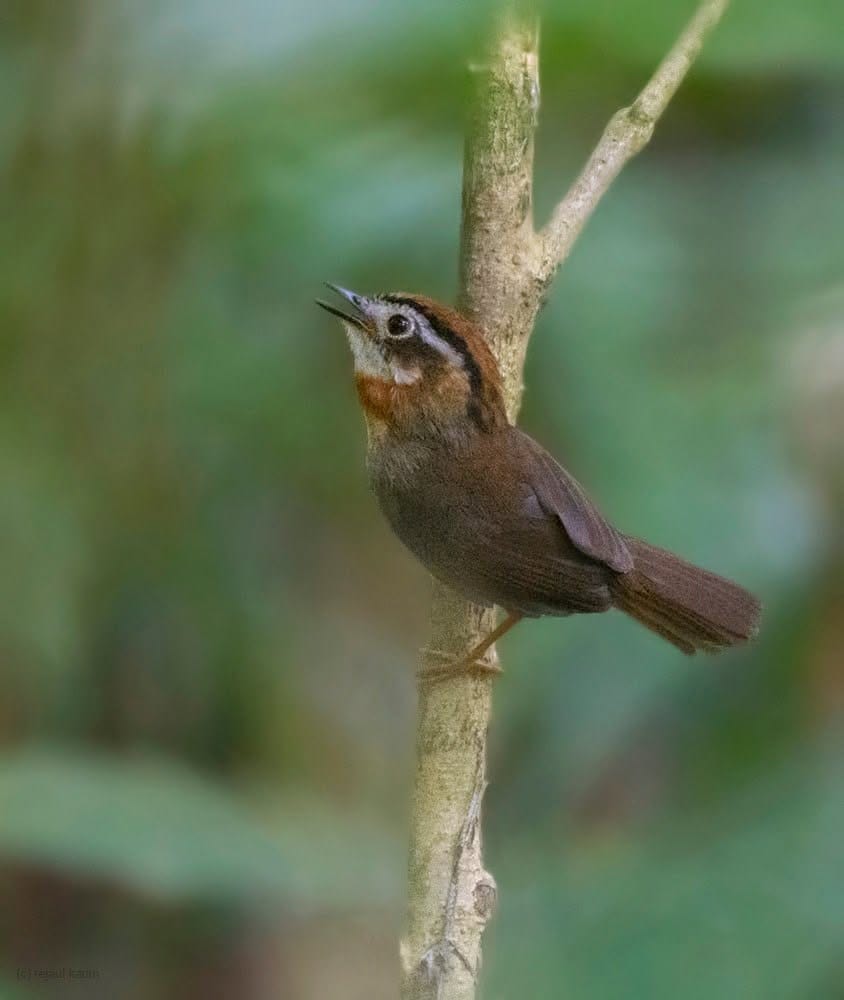
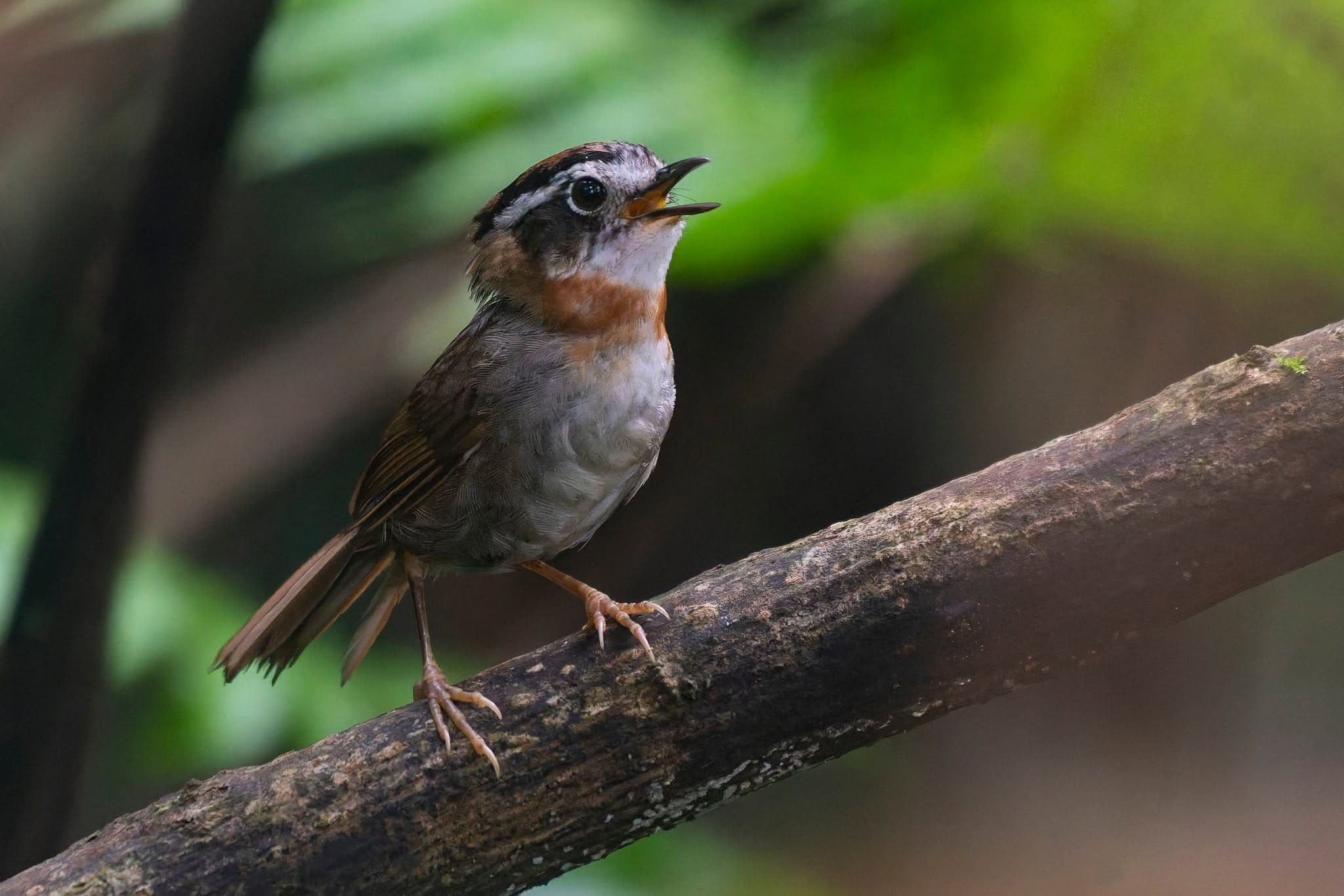
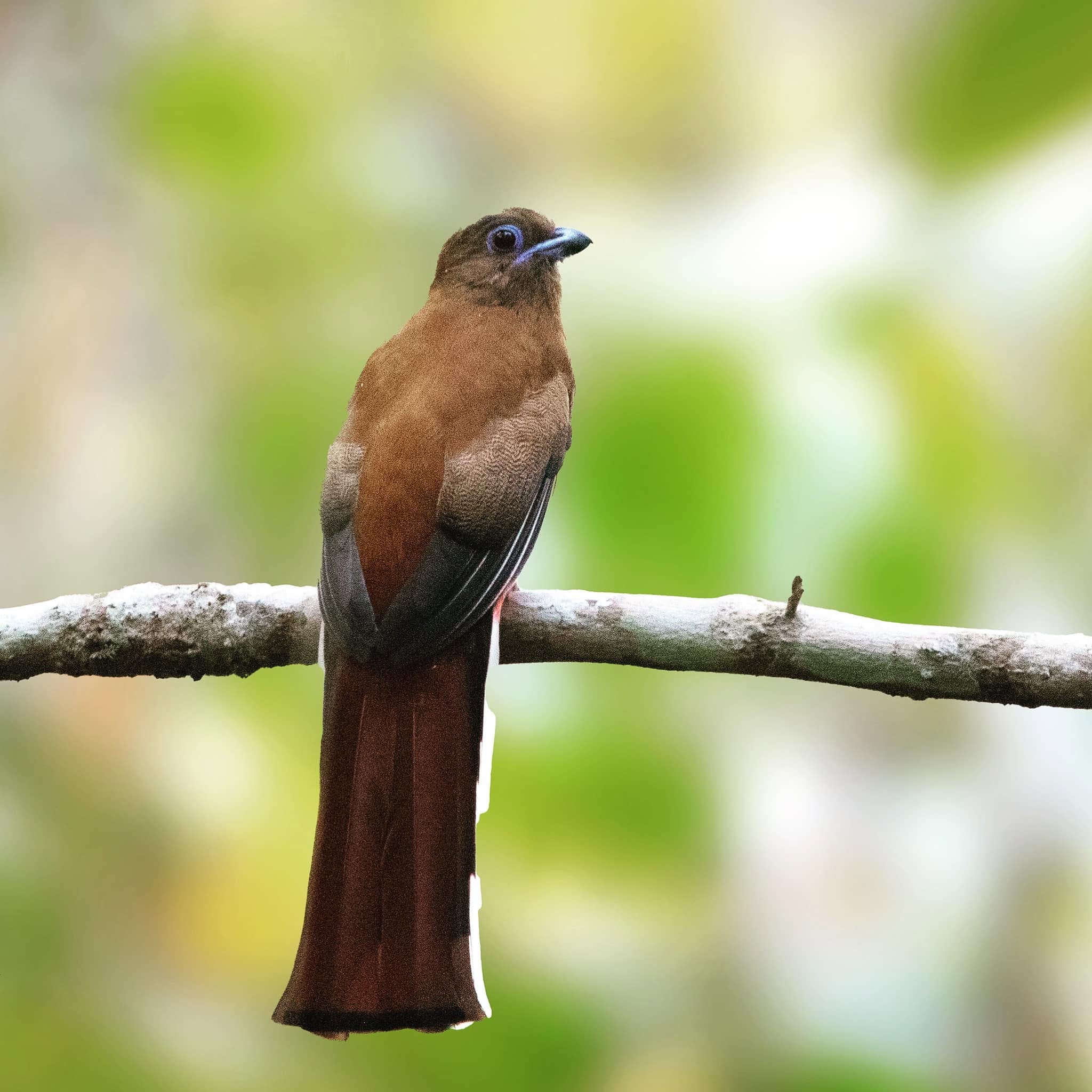
The dense evergreen forest, streams, orchids, insects and birdlife offer a different photography experience from the open grasslands of Kaziranga. Wildlife may be harder to spot in thick forest, but the environment itself is highly photogenic.
Photography highlights
- Forest birds
- Butterflies and insects
- Orchids and plants
- Rainforest trails
- Streams and natural textures
- Atmospheric forest landscapes
Because rainforest ecosystems are sensitive, visitors should use authorised routes and avoid disturbing plants or animals.
Best for: Rainforest photography, macro photography and biodiversity images.
7. Orang National Park and Tiger Reserve
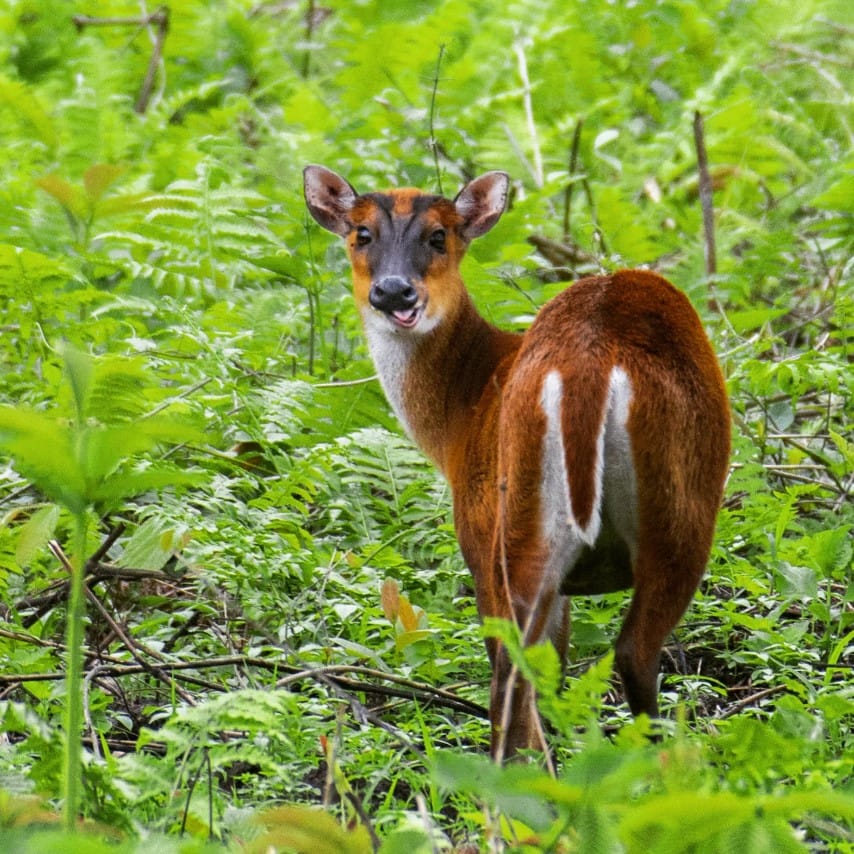
Orang National Park lies on the northern bank of the Brahmaputra. Its grasslands, wetlands and forest areas support rhinoceroses, deer, elephants, birds and other wildlife.
Orang can be a good option for photographers seeking a quieter alternative to some of Assam’s more famous wildlife destinations.
Photography highlights
- Rhinoceroses
- Hog deer
- Elephants
- Waterbirds
- Grassland scenes
- Wetland landscapes
Plan your visit according to official opening dates, safari availability and local weather conditions.
Orang National Park in Assam is renowned for its remarkable tiger density, with preliminary census estimates recording approximately 35.44 tigers per 100 square kilometers—one of the highest figures in India.
Best for: Grassland wildlife, birds and peaceful safari photography.
8. Hoollongapar Gibbon Wildlife Sanctuary
Hoollongapar Gibbon Wildlife Sanctuary is known for its hoolock gibbons, the only ape species found in India.
Located in Assam, Hoollongapar Gibbon Wildlife Sanctuary is a wonderful destination for butterfly photography, birdwatching, and exploring the rich biodiversity of Assam.
The sanctuary’s evergreen forest provides a unique setting for photographing primates and forest wildlife. Photographing animals in dense forest can be challenging because of low light, branches and movement.
Hoollongapar Gibbon Wildlife Sanctuary is an excellent destination for butterfly photography, offering diverse species amid its lush evergreen forests and rich biodiversity.
Photography highlights
- Hoolock gibbons
- Capped langurs
- Forest birds
- Tree canopies
- Forest textures and light patterns
Visitors should maintain a respectful distance and follow sanctuary instructions. Do not make loud noises or try to attract animals.
Best for: Primate photography, forest wildlife and nature enthusiasts.
9. Deepor Beel
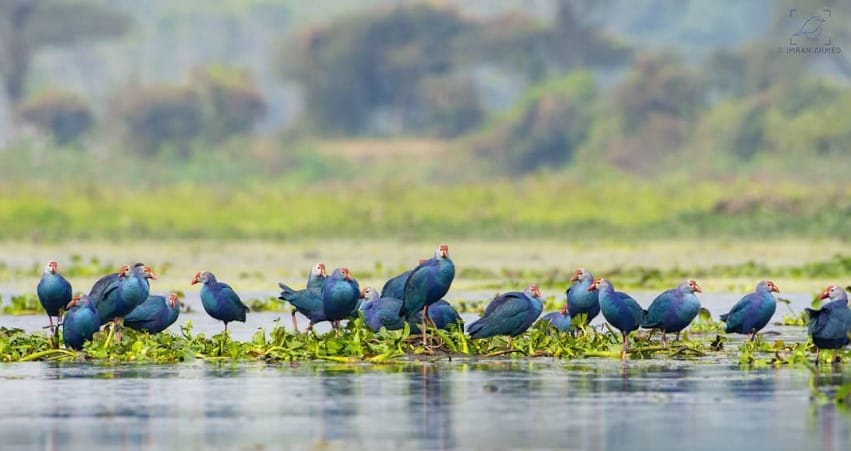
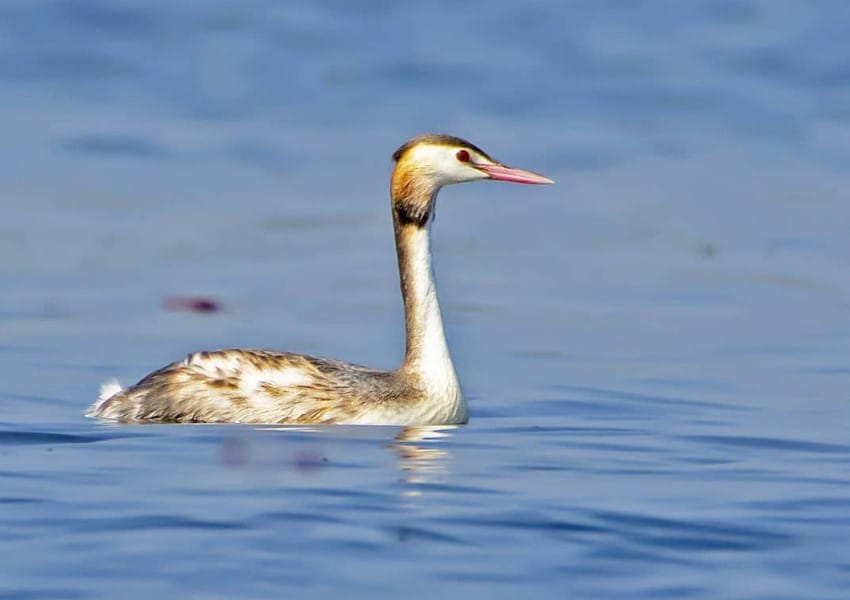
Deepor Beel is an important wetland and a valuable location for bird photography.
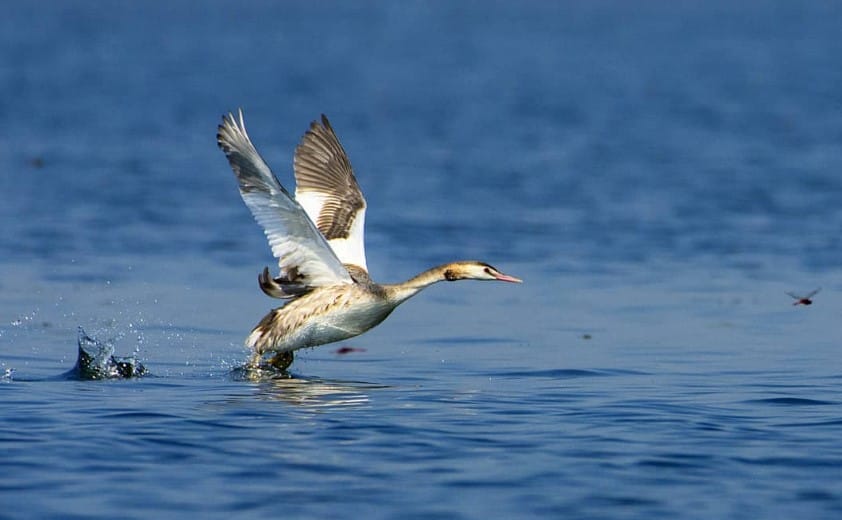
Its open water, grassland edges and surrounding landscape create opportunities for photographing birds in flight, feeding behaviour and natural habitat. Early morning can offer soft light, reflections and active bird movement.
Photography highlights
- Resident waterbirds
- Migratory birds
- Birds in flight
- Wetland landscapes
- Reflections and sunsets
- Rural life around the wetland
Use a long lens for birds and avoid entering sensitive wetland areas without permission.
Best for: Bird photography, wetlands and sunrise landscapes.
10. Laokhowa–Burhachapori Wildlife Sanctuary
Laokhowa–Burhachapori Wildlife Sanctuary is a protected landscape associated with the Brahmaputra river system.
It includes grasslands, forests, wetlands and riverine scenery, creating varied opportunities for wildlife and landscape photography. The area is associated with rhinoceroses, elephants, wild water buffaloes, deer and many bird species.
Photography highlights
- Rhinoceroses and deer
- Wetland birds
- River landscapes
- Grasslands
- Forest trails
- Sunsets over the Brahmaputra
Check current access arrangements and local conditions before planning a visit.
Best for: Wildlife, river landscapes and environmental photography.
Best Time for Wildlife Photography in Assam
October to April
This is generally a favourable period for wildlife trips, comfortable travel and many birdwatching activities. Winter can be especially good for migratory birds and clear landscape views.
Early morning
Early morning is often the best time for photography because the light is softer and many animals are more active.
Late afternoon
The warm light before sunset can create attractive photographs of grasslands, rivers, forests and wildlife silhouettes.
Always check the latest park opening dates, safari schedules, weather and access rules before travelling.
Essential Photography Equipment
You do not need the most expensive equipment to enjoy wildlife photography, but a few items can improve your experience:
- Camera with a suitable telephoto lens
- Extra batteries and memory cards
- Binoculars
- Lens cleaning cloth
- Rain protection
- Comfortable neutral-coloured clothing
- Tripod or monopod, where permitted
- Notebook for recording species and locations
For bird photography, a longer focal length is helpful. For landscapes and environmental portraits, a wide-angle lens can be useful.
Wildlife Photography Ethics
Responsible photography is essential in protected areas.
- Maintain a safe distance from animals.
- Never feed or call wildlife.
- Do not use flash when it may disturb animals.
- Avoid loud conversations and sudden movements.
- Stay inside authorised safari vehicles or designated paths.
- Follow the instructions of guides and forest officials.
- Do not block roads or approach animals for a better photograph.
- Avoid sharing sensitive locations of rare species publicly.
- Take all waste back with you.
A good wildlife photograph should document nature without harming it.
Plan a Wildlife Photography Trip with TripHubGo
Assam can be combined with other Northeast India destinations for a longer nature and photography holiday. Depending on your interests, you can include wildlife safaris, birdwatching, forest experiences, cultural visits and scenic landscapes in one customized itinerary.
Explore customized Northeast India tour packages with TripHubGo and plan a journey suited to your photography interests, travel dates and preferred destinations.
Final Thoughts
Assam offers much more than a single wildlife experience. Kaziranga is ideal for rhinoceros photography, Manas combines wildlife with Himalayan scenery, Nameri and Dibru-Saikhowa are excellent for birdwatchers, while Dehing Patkai offers the atmosphere of a tropical rainforest.
By choosing the right season, allowing enough time and following responsible photography practices, you can create a memorable visual record of Assam’s remarkable natural heritage.
Explore Assam with TripHubGo and discover the wildlife, landscapes and natural beauty of Northeast India.
Frequently Asked Questions (FAQs)
What is Hoollongapar Gibbon Wildlife Sanctuary famous for?
It is famous for its rich biodiversity, butterfly photography, birdwatching, and rare hoolock gibbons.
Where is Hoollongapar Gibbon Wildlife Sanctuary located?
It is located near Mariani in the Jorhat district of Assam.
Why is the sanctuary popular among photographers?
Its lush evergreen forests and diverse butterfly and bird species make it ideal for nature photography.
What is the best time for butterfly photography?
The early morning hours are generally best, when butterflies are more active and easier to photograph.
Can visitors spot birds inside the sanctuary?
Yes, the sanctuary supports a variety of forest birds, making it a popular birdwatching destination.
What makes the sanctuary ecologically important?
It protects one of Assam’s remaining lowland evergreen forest habitats.
Is the sanctuary suitable for nature lovers?
Yes, it is an excellent destination for wildlife enthusiasts, photographers, and nature lovers.
What should visitors carry for butterfly photography?
Visitors should carry a camera, macro lens, comfortable walking shoes, drinking water, and insect repellent.
Are guided visits available at the sanctuary?
Guided visits may be available through local forest authorities or approved tour operators.
How can visitors help protect the sanctuary?
Visitors should avoid littering, maintain silence, stay on designated paths, and never disturb wildlife.