
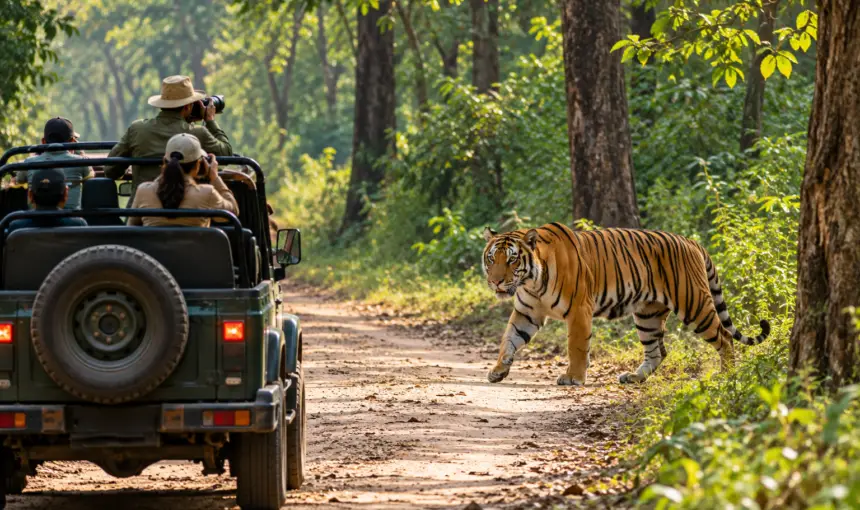
Choosing between Manas vs Kaziranga is one of the biggest decisions travelers face while planning an Assam itinerary. Both national parks are UNESCO World Heritage Sites, both offer incredible wildlife experiences, and both showcase a different side of Northeast India’s natural beauty.
However, they are not the same.
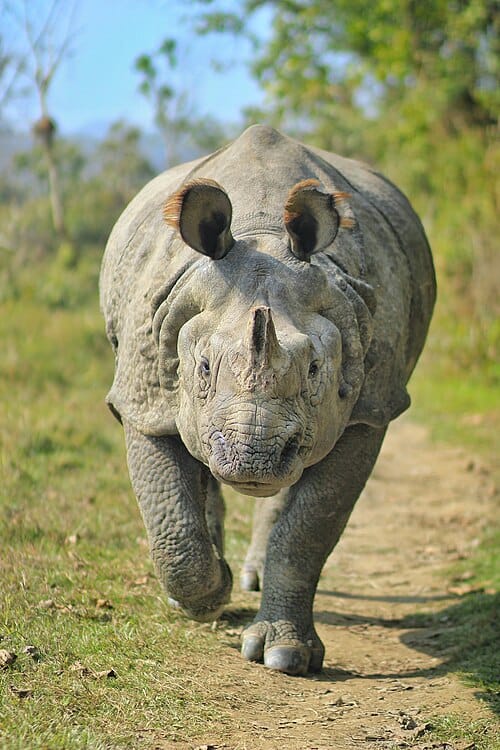
Kaziranga National Park is famous for one-horned rhinoceroses and open grassland safaris, while Manas National Park is known for its peaceful forests, rivers, and rare wildlife near the Bhutan border.
If you’re wondering Manas vs Kaziranga—which one should you visit? This detailed guide compares wildlife, safari experiences, accessibility, scenery, photography, budget, and travel style to help you choose the right destination.
| Feature | Kaziranga | Manas |
|---|---|---|
| Best For | Rhino sightings | Offbeat wildlife |
| Landscape | Grasslands & wetlands | Forests & rivers |
| Crowd Level | Moderate | Low |
| Safari Style | Easy wildlife viewing | Adventure experience |
Where Are Manas and Kaziranga Located?
Kaziranga National Park
Manas National Park
Manas vs Kaziranga Wildlife Comparison
Wildlife is the biggest reason people visit Assam.
Why Kaziranga Wins for Iconic Wildlife
Kaziranga protects the world’s largest population of the Great Indian One-Horned Rhinoceros, making it one of the best places on Earth to see this endangered species.
During a safari, you’re also likely to spot:
Asian elephants
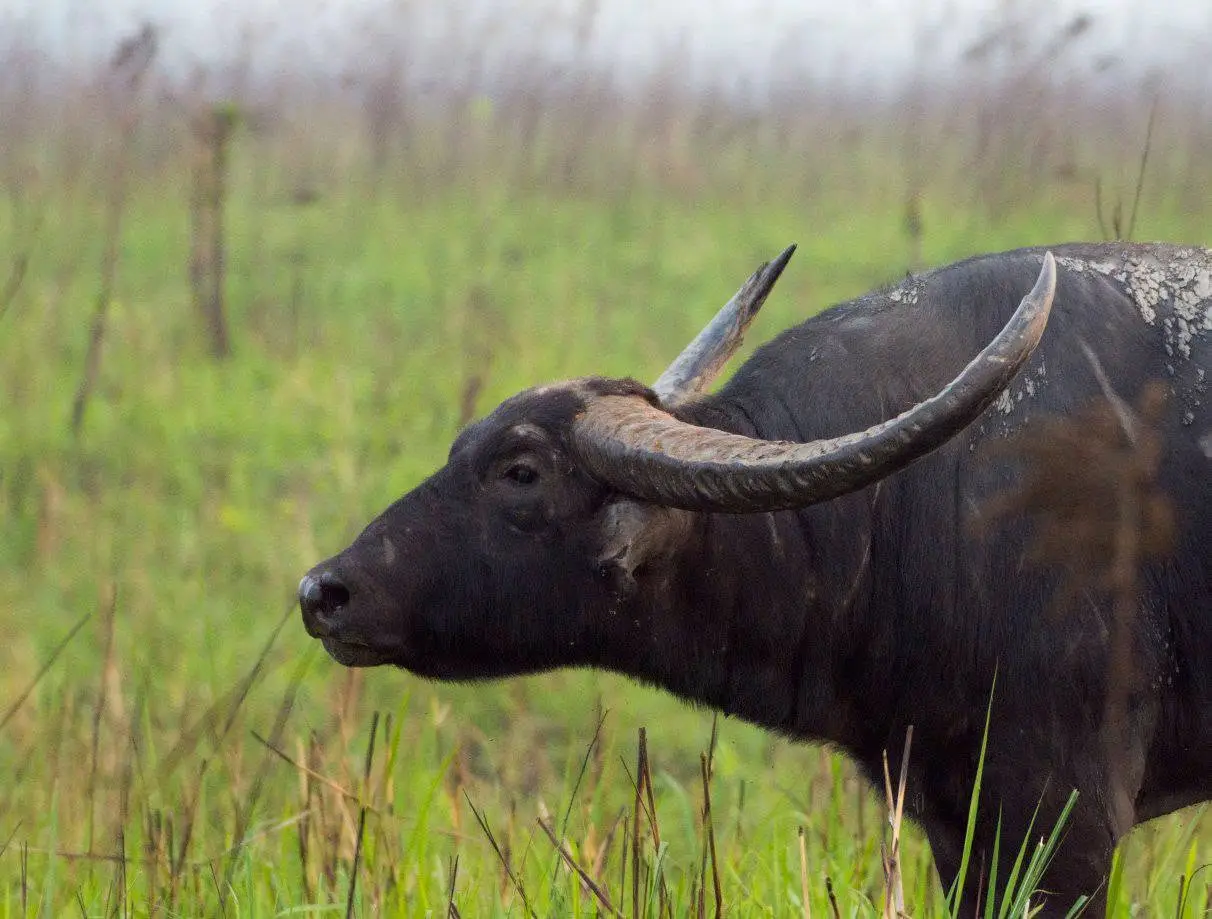
Wild water buffalo
Swamp deer
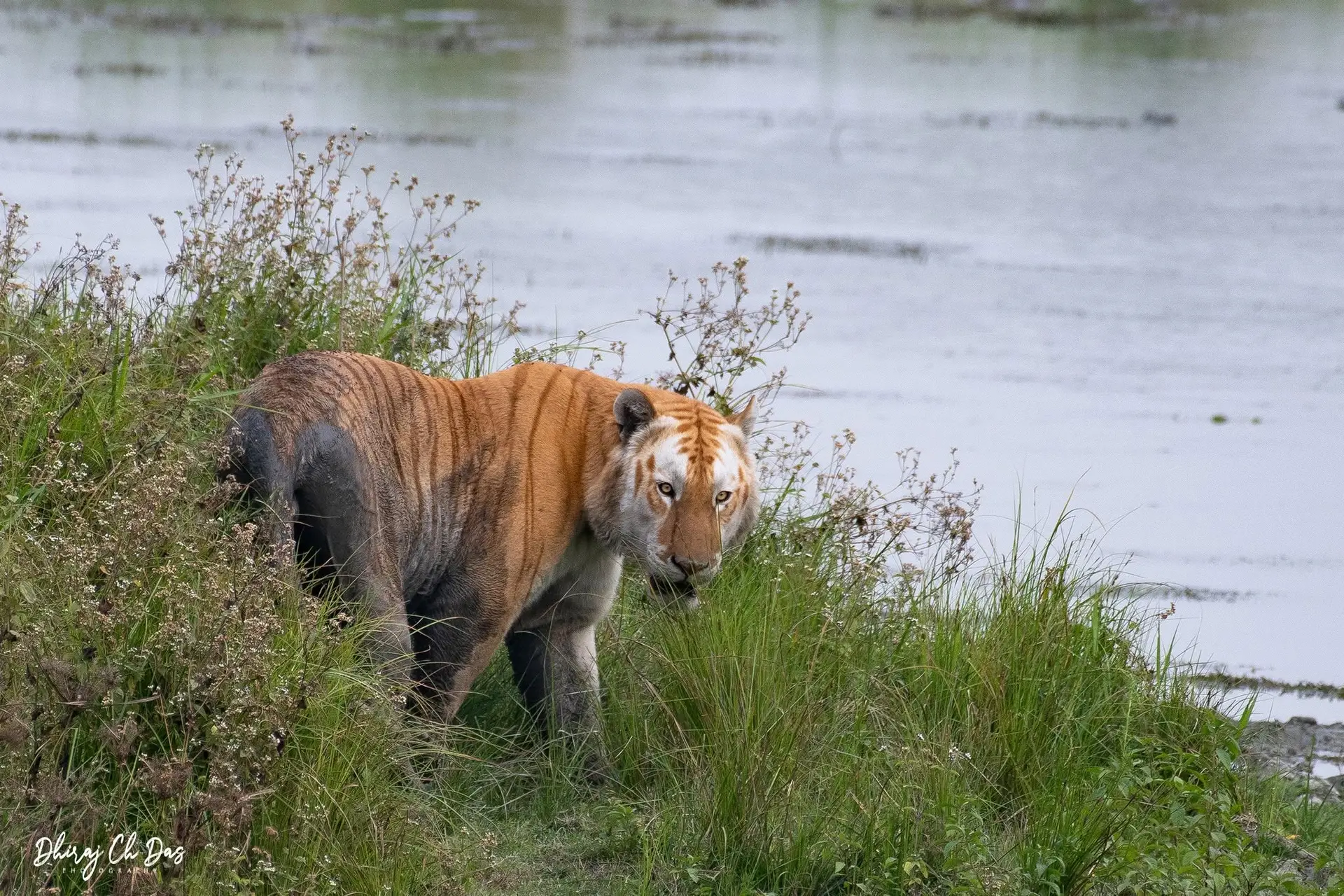
Bengal tigers
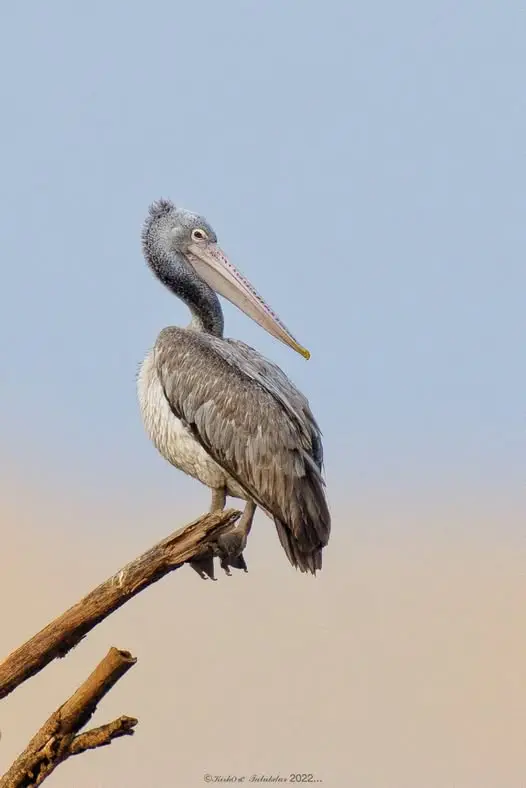
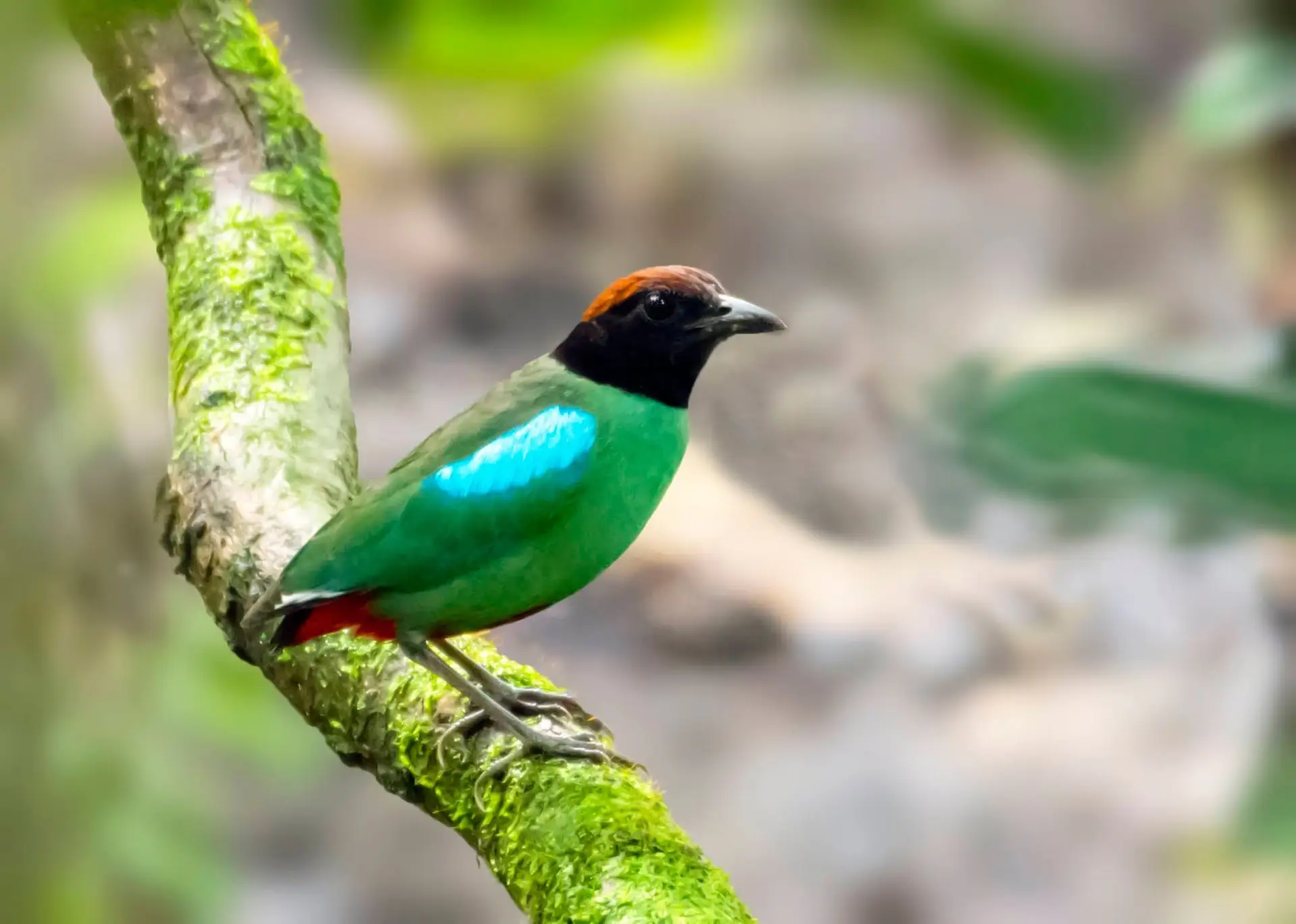
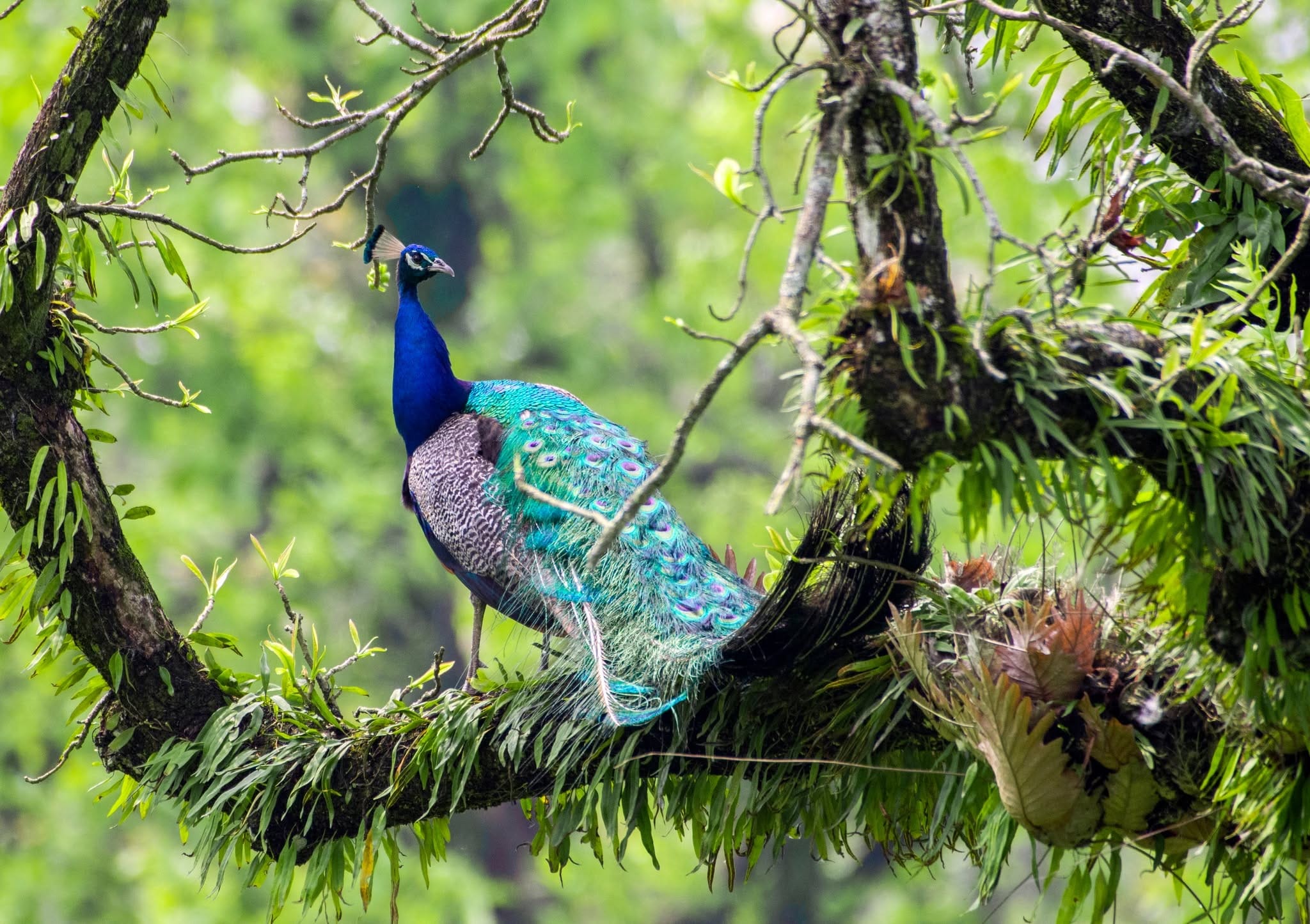
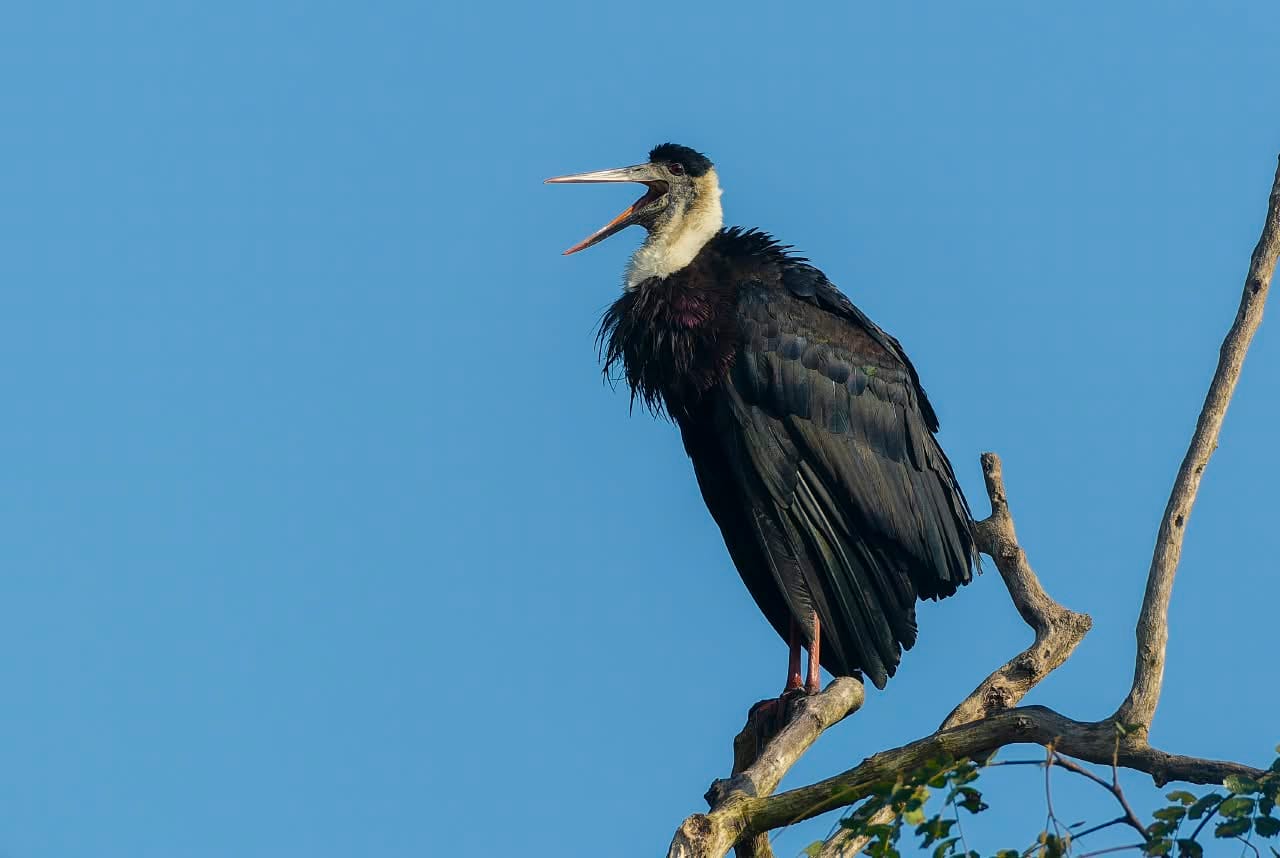
Hundreds of bird species
The open grasslands make wildlife sightings much easier than in dense forests.
Why Manas Wins for Rare Wildlife
Manas is less predictable—but that’s exactly what many wildlife lovers appreciate.
The park is famous for rare species such as:
Golden Langur
Pygmy Hog
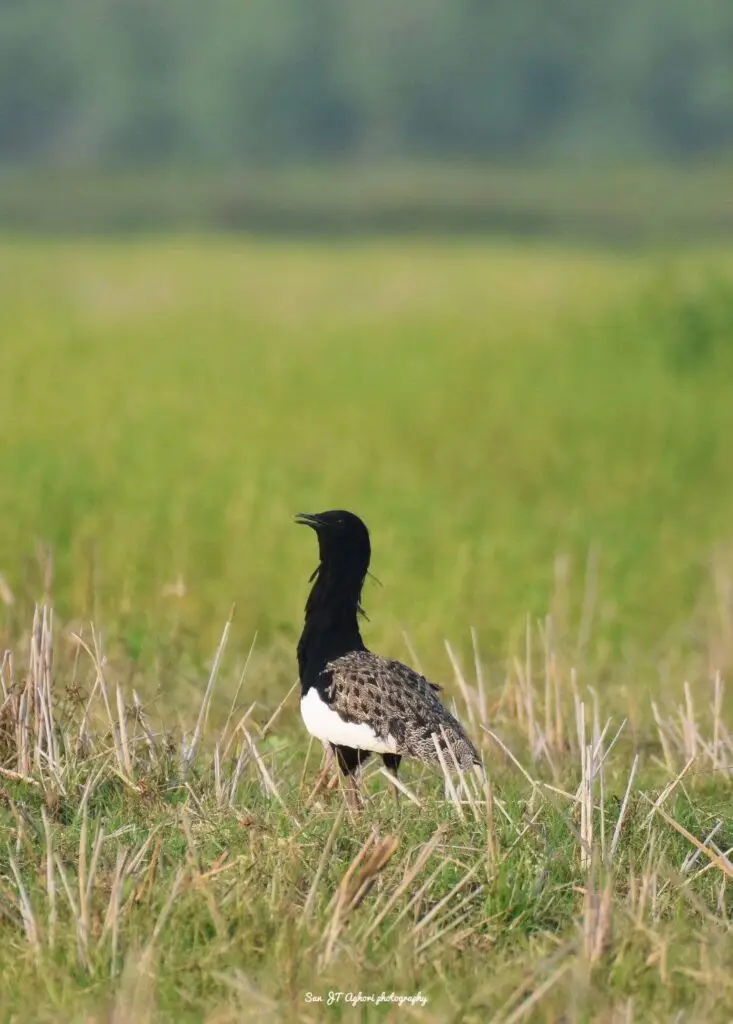
Bengal Florican
Clouded Leopard
Himalayan Black Bear
Tigers
Elephants
Because Manas combines forests, rivers, and Himalayan foothills, every safari feels different.
Wildlife Verdict
Choose Kaziranga for guaranteed rhino sightings.
Choose Manas for rare wildlife and untouched wilderness.
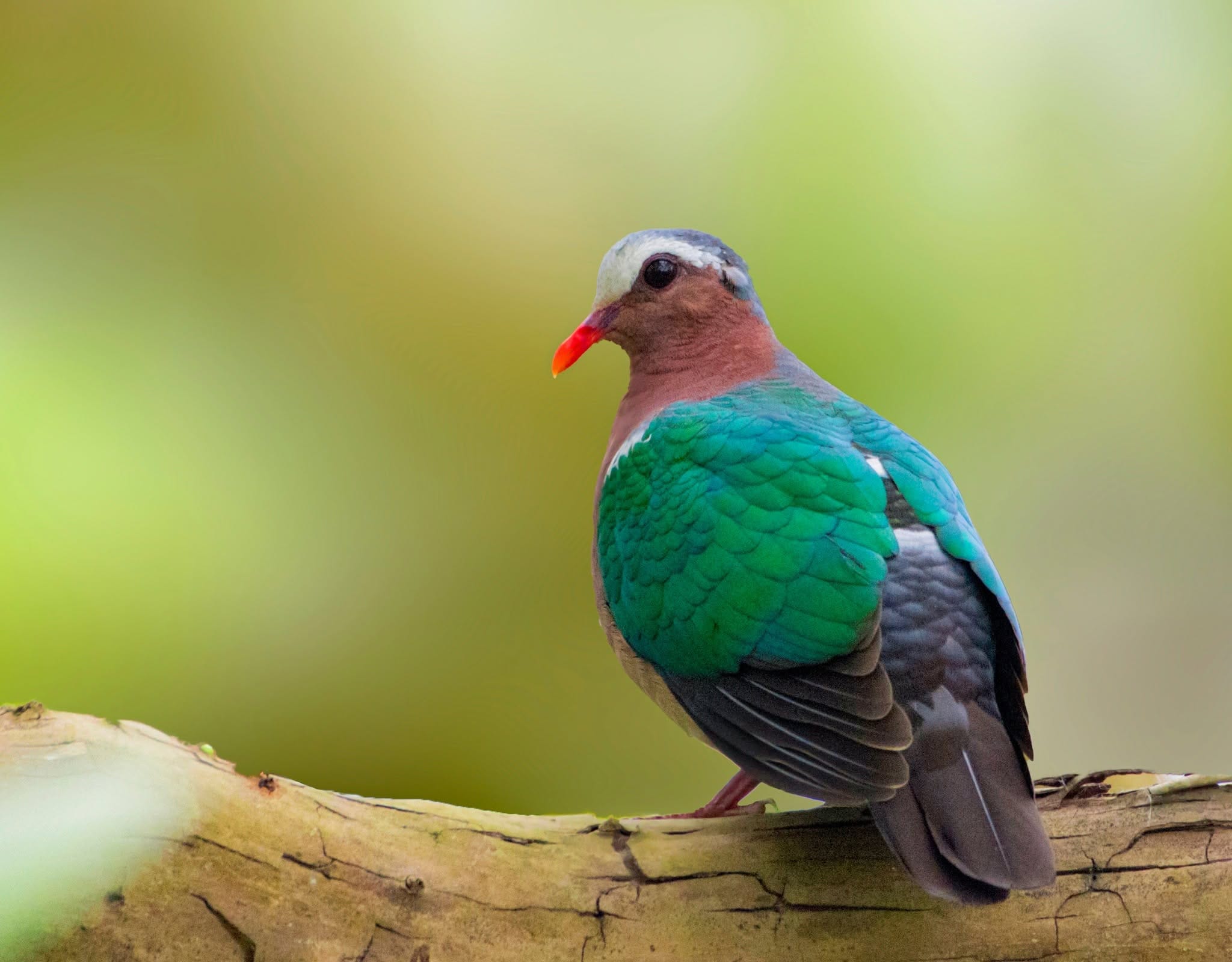
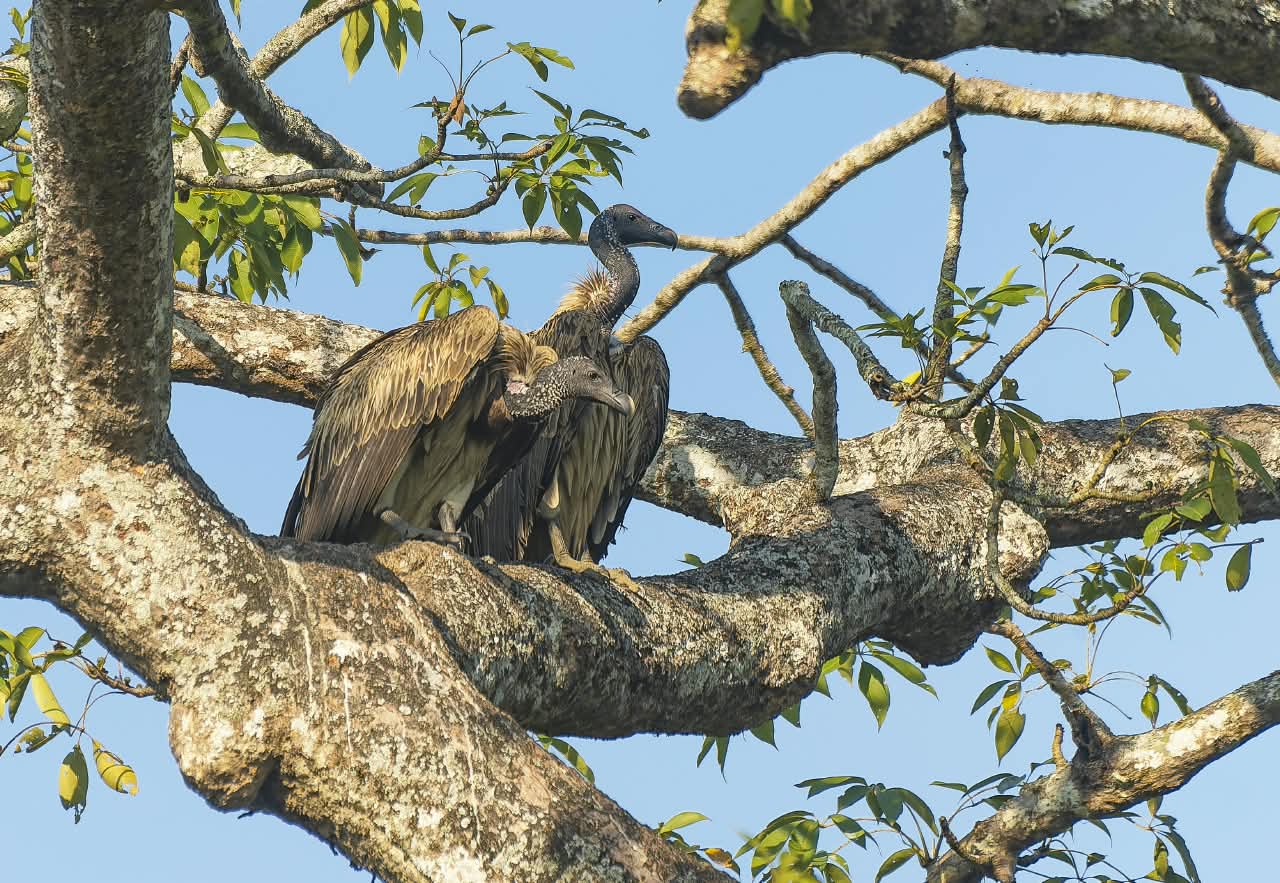
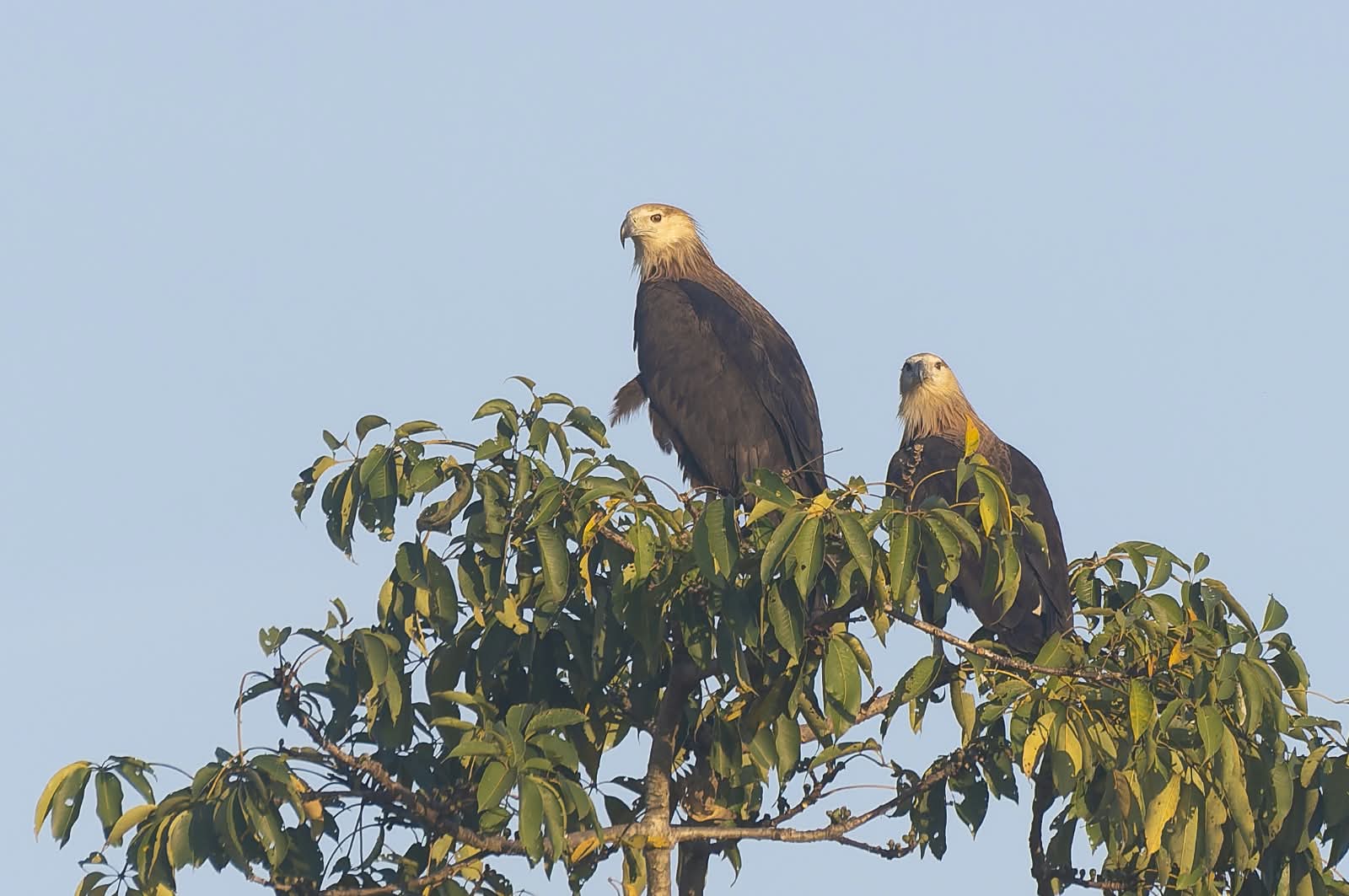
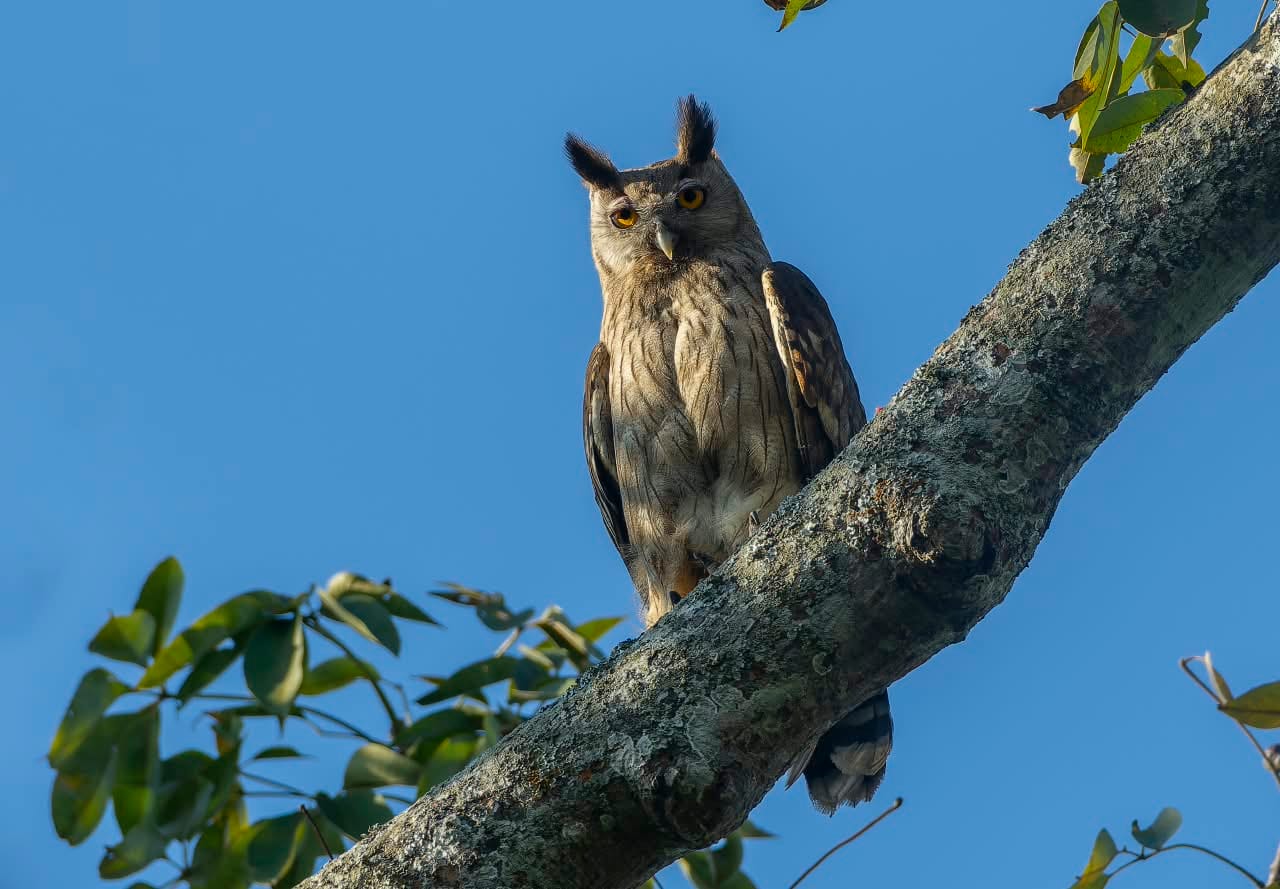
Manas vs Kaziranga Safari Experience
The safari experience is another major difference.
Kaziranga Safari
Kaziranga is designed for first-time wildlife travelers.
Available options include:
Jeep Safari
Elephant Safari (selected zones)
Multiple safari ranges
Experienced guides
The routes are well-organized, making the experience comfortable and photography-friendly.
Manas Safari
Manas feels more adventurous.
You’ll experience:
Quiet jeep safaris
Seasonal river rafting
Forest roads with fewer vehicles
A stronger feeling of exploring untouched nature
Instead of expecting constant animal sightings, you’re rewarded with peaceful wilderness.
Manas vs Kaziranga: Which Park Is More Beautiful?
Beauty depends on what kind of landscapes you enjoy.
Kaziranga
Expect:
Endless elephant grass
Wetlands
Brahmaputra floodplains
Wide-open sunrise views
Manas
Expect:
Dense forests
Crystal-clear rivers
Bhutan hills
Misty mornings
Many photographers describe Manas as more cinematic because of its changing scenery.
Best Time to Visit Manas vs Kaziranga
Both parks generally remain open between November and April, when weather conditions are pleasant and wildlife visibility improves.
| Month | Kaziranga | Manas |
|---|---|---|
| October | Good | Good |
| November | Excellent | Excellent |
| December | Excellent | Excellent |
| January | Excellent | Excellent |
| February | Excellent | Excellent |
| March | Very Good | Excellent |
| April | Good | Excellent |
| May | Moderately Good | Good |
Winter months offer the most comfortable safari experience.
Manas vs Kaziranga Accessibility
Getting to Kaziranga
4–5 hours from Guwahati
Excellent highways
Wide choice of hotels
Getting to Manas
Around 3 hours from Guwahati
Nearest railway station: Barpeta Road
Eco-lodges dominate accommodation
Kaziranga wins for convenience, while Manas wins for peaceful surroundings.
Manas vs Kaziranga Budget Comparison
| Expense | Kaziranga | Manas |
|---|---|---|
| Budget Stay | ₹1,500+ | ₹1,200+ |
| Mid-range | ₹3,000–6,000 | ₹2,000–5,000 |
| Safari Cost | Similar | Similar |
| Food | More restaurants | Mostly lodge dining |
Overall, both destinations are budget-friendly compared to many Indian wildlife parks.
Manas vs Kaziranga for Photography
Choose Kaziranga if you love:
Rhino portraits
Elephant herds
Sunrise safaris
Open landscapes
Choose Manas if you enjoy:
Forest photography
River landscapes
Bird photography
Misty wildlife scenes
Manas vs Kaziranga: Which One Should You Choose?
Choose Kaziranga if:
It’s your first Assam trip.
Rhinos are your priority.
You’re traveling with family.
You want easier logistics.
Choose Manas if:
You enjoy offbeat destinations.
You love birdwatching.
You prefer fewer crowds.
You enjoy adventurous safaris.
Can You Visit Both?
Absolutely.
A combined itinerary lets you experience two completely different sides of Assam.
Suggested 5-Day Wildlife Itinerary
Day 1: Arrive in Guwahati
Day 2: Travel to Manas and enjoy an evening safari
Day 3: Morning safari and drive toward Kaziranga
Day 4: Kaziranga Jeep Safari
Day 5: Return to Guwahati
Final Verdict on Manas vs Kaziranga
The Manas vs Kaziranga debate has no universal winner.
If you’re visiting Assam for the first time, Kaziranga National Park offers iconic rhino sightings and easier travel.
However, if you’re looking for peaceful forests, rivers, rare wildlife, and fewer tourists, Manas National Park provides a more immersive wilderness experience.
If time allows, visiting both creates the perfect Assam wildlife adventure because each park showcases a completely different ecosystem.
Verdict from author
As someone who grew up near Manas National Park and has been photographing its wilderness since 2014, my answer to the Manas vs Kaziranga debate is deeply personal.
If you’re coming to Assam hoping for guaranteed sightings of a particular animal, Manas is not the park for you.
But if you arrive with an open heart instead of a checklist, Manas will surprise you in ways no itinerary can predict.
Every visit feels like the jungle is writing a different story.
Unlike Kaziranga’s predictable grassland encounters, Manas rewards patience. Some mornings, the forest greets you with nothing more than birdsong and drifting mist. On another day, the same trail might reveal an elephant herd emerging from the trees or a rare bird perched where you least expect it.
That uncertainty is exactly what makes Manas feel alive.
The Magic Beyond the Border
For me, the biggest reason Manas National Park beats Kaziranga isn’t even inside India.
It’s the seamless connection with Royal Manas National Park in Bhutan.
Few wildlife destinations in India can claim that their forests continue naturally into another protected kingdom of wilderness. Crossing towards Panbang during winter feels almost surreal—the emerald river, the quiet mountains, and the untouched landscapes create an atmosphere that’s difficult to describe until you’ve stood there yourself.
It’s one of those places where the journey becomes more memorable than the destination.
A Park Built for Wildlife Dreamers
Manas has earned a reputation among wildlife enthusiasts for something few people outside the photography community know—it is one of Assam’s most talked-about places for Black Panther sightings. Interestingly, many of these memorable sightings have come from the Fatemabad Tea Garden, just outside the national park’s boundary, proving that wildlife rarely follows human-made borders.
The park is also one of India’s most important landscapes for the elusive Bengal Florican, a bird that birdwatchers travel across the country to see.
Over the years, Manas has surprised visitors with sightings of remarkable species, including the White-winged Wood Duck, Assam’s state bird, and even the sacred Black-necked Crane, a bird deeply respected in Buddhist culture.
These are the moments that make photographers wait for hours without complaint.
The Wild Side That Tourists Often Miss
Most visitors stick to Bansbari Range, simply because it’s the easiest to access.
But the real soul of Manas stretches far beyond that.
Panbari Range whispers through dense forests. Bhuyanpara Range opens into quieter grasslands where the crowds disappear. These lesser-explored corners remind you that a national park isn’t just about wildlife sightings—it’s about feeling small inside an ancient forest.
Even the conservation story continues to evolve. The park remains one of the last strongholds of the critically endangered Pygmy Hog, and recent relocation efforts have strengthened its role in protecting this remarkable species.
When Kaziranga Wins
I’ll admit it—if your dream photograph is a one-horned rhinoceros standing proudly in golden light, or if you’re chasing the perfect frame of a Royal Bengal Tiger, then Kaziranga National Park is the stronger choice.
Its open grasslands make mammal photography easier, and wildlife sightings are generally more consistent.
For photographers with limited time, that predictability can make all the difference.
But Manas Gives You Something Else
Kaziranga gives you photographs.
Manas gives you memories.
One teaches patience.
The other teaches wonder.
After more than a decade of returning to these forests with my camera, I’ve realized that the best photographs I’ve brought home weren’t always of rare animals—they were of mist hanging over the Manas River, sunlight filtering through ancient trees, and those quiet moments when the jungle felt like it had accepted my presence.
If you ask me today, after years of walking these trails since 2014, I’d still choose Manas.
Not because it promises the most sightings.
But because it never promises anything at all.
And somehow, that’s exactly why it keeps calling me back.
About the photographer

Dr. Rejaul Karim – Birding Expert at TripHubGo Wildlife Tours
Dr. Rejaul Karim is the official Birding Expert for TriphubGo Wildlife Tours, with an impressive record of 1,140+ bird species across India. His extensive field experience in birdwatching and wildlife exploration helps travelers discover rare species and enjoy authentic birding experiences on every TripHubGo wildlife tour.birding expeditions or helping wildlife photographers capture rare species, Dr. Karim’s guidance adds exceptional value to every TripHubGo wildlife experience.
Frequently Asked Questions
Is Manas better than Kaziranga?
Manas is better for travelers seeking a peaceful and offbeat wildlife experience, while Kaziranga is better for guaranteed rhino sightings.
Which park has more rhinos?
Kaziranga has the world’s largest population of the Great Indian One-Horned Rhinoceros.
Is Manas less crowded?
Yes. Manas generally receives fewer visitors, making safaris quieter.
Which park is better for birdwatching?
Manas is especially rewarding because of its diverse forest habitats and rare bird species.
What is the best month to visit?
December to April offers pleasant weather and excellent safari conditions in both parks.